
 EN
EN
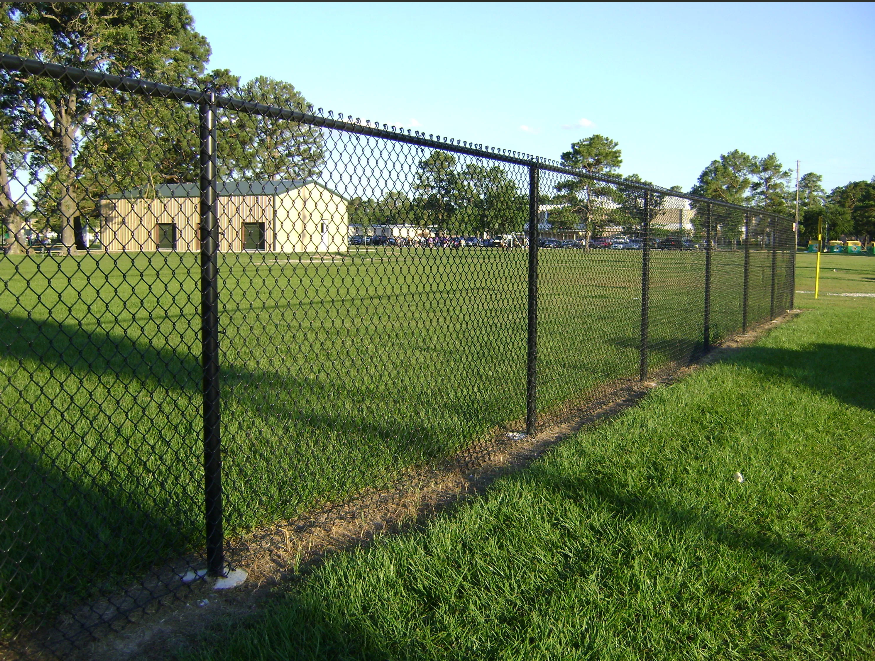
Chain Link Fence as a Physical Security Deterrent
Height and Strength: Making Intrusion Difficult
Chain link fences work pretty well at keeping people out mainly because they're tall and strong enough to stop most attempts at getting through. Most folks will find them in standard sizes like 4 feet, 6 feet, or 8 feet high. The bigger ones obviously give better protection against unwanted visitors. Try climbing over an 8 foot fence? Not easy at all. That's why many homeowners who really care about security go for the taller models when building their property boundaries. The steel used in these fences is galvanized which makes it tough stuff that doesn't bend or break easily under pressure from would-be intruders. Looking at real world data shows something interesting too. Properties with higher fences tend to have less trouble with break ins according to crime stats collected by local police departments across the country. Areas where these big fences are common just don't see as much vandalism either. So if security matters to someone, spending a bit extra on a taller chain link fence might actually pay off in peace of mind down the road.
Integration with Barbed Wire or Razor Accessories
Fences made with chain link material become much more secure when barbed wire or razor edges are added to them. These additions create another barrier that would stop most people from trying to climb over or cut through the fence. Security experts point out that businesses and factories that install these types of barriers see fewer incidents of people getting onto their property without permission. Before putting anything sharp on a fence though, property owners need to check what the local laws say about it. Some neighborhoods don't allow barbed wire because kids might get hurt playing near it, but many business districts do permit it since they deal with different security challenges. Always best to know exactly what's allowed where before making any changes to perimeter security.
Visibility as a Psychological Barrier to Trespassers
Chain link fences work as a deterrent simply because people can see them. Their open design lets property owners keep an eye on what's happening around their land, making it harder for anyone trying to sneak onto the property without being noticed. According to crime prevention theories like CPTED, visibility plays a big role in keeping bad things from happening. People tend to think twice about doing something wrong when they know someone might catch them in the act. Most security professionals will tell you this matters a lot too since studies show that visible boundaries actually cut down on trespassing problems quite a bit. So when looking at different ways to secure property, chain link isn't just about stopping people physically. It also creates that mental barrier that makes folks reconsider messing with what doesn't belong to them.
Galvanized Steel Resistance to Rust and Corrosion
Galvanizing chain link fences really helps protect them from rust and corrosion problems. The process basically coats steel with zinc, creating a barrier that stops moisture and oxygen from getting to the metal surface where rust starts. What this means for homeowners is longer lasting fences that hold up better no matter what kind of weather they face day after day. Most people know that properly galvanized fences will typically stand strong for around 20 years before showing serious signs of wear, especially when compared to regular untreated steel fences. This becomes even more important near coastlines or in areas with high humidity levels where regular steel would start corroding much faster. The zinc layer works like armor, keeping both water and air away from the actual steel underneath so the fence doesn't break down over time.
Impact Resistance for Long-Term Structural Integrity
Chain link fences stand out when it comes to handling impacts because they're built using strong materials. Most of them are constructed from galvanized steel wire, which gives them pretty good strength overall. They can take quite a beating before showing signs of wear and tear. When tested against different types of fencing materials, chain link consistently shows better results at taking in and spreading out impact forces, so things don't get damaged as easily. Property owners who live near busy roads or places that experience bad storms regularly find their chain link fences still standing after incidents that would wreck other kinds of barriers. This makes sense why so many people choose chain link when durability matters most.
Low-Maintenance Design for Consistent Protection
Chain link fences really shine when it comes to how little they need to stay in good shape, especially if we're talking about wooden or vinyl options instead. Wood fences demand constant attention with staining and sealing jobs, while chain link typically just needs occasional checks and small fixes here and there to keep working properly and look decent enough. The fact that these fences don't take much work means big money saved over years according to what many homeowners report plus some numbers floating around out there too. Most folks who know about this stuff suggest basic care routines like clearing away leaves and twigs from the mesh, plus looking at those tension wires once in a while. Doing these simple things keeps the fence doing its job as a security barrier without eating up too much time or pocketbook space.
Surveillance Advantages of Transparent Design
Unobstructed Sightlines for Property Monitoring
Chain link fences that let light through offer great visibility, which is why many people pick them when they want to keep an eye on their property. Solid walls block everything from view, but these see-through options give clear lines of sight all around the area. Security folks really appreciate this feature since it makes spotting trouble easier. With nothing blocking the way, guards can watch bigger sections at once without missing anything important. Most property owners seem to love how these fences work too. They get all the protection benefits while still being able to enjoy nice views and maintain the look of their land. For anyone serious about security, installing one of these transparent fence systems just makes good sense overall.
Compatibility with Security Cameras and Lighting
Clear chain link fencing actually makes security systems work better, especially when paired with cameras and lights around the property. The fact that these fences don't block sight lines means cameras get much better coverage without missing corners or hiding spots. Most security experts will tell homeowners to place their cameras at key points along transparent fencing where gaps might exist between structures. At night time, proper lighting installed along these fences creates a strong visual deterrent effect against intruders who want to stay hidden. Many commercial properties have found that combining standard surveillance equipment with good quality chain link fencing gives them far greater protection than either solution alone could offer. For businesses concerned about theft or vandalism risks, this kind of integrated approach represents smart money spent on long term property protection.
Balancing Visibility with Perimeter Control
Chain link fences manage to strike a good balance between letting people see what's going on and keeping unwanted folks out at the same time. The mesh design lets security personnel keep an eye on things without blocking their view, but it still stops most attempts at getting through without permission. Security consultants who work with fencing regularly point out that these fences work really well because they offer good visibility while maintaining solid protection against intrusions. We've seen plenty of chain link installations across different properties, from backyard homes to office complexes, where they handle both safety concerns and basic security needs right out of the box. These types of fences show how possible it is to get clear sight lines combined with real control over who comes in and goes out, making them pretty effective for securing any kind of property.
Customization for Enhanced Safety Applications
Privacy Slats for Restricted Visibility Areas
Adding privacy slats to chain link fences makes all the difference when people want to limit what others can see from outside their property. The slats just slot into place vertically along the existing fence line, creating a solid wall effect while still keeping the fence strong enough to last years. Some studies show that better privacy around buildings actually cuts down on criminal activity somewhere around 20% give or take depending on location factors. That's why so many homeowners living close to main roads or businesses situated next to highways install these slats. They report feeling much safer knowing neighbors or passersby cant peek into their yards or parking lots anymore. Plus, maintenance crews find them easier to work with compared to replacing entire fence sections for privacy reasons.
Anti-Climb Modifications for High-Risk Properties
Chain link fences on high risk properties really need those anti climb features if they want proper security. What works best? Things like slanted fence tops, razor wire additions, or just tighter mesh patterns that make climbing practically impossible. Most security experts will tell anyone running a facility that these upgrades are absolutely necessary, especially at places such as power plants, train stations, or government buildings where unauthorized access could be dangerous. We've seen plenty of cases where people tried to get through these fences only to give up when faced with the right modifications. Beyond keeping intruders out, these physical barriers do something important too they let everyone inside know that management takes safety seriously, which builds confidence among staff and visitors alike.
Graded Mesh Sizes for Specific Threat Prevention
Different mesh sizes in fencing play important parts when it comes to keeping threats out. The smaller the mesh openings, the harder time anyone trying to get in has finding purchase or cutting through the material. People living near places where wild animals are common often install these graded meshes too. They stop critters like raccoons and possums from getting inside without making the fence completely solid, so air still moves freely around the area. Most folks who work with security systems will tell homeowners to pick mesh sizes after looking at what specific risks they face. A half inch mesh works pretty well for stopping both people who want to sneak in and those pesky little animals that just wander into yards out of curiosity. This kind of setup keeps properties safe without going overboard on unnecessary features.
Professional Installation for Optimal Security Performance
Proper Anchoring to Prevent Undermining
Getting the anchoring right matters a lot when installing chain link fences if we want good security and stop people breaking through. After all, these anchors hold everything together so the whole fence stays put instead of getting knocked down or tampered with easily. Most pros suggest different methods based on what kind of ground we're dealing with. For soft spots, digging concrete bases works best while harder ground needs posts driven deeper into the earth. Some research out there shows that proper anchoring can cut down security issues by around 30 percent according to one journal article I read recently about construction tech improvements.
Secure Gate Hardware Integration
Putting in good quality gate hardware makes all the difference when it comes to keeping a fence secure. Strong locks and solid hinges stop people from getting in where they shouldn't, making sure gates are just as strong as the rest of the fence line. Security experts recommend looking for hardware rated high on security scales, especially ones that resist drilling or picking attempts. Studies show homes with proper gate security experience about 40 percent fewer break ins than places with weak locks. When planning out fencing solutions, spending money on decent gate hardware should definitely be part of the equation.
Slope Adaptation for Full Perimeter Coverage
Putting up chain link fences on sloped ground comes with its own headaches, and getting them right means using special methods to keep everything covered around the property. Most folks go for either step installations where sections are built at different levels or contouring techniques that let the fence actually hug the hillside naturally while still keeping things secure. We've seen this work well in practice too many times to count really. When done properly, these adapted fences stop people from sneaking in through any weak spots, even when the land changes elevation constantly. The bottom line is simple though complicated sounding stuff aside nobody wants their fence looking crooked or leaving gaps just because there's a hill nearby. Getting it installed correctly makes all the difference for long term protection no matter how uneven the ground gets.
Table of Contents
- Chain Link Fence as a Physical Security Deterrent
- Galvanized Steel Resistance to Rust and Corrosion
- Impact Resistance for Long-Term Structural Integrity
- Low-Maintenance Design for Consistent Protection
- Surveillance Advantages of Transparent Design
- Customization for Enhanced Safety Applications
- Professional Installation for Optimal Security Performance