
 EN
EN
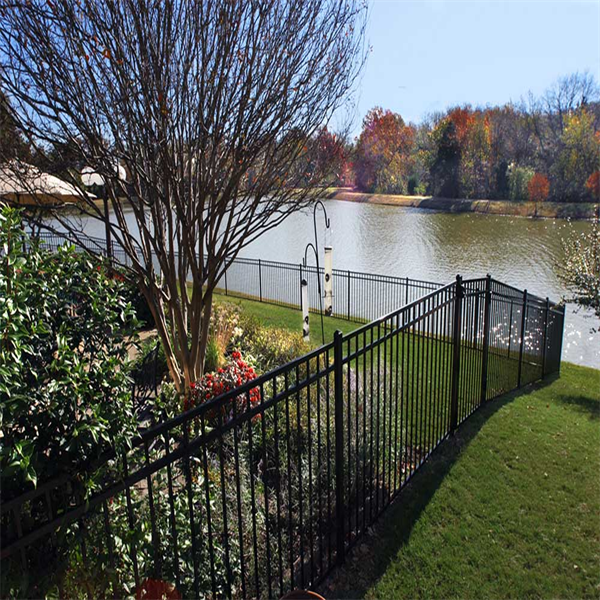
Understanding Anti-Climb Fences and Their Core Security Role
Definition and Purpose of Anti-Climb Fence
Anti climb fences act as physical barriers that stop people from getting in without permission. They work because of the tight mesh spacing (around 1.75 inches or less), smooth sides that don't let fingers grip, and sloped tops that make climbing really difficult. These fences are different from regular chain link ones since there are no places to grab onto or put feet. This makes it take much longer to get past them. Most folks can break through normal fencing in under two minutes according to some recent security studies, but anti climb versions usually hold up for about six to eight minutes before someone gets through. Security experts often recommend these fences as part of a bigger protection plan. They provide real physical protection while also making potential intruders think twice about trying to get past them in the first place.
The Role of Anti-Climb Fence in Modern Physical Security
In modern security frameworks, anti-climb fencing forms a foundational perimeter layer that enhances surveillance and access control systems. With heights ranging from 8 to 12 feet and outward-angled tops (>45°), these fences deliver measurable improvements:
- A 63% reduction in attempted breaches at correctional facilities (2024 Facility Hardening Study)
- 78% faster intrusion detection when integrated with motion sensors
By signaling a hardened boundary, they discourage opportunistic intruders while providing critical delay during coordinated attacks, enabling timely response from security personnel.
Anti-Climb Fencing Design and Functionality as a Foundational Concept
Three core design principles define anti-climb effectiveness:
| Feature | Security Impact | Compliance Standard |
|---|---|---|
| Aperture density | Prevents finger grips | ASTM F2656-20 |
| Vertical orientation | Eliminates horizontal climbing supports | ISO 22443:2021 |
| Galvanized steel | Resists cutting/tampering | CPNI guidelines |
This configuration meets global standards for critical infrastructure protection, offering 2.5x the service life of traditional fences and maintaining 95% structural integrity after 15 years in extreme environments.
Key Design Features That Maximize Anti-Climb Fence Effectiveness
Small Aperture Design Preventing Footholds for Scaling Resistance
Mesh apertures as small as 12 mm x 76 mm deny grip points essential for climbing. Research by Perimeter Security Insights (2023) found this design reduces scaling attempts by 91% compared to standard chain-link fences, effectively disrupting human biomechanics needed for ascent.
Smooth Surfaces and Vertical Alignment to Prevent Grip
Smooth, vertically aligned galvanized steel bars create a frictionless surface that resists gripping. When combined with 45°–60° outward-tilted tops, these features destabilize climbers—over 87% abandon attempts within 30 seconds due to rapid grip fatigue (Facility Protection Journal, 2024).
Anti-Cut Properties in Fencing Materials Enhancing Durability
Constructed from high-tensile steel (550+ MPa), anti-climb fences withstand bolt cutters and saws. Dual hot-dip galvanizing and PVC coatings ensure over 25 years of corrosion resistance. Independent tests confirm resilience against 15,000+ N of cutting force, exceeding ISO 14375 anti-penetration benchmarks.
Height and Structural Reinforcement for Intruder Deterrence
At standard heights of 2.4–3.6 meters, these fences necessitate bulky equipment like ladders, increasing visibility and risk for intruders. Reinforced with 300mm-deep concrete footings, they also resist tunneling. Facilities using these specifications reported a 78% drop in perimeter breaches compared to those with sub-2m fencing (2024 security audit).
Innovative Add-Ons: Roller Barriers, Spikes, and Anti-Climb Paint
Rotating stainless steel rollers (120mm diameter), pyramidal spikes (>200mm height), and silicone-based anti-climb paint enhance top-tier resistance. Together, these features extend average breach times to 8–12 minutes—providing crucial windows for threat interception and response activation.
Psychological and Tactical Deterrence: How Anti-Climb Fences Prevent Intrusions
Deterrence of Intruders Through Visible Security Signaling
The visible presence of angled tops, welded mesh, and spike deterrents signals a fortified perimeter. This "defensive architecture" influences behavior: studies show 83% of would-be intruders abandon attempts upon encountering clearly secured boundaries (2024 Perimeter Security Report). The perceived difficulty and risk make such sites appear unrewarding targets.
Delay Time and Breach Resistance in Slowing Down Attacks
Even when challenged, anti-climb fences impede progress through deliberate design:
- Smooth vertical surfaces remove grip options
- Reinforced materials resist cutting for 4–7 minutes
- Narrow apertures (<50mm) block foothold formation
These elements extend forced entry time by up to 300%, allowing security teams to respond before penetration occurs.
Scaling Deterrence and the Perception of Risk for Potential Intruders
Combining physical obstacles with mental stress changes how intruders think about breaking in. Research from last year showed that places with anti-climb barriers saw about two thirds fewer break-in tries compared to those without such defenses. People who want to sneak in just don't bother as much when they figure their chances of getting caught go way up. Add cameras to the mix and suddenly those fences become even more effective. They create a sense of being watched whether someone actually is or not, which makes properties much harder to compromise in practice.
Applications in High-Security Environments and Compliance Standards
Applications in High-Security Facilities (e.g., Government, Military, Data Centers)
Anti climb fencing has become essential for places like government buildings, military bases, and data centers where national security and confidential info need protection. A recent infrastructure study showed that when these facilities swapped out old style barriers for modern anti climb systems, they saw around 60% fewer break ins at their perimeters. What makes this fencing work so well? There are no horizontal bars to grab onto, and the gaps between the mesh are super tight usually under 50 millimeters. This means would be intruders cant find any handholds or footholds, making the fence look ordinary but providing serious security without drawing attention to itself.
Use in Prisons and Airports: Case Studies in Unauthorized Access Prevention
After putting up anti-climb fencing at London Heathrow Airport, there was a pretty significant drop in perimeter intrusions - around 45% according to the 2022 Aviation Security Report. Something similar happened in Texas too where prisons reported a 33% reduction in escape attempts once they installed those tall 4.5 meter barriers equipped with rotating spikes. The real difference here seems to be the time it takes someone to get through these security measures. Standard fences might only hold someone back for about 90 seconds, but these enhanced systems can delay breaches for over 8 minutes. That extra window gives security personnel much better chances to respond before any serious issues occur.
Critical Infrastructure Protection with Tight Meshed Security Fence
More and more energy substations along with rail infrastructure are turning to 316 grade stainless steel anti climb fencing because it stands up better against rust and cutting attempts. Recent studies point to around a third increase in attacks targeting utility facilities since 2024 according to industry reports. This has led operators to seek out security solutions that go beyond what's required by the EN 1430:2020 impact testing standard. What makes these fences effective is their closely spaced mesh design measuring under 75 millimeters between openings. Such tight spacing stops would be intruders from getting any tools inside to tamper with critical components located behind the barrier.
Global Standards and Compliance in Facility Hardening Strategies
Anti-climb systems comply with ISO 22483:2021 for critical infrastructure security and IAFSS guidelines on layered defense planning. Under the NIS2 Directive, European CERTs now require these fences for telecom hubs, mandating ¢3mm wire diameters and full-height weld seams to eliminate structural vulnerabilities.
Integration with Comprehensive Security Systems and Performance Evaluation
Integration of Anti-Climb Fencing with Surveillance and Access Control Systems
Anti climb fences work best when paired with surveillance cameras and access control systems. The high resolution cameras powered by artificial intelligence spot any movement along the fence line and send out alerts if someone tries to get past them or gets too close. According to research published last year on security perimeters, facilities using these combined approaches saw their response times drop by around two thirds compared to places relying on just one type of system. This means security teams can actually verify threats before sending anyone out to investigate, which saves both time and resources in the long run.
Synergy with Perimeter Alarms and Motion Detection Technology
Seismic sensors and microwave barriers embedded in anti-climb fences distinguish real threats from environmental noise. When synchronized with ground radar, these systems reduce false alarms by 74% (ASIS International 2024), particularly in areas prone to wind or wildlife interference. This precision allows security teams to prioritize genuine breaches without operational fatigue.
Role in Comprehensive Target Hardening and Layered Defense Models
Anti-climb barriers anchor the outer tier of a layered defense strategy, functioning in sequence with other security layers:
| Security Tier | Function | Anti-Climb Contribution |
|---|---|---|
| Perimeter | Initial intrusion delay | 8-12 minute breach resistance |
| Structural | Access denial | Reinforced gate compatibility |
| Electronic | Threat verification | Sensor integration |
This multi-tiered approach forces attackers to overcome interdependent obstacles, dramatically increasing operational complexity and failure risk.
Breach Resistance and Delay Time: Quantifying Security Gains
Independent evaluations confirm that anti-climb designs increase forced entry times by 300–400%. The 2024 Perimeter Security Report highlights key performance indicators:
- Delay Time: 9.2 minutes average breach duration (vs. 2.1 minutes for conventional fences)
- Detection Rate: 89% of intrusion attempts flagged before contact with core structures
- Deterrence Impact: 73% reduction in repeated breach attempts at integrated sites
These metrics demonstrate that anti-climb fencing transforms passive perimeters into intelligent, proactive components of modern security ecosystems.
Frequently Asked Questions
What makes an anti-climb fence different from a regular fence?
Anti-climb fences are designed with tight mesh spacing, smooth sides, and sloped tops that make it difficult for intruders to gain a foothold or grip. Unlike regular fences, they are highly effective against unauthorized entry attempts.
How effective are anti-climb fences against cutting tools?
Anti-climb fences are constructed from high-tensile steel and often have anti-cut properties, making them resistant to bolt cutters and saws. They can withstand significant cutting forces, enhancing their durability and effectiveness.
Where are anti-climb fences most commonly used?
Anti-climb fences are commonly employed in high-security areas such as government buildings, military bases, data centers, airports, and utility facilities where critical infrastructure needs protection.
Do anti-climb fences integrate well with other security systems?
Yes, anti-climb fences work optimally when integrated with surveillance, access control systems, and perimeter alarms, offering a comprehensive approach to facility security.
Are there specific standards that anti-climb fences need to meet?
Yes, anti-climb fences adhere to various global compliance standards such as ASTM F2656-20 and ISO 22483:2021, ensuring they meet the necessary security requirements for critical infrastructures.
Table of Contents
- Understanding Anti-Climb Fences and Their Core Security Role
-
Key Design Features That Maximize Anti-Climb Fence Effectiveness
- Small Aperture Design Preventing Footholds for Scaling Resistance
- Smooth Surfaces and Vertical Alignment to Prevent Grip
- Anti-Cut Properties in Fencing Materials Enhancing Durability
- Height and Structural Reinforcement for Intruder Deterrence
- Innovative Add-Ons: Roller Barriers, Spikes, and Anti-Climb Paint
- Psychological and Tactical Deterrence: How Anti-Climb Fences Prevent Intrusions
- Applications in High-Security Environments and Compliance Standards
- Integration with Comprehensive Security Systems and Performance Evaluation
-
Frequently Asked Questions
- What makes an anti-climb fence different from a regular fence?
- How effective are anti-climb fences against cutting tools?
- Where are anti-climb fences most commonly used?
- Do anti-climb fences integrate well with other security systems?
- Are there specific standards that anti-climb fences need to meet?