
 EN
EN
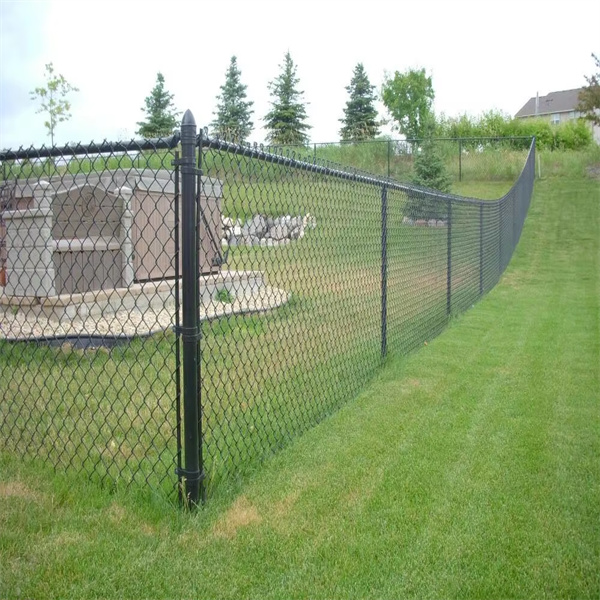
Core Differences Between Galvanized and PVC Coated Chain Link Fences
Choosing between galvanized and PVC coated chain link fences hinges on differences in material composition, structural properties, and performance characteristics. These two fencing options employ distinct protective layers to combat corrosion and wear, making them suited for specific applications. Below, we break down their core distinctions.
What Is a Galvanized Chain Link Fence?
Galvanized chain link fences are made from steel wire dipped in molten zinc, creating that familiar gray mesh we see everywhere. The zinc coating acts as protection against rust because it corrodes first instead of letting the steel underneath get damaged. Industry data suggests these fences keep around 90% of their protective zinc coating even after two decades in average weather conditions, which means property owners don't have to worry much about upkeep except maybe checking for damage every now and then. Most people install them in places like warehouses or construction sites where looking good isn't really the priority compared to keeping things secure and durable over time.
What Is a PVC/Vinyl-Coated Chain Link Fence?
Chain link fences with PVC coating actually have a steel core that's been galvanized first, then covered with this bonded vinyl stuff. What makes these fences stand out is that plastic coating which acts as protection from both moisture and those harmful UV rays from the sun. Plus it lets people choose different colors when they install them. Most come in black, green, or brown shades that really match well with homes and gardens. Another nice thing about the vinyl covering is how it smooths out those pointy edges on the fence posts. This makes all the difference in places where lots of people walk around, especially near playgrounds where kids might bump into things accidentally.
Material and Structural Comparison of Both Chain Link Fence Types
| Attribute | Galvanized Fence | PVC Coated Fence |
|---|---|---|
| Protection | Zinc sacrificially corrodes | Vinyl blocks moisture/UV |
| Weight | Lighter (no added layers) | 10–15% heavier |
| Maintenance | Low (self-healing zinc) | Moderate (vinyl can chip/crack) |
Galvanized fences prioritize structural integrity and cost-efficiency, while PVC coated options emphasize aesthetics and enhanced environmental resistance. The zinc in galvanized fences gradually erodes to protect the steel, whereas PVC creates a fixed physical barrier that wears down only at damaged points.
Durability, Corrosion Resistance, and Weather Performance
Long-Term Durability: Galvanized vs PVC Coated Chain Link Fence Strength
The galvanized chain link fence gets its strength from how zinc bonds with steel at the molecular level, giving it roughly twice to three times more structural strength compared to those plastic-coated options when weight matters. According to industry research, these galvanized fences can handle anywhere from 4,500 to 6,200 pounds per square inch before showing any signs of bending or breaking, while the PVC coated ones start to fail around 2,100 to 3,800 psi. That kind of durability really shines in places where strong winds are common or where the fence needs to stop people from trying to climb over or cut through it for security reasons.
Rust Protection: Zinc's Self-Healing Properties vs PVC's Barrier Defense
Galvanized coatings work through what's called a sacrificial anode mechanism, which basically means the zinc will corrode first before the underlying steel does. This helps protect areas where there are scratches or cuts in the coating since the zinc continues to shield those spots even when damaged. On the other hand, PVC coatings just create a solid barrier against corrosion, but this barrier can get penetrated over time. When we look at actual test results from salt spray testing, galvanized fences tend to last way longer before showing signs of red rust formation. These tests show around 5,000 hours or more for galvanized options versus only about 1,200 to 1,800 hours for those with PVC coatings according to data published by Metal Building Outfitters back in 2023.
UV and Weather Resistance in Harsh Environments
PVC coatings do protect against UV rays at first glance, but they start showing their age pretty quickly when left in the sun for extended periods. The shine tends to fade year after year, and those tiny cracks begin to appear around the seventh or tenth year mark. Research shows pigmented vinyl actually loses about 12 to 15 percent of its original gloss each year, which isn't great news for anyone wanting something that lasts. Galvanized coatings tell a different story altogether. These bad boys handle temperature extremes from as cold as -40 degrees Fahrenheit all the way up to 120 without breaking a sweat. A recent report by Alpine Advanced Materials back in 2022 revealed some eye-opening numbers too. Their findings indicated that PVC coated fences needed nearly double the maintenance compared to galvanized ones in desert regions after just ten years out there battling the elements.
Real-World Performance: Coastal, Industrial, and Humid Climate Data
In coastal installations, galvanized chain link fences demonstrate 25% longer service life than PVC coated alternatives according to corrosion resistance studies. Industrial settings show:
| Environment | Galvanized Lifespan | PVC Coated Lifespan |
|---|---|---|
| Coastal (0.5mi from ocean) | 28–32 years | 18–22 years |
| Heavy Industrial | 25–30 years | 12–15 years |
| High Humidity | 30+ years | 20–24 years |
Data confirms zinc's electrochemical protection outperforms polymer barriers in moisture-rich environments (Metal Building Outfitters 2023).
Lifespan and Long-Term Value of Chain Link Fence Options
Average Service Life: 20–30 Years for Galvanized vs 15–25 for PVC Coated
Galvanized chain link fences typically outlast PVC-coated options, offering 20–30 years of service compared to 15–25 years for vinyl-coated variants. This difference stems from galvanized steel's zinc layer, which actively resists corrosion even when scratched. PVC coatings, while effective against moisture, degrade faster under UV exposure and physical wear.
Lifecycle Cost Analysis Over 20 Years
Although galvanized fences cost 10–15% more upfront ($12–$18 per linear foot vs. $10–$15 for PVC), their extended lifespan reduces long-term expenses. For example, a 200-foot galvanized fence costs $2,400–$3,600 initially but avoids replacement costs for 25+ years. PVC-coated fences often require recoating or panel replacements every 8–12 years in high-sunlight regions, adding $800–$1,200 per service.
Industry analysis shows initial costs represent just 20–30% of total ownership expenses, making lifespan the critical value driver. While PVC-coated fences last 15–25 years with moderate UV exposure, hot-dip galvanized systems often exceed 30 years in industrial settings—a 40–60% longer service life that offsets higher upfront investment through reduced replacement frequency.
Factors Influencing Longevity: Installation, Environment, and Maintenance
Three key factors determine a chain link fence's lifespan:
- Installation quality: Improper tensioning accelerates sagging and mesh fatigue.
- Environmental stressors: Coastal saltwater reduces galvanized fencing's lifespan by 30–40%, while PVC coatings crack faster in sub-freezing temperatures.
- Maintenance practices: Annual inspections and prompt repairs of damaged coatings prevent 85% of premature failures.
A 2024 industry Fence Durability Report found galvanized fences in humid climates lasted 22 years with basic maintenance, versus 18 years for PVC-coated equivalents.
Cost Comparison: Initial Investment vs Total Ownership Expenses
Upfront Material and Installation Costs per Linear Foot
When it comes to initial costs, galvanized chain link fences generally run about 15 to 25 percent cheaper than their PVC coated counterparts because they're manufactured through simpler processes. The basic galvanized fencing usually falls somewhere between eight and twelve dollars per linear foot when installed, whereas those fancy PVC coated systems can set folks back anywhere from twelve to eighteen dollars per foot. And let's not forget that custom colors for PVC coatings will tack on another ten to fifteen percent to what we pay for materials alone. Keep in mind though, these numbers don't factor in all the extra work needed for preparing uneven ground or dealing with difficult access points that often come up in larger commercial installations.
Labor Considerations and Long-Term Repair Expenses
Both fence types require similar installation labor, but PVC-coated systems demand precise UV-protected fasteners (adding 5–8% to labor costs). Post-installation, galvanized fences incur $0.25–$0.50/ft annual maintenance for rust removal and zinc touch-ups in corrosive environments. PVC coatings eliminate rust repairs but require color fading inspections every 3–5 years.
Evaluating Value: Higher Upfront Cost vs Longer Lifespan
While PVC-coated fences have lower initial prices in some markets, their shorter lifespan increases long-term replacement costs. Hot-dip galvanized systems frequently exceed 30 years of service in industrial applications—offering a 40–60% longer lifespan that significantly reduces total ownership costs despite marginally higher initial pricing.
Aesthetic Appeal and Best Applications for Each Chain Link Fence Type
Visual Options: Color and Design Flexibility of PVC Coated Fences
Chain link fences with PVC coating give homeowners way more options when it comes to looks. They come in colors such as black, green, and brown which actually work pretty well in both neighborhoods and places where there's landscaping going on. The big difference from regular galvanized steel is obvious right away since those metal fences just look too industrial. With the vinyl covering, people can pick something that matches their house style or fits better with whatever trees and plants are around. A few companies have taken this further by creating special textures that look kind of like wood or real stone. This opens up all sorts of creative choices, especially useful for schools wanting safe playground boundaries or businesses looking to upgrade their outdoor spaces without breaking the bank.
Ideal Uses for Galvanized Fences: Warehouses, Airports, and Security Perimeters
Galvanized chain link fences are tough cookies when it comes to security needs in industrial areas and places where safety matters most. The zinc layer on these fences stops rust from forming, which is why they work so well near saltwater environments or around chemical plants where regular steel would degrade fast. According to a report from the National Fencing Association back in 2022, almost all major airports (around 92%) have opted for galvanized fencing around their perimeters. Airports love this stuff because it can take a beating without falling apart and doesn't need constant maintenance like other fence types do.
Best Applications for PVC Coated Fences: Schools, Parks, and Residential Areas
Family neighborhoods are turning to PVC coated fencing because it offers better safety and looks nicer than other options. The smooth vinyl doesn't catch on clothes or scratch kids playing around, plus these fences keep their color much longer than wood ones do, so playgrounds and HOA areas stay attractive for about a decade or more without looking worn out. Many public schools have gone with dark green versions lately, actually accounting for roughly 42 percent of all new fence installations last year according to recent data. Schools seem to like how the dark green hides graffiti better and matches well with sports fields, making the whole campus look more cohesive despite budget constraints.
Maintenance Requirements: Cleaning, Inspections, and Damage Repair
| Task | Galvanized Fence | PVC Coated Fence |
|---|---|---|
| Cleaning | Annual rinse with garden hose | Bi-annual soap wash |
| Rust Prevention | Inspect zinc layer every 3 years | Not applicable |
| Weather Damage | Patch small rust spots promptly | Replace cracked PVC sections |
| Cost per Repair | $20–$80 (avg.) | $50–$150 (avg.) |
Galvanized systems require minimal intervention beyond rinsing salt deposits or industrial residues. PVC coated fences demand more frequent cleaning to maintain color integrity but avoid rust-related repairs. Both types benefit from annual tension checks and post-storm inspections for bent posts or loose fabric.
FAQ
What are the main advantages of galvanized chain link fences?
Galvanized chain link fences offer strong protection against rust, low maintenance due to their self-healing zinc coating, and generally have a longer lifespan compared to PVC coated fences. They are ideal for industrial applications where security and durability are prioritized.
Why choose PVC coated chain link fences for residential areas?
PVC coated fences offer aesthetic flexibility with a range of colors and smoother finishes that are safer for children. They are ideal for playgrounds, parks, and residential settings where design and safety are key considerations.
How do the durability and maintenance needs differ between the two types?
Galvanized fences are highly durable and require minimal maintenance, mainly involving occasional inspections for rust. PVC coated fences, while offering protection against moisture, require more frequent cleaning and maintenance to prevent color fading and manage any damage to the vinyl.
Table of Contents
- Core Differences Between Galvanized and PVC Coated Chain Link Fences
- Durability, Corrosion Resistance, and Weather Performance
- Lifespan and Long-Term Value of Chain Link Fence Options
- Cost Comparison: Initial Investment vs Total Ownership Expenses
- Aesthetic Appeal and Best Applications for Each Chain Link Fence Type
- FAQ