
 EN
EN
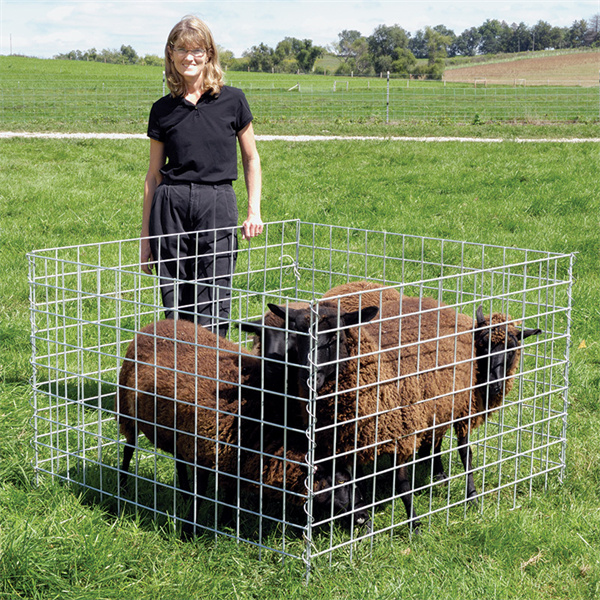
Types of Wire Mesh Panel: Woven, Welded, Perforated, and Expanded
Differences between woven wire mesh and welded wire mesh
Wire mesh comes in two main types: woven and welded. The woven kind has wires that cross over each other in different patterns, which makes it pretty flexible. This flexibility works well when we need something that can handle filters or manage air flow without breaking down. On the other side of things, welded wire mesh is made by joining wires together at every point where they meet using electricity. These connections make the whole thing much stiffer and stronger, so it's great for supporting structures like reinforcing concrete walls. Looking at some industry data from last year, the Welded Wire Mesh Association found that these welded meshes can take about 62 percent more force before failing compared to their woven cousins when used in building projects. Makes sense why many contractors prefer them for heavy duty jobs.
Comparing perforated metal mesh and expanded metal mesh
Perforated metal mesh gets made when manufacturers punch holes through solid metal sheets. These holes can range anywhere between half a millimeter all the way up to 50 mm in size. This makes the material great for things like sound absorbing panels and industrial sieves where having uniform sized openings matters quite a bit. Expanded metal mesh works differently though. Instead of punching holes, they cut slits into a sheet and then stretch it out, creating those distinctive diamond shapes we often see. What's interesting is how this method actually cuts down on weight by around two thirds compared to solid metal, yet still keeps most of the original strength intact. Because of this combination of lightness and durability, expanded mesh finds its way into walkways, security grilles, and other places where weight needs to be distributed evenly across surfaces.
Matching mesh type to structural and functional requirements
| Factor | Woven | Welded | Perforated | Expanded |
|---|---|---|---|---|
| Tensile Strength | Moderate | High | Variable | Medium-High |
| Permeability | 85–92% | 45–60% | 10–70% | 60–80% |
| Common Thickness | 0.5–6 mm | 1–12 mm | 0.8–10 mm | 1–8 mm |
Expanded mesh excels in vibration-resistant environments, while woven configurations with <3% aperture tolerance are preferred for precision filtration. The choice depends on balancing permeability, strength, and durability for the intended use.
Case Study: Industrial filtration vs. construction fencing applications
At one chemical processing facility, they got impressive results with their filtration system - around 98.4% particulate capture when they used 316L stainless steel woven mesh that had those tiny 40 micrometer openings. That really speaks volumes about how good this material is for catching particles down to microscopic levels. On the other side of things, road construction crews saw something interesting too. When they swapped out their old fencing for galvanized welded mesh with 6mm rods spaced every 50 millimeters apart, there were about 40% fewer instances where animals or debris managed to get through. And speaking from experience across several projects now, welded mesh just holds up better in those windy areas. The latest field tests indicate it tends to last roughly two and a half times longer than woven options under similar conditions, which makes sense given how the welding process creates stronger structural integrity.
Material Selection for Wire Mesh Panel: Steel, Stainless Steel, Aluminum, and PVC-Coated Options
Evaluating strength and durability across environments
Steel wire mesh panels can handle serious loads thanks to their impressive tensile strength that goes beyond 65 ksi, which makes these panels great choices for things like protecting heavy machinery. When it comes to extreme conditions, stainless steel holds up remarkably well, keeping around 85 percent of its strength even when temperatures swing from below freezing at -40 degrees Fahrenheit all the way up to scorching hot 1,200 degrees Fahrenheit. That kind of performance gives stainless steel a clear edge over regular carbon steel especially in tough places like saltwater environments or refineries where corrosion is always a concern. For lighter weight needs, aluminum mesh stands out because it packs almost three times the strength relative to its weight compared to steel. This characteristic makes aluminum particularly valuable in industries such as aerospace and automotive manufacturing where weight matters a lot. And don't forget about PVC coated versions either they not only resist harsh environments but also maintain their shape incredibly well showing less than one percent deformation after thousands upon thousands of hours exposed to ultraviolet light.
Corrosion resistance: Why stainless steel and aluminum excel
The chromium oxide layer on stainless steel stops it from oxidizing even in those salty coastal regions where chlorides are everywhere. According to ASTM A240 standards, this gives about 99.9% protection against rust for at least 25 years. Aluminum works differently but just as well. It creates its own protective coating over time that actually repairs itself when damaged, which helps fight off chemical corrosion. Tests show aluminum performs around 76% better than regular galvanized steel in places like wastewater treatment plants. Both metals have pretty amazing resistance too, with corrosion rates staying under 0.002 mm per year across most acidic to alkaline conditions (pH 3 to 11). That makes these materials really good choices for all sorts of chemical processing work where equipment needs to last through tough environments.
Advantages of PVC-coated Wire Mesh Panel for outdoor use
PVC-coated mesh panels reduce maintenance costs by 62% compared to bare metals in outdoor installations. The dual-layer system (epoxy primer + 12 mil PVC) delivers:
| Property | Performance Gain vs. Uncoated |
|---|---|
| Salt spray resistance | 8x improvement (ASTM B117) |
| Abrasion resistance | 4.5x longer lifespan |
| UV degradation | Zero color fade after 10 years |
This makes PVC-coated panels a durable, low-maintenance solution for urban and residential applications.
Cost vs. longevity: Balancing upfront investment with service life
Stainless steel definitely costs more upfront than regular mild steel, about 40 to 60 percent extra actually. But when installed near the coast where salt air eats away at materials, it lasts around 35 years before needing replacement. That means over time, the investment pays off pretty well, giving back roughly twice what was spent initially because there are so few replacements needed. For city fences though, PVC coated aluminum panels tend to be the smart choice. They stay good looking and functional for about 12 to 15 years without any maintenance headaches. And when looking at all expenses over that period, they come out nearly 30 percent cheaper than those powder coated steel alternatives most people go for.
Mesh Size, Aperture, and Dimensional Specifications
How Mesh Size and Wire Diameter Affect Performance
The mesh size measured in openings per inch along with the thickness of the wire plays a big role in how strong and functional a panel will be. Take panels made with 3mm thick wires spaced 12mm apart they can handle about 2.5 times more force before breaking compared to panels using thinner 1mm wires with bigger 25mm gaps according to ASTM standards from 2023. These kinds of specs make them great choices when building security barriers that need to stand up to rough treatment. On the other hand really fine meshes with just 0.3mm wires and tiny 0.5mm holes between them filter out almost all particles reaching 98% efficiency but come at a cost the airflow through these gets cut down by around 40% when compared to coarser mesh options which is something engineers need to consider depending on what application they're working on.
Standard Aperture Sizes and Their Applications in Security and Filtration
| Aperture Size | Typical Use Case | Load Capacity |
|---|---|---|
| 4x4 mm | Construction fencing | 450 kg/m² |
| 2x2 mm | Anti-vandal screens | 780 kg/m² |
| 0.5x0.5 mm | Industrial filtration | 220 kg/m² |
A 2022 material separation study found that 1.5mm apertures optimize the balance between 92% separation efficiency and 60% higher throughput compared to sub-millimeter alternatives.
Customizing Wire Mesh Panel Dimensions for Precision Needs
CNC laser cutting tech today can achieve around 0.1mm precision in fabrication, which opens the door for all sorts of custom applications. Think 1.2 meter wide material rolls that bend nicely for those curved building facades, or big 4 by 2 meter galvanized steel sheets used in road noise barriers along highways. When dealing with harsh environments where corrosion is a real concern, many suppliers offer 316L stainless steel mesh products that meet DIN 2093 requirements. These meshes have edge deformation kept below 0.05mm, something that makes a huge difference when installed in tough conditions where reliability matters most over time.
Application-Specific Considerations: Fencing, Reinforcement, and Infrastructure
Using Wire Mesh Panel for Perimeter Fencing and Intrusion Prevention
Wire mesh panels give around 98% visibility but still hold up really well structurally, which makes them great choices for securing perimeters at construction zones or anywhere that needs protection. These panels come with an anti-climb feature built right in, plus they can be made as tall as 3 meters when needed to stop people from getting through without permission. The newer versions with built-in gates and proper locks actually cut down on break-ins by about two thirds compared to regular old chain link fencing. At least that's what the latest report from Security Fencing said back in 2024. Contractors who've switched over often mention how much easier it is to manage site access now.
Role in Concrete Reinforcement and Structural Support
In civil engineering, galvanized wire mesh panels enhance concrete’s tensile strength by 40–60%, commonly used in roads, bridge decks, and foundations. A 2023 study showed that panels with 100mm x 100mm apertures reduced pavement cracking by 73% over five years compared to unreinforced concrete, significantly extending service life.
Growing Use of Modular Wire Mesh in Urban Infrastructure
Cities increasingly deploy modular wire mesh systems for noise reduction walls (providing 8–12dB attenuation), green façade supports for vertical gardens, and rapidly deployable crowd control barriers. These systems combine durability with aesthetic flexibility, supporting sustainable urban development.
Aligning Panel Specs with Project Lifecycle Demands
For infrastructure projects with lifespans exceeding 25 years, stainless steel wire mesh panels deliver three times lower maintenance costs than PVC-coated variants. The 2024 Global Infrastructure Materials Survey indicates that 82% of engineers prioritize UV-stable, corrosion-resistant meshes for coastal installations, emphasizing long-term performance over initial cost.
Environmental Durability and Long-Term Cost Efficiency
Impact of Moisture, UV Exposure, and Chemicals on Mesh Longevity
The lifespan of wire mesh gets hit hard by environmental factors. Look at untreated steel for instance it can lose between 18 to 34 percent of its strength after just five years when exposed to moisture related rust problems according to Strataglobal's findings from last year. Then there's the sun factor too. Prolonged UV exposure makes those PVC coatings all sorts of brittle over time, which eventually cracks and leaves the bare metal underneath vulnerable. Industrial settings pose another challenge altogether. When faced with acidic or alkaline substances, aluminum panels start deteriorating at about triple the rate we see with stainless steel. This means companies really need to think carefully about what materials they're pairing together for their specific applications.
Selecting Corrosion-Resistant Materials for Coastal or Industrial Zones
Stainless steel and aluminum dominate in harsh environments due to their natural corrosion-resistant layers. For salt-laden coastal conditions, 316-grade stainless steel offers 40% longer service life than 304-grade. Aluminum alloy 6061-T6 provides comparable resistance at 35% less weight, making it ideal for marine structures where both durability and portability matter.
Accelerated Degradation in High-Salinity Environments
When salinity goes over 3.5%, which is what we find in regular seawater, it really speeds up galvanic corrosion problems whenever different metals touch each other in wire mesh structures. Looking at actual field data from coastal areas shows something interesting too. Those zinc galvanized steel fence panels along beaches tend to need replacing about half as long as their polymer coated counterparts do. For anyone working on materials choices in these high chloride environments, focusing on chloride ion resistance becomes absolutely critical. Duplex stainless steel options and those meshes with PVDF coatings have stood out during extensive testing periods lasting around ten years in salt fog chambers, making them top picks for many engineers dealing with marine corrosion issues.
Total Ownership Cost: Balancing Initial Price with Maintenance Savings
According to Life Cycle Cost Analysis data, stainless steel wire mesh actually costs about 28 percent less over time compared to galvanized steel when exposed to harsh conditions, even though it requires more money initially. Recent research from last year looked at maintenance spending over two decades and discovered something interesting too. Anodized aluminum meshes needed replacing only about once every three years instead of nearly annually in chemical plant settings, cutting down on replacements by around 63%. These findings really back up what many engineers already know intuitively. When we choose materials that last longer, facilities experience fewer interruptions, generate less waste, and ultimately spend far less money fixing things down the road. Infrastructure managers should definitely keep this in mind during their planning stages.
FAQ
What are the main types of wire mesh panels?
The main types of wire mesh panels are woven, welded, perforated, and expanded. Each type has different structural and functional properties.
When should I use welded wire mesh over woven wire mesh?
Welded wire mesh is preferred when high tensile strength and durability are required, such as in construction projects for reinforcing concrete walls. Woven wire mesh is suitable for applications needing flexibility, like filters and airflow management.
Why is stainless steel favored in corrosive environments?
Stainless steel is favored due to its chromium oxide layer that provides long-lasting corrosion resistance even in harsh, salty environments. It offers superior durability compared to regular steels.
What benefits do PVC-coated wire mesh panels offer?
PVC-coated wire mesh panels offer enhanced resistance to salt spray, abrasion, and UV degradation, making them a durable, low-maintenance option for outdoor use.
How does mesh size affect its application?
The mesh size, determined by the openings per inch and wire diameter, affects the panel's strength and airflow. Larger openings and thicker wires increase load capacity, while smaller openings improve filtration but reduce airflow.
Table of Contents
- Types of Wire Mesh Panel: Woven, Welded, Perforated, and Expanded
- Material Selection for Wire Mesh Panel: Steel, Stainless Steel, Aluminum, and PVC-Coated Options
- Mesh Size, Aperture, and Dimensional Specifications
- Application-Specific Considerations: Fencing, Reinforcement, and Infrastructure
- Environmental Durability and Long-Term Cost Efficiency
- FAQ