
 EN
EN
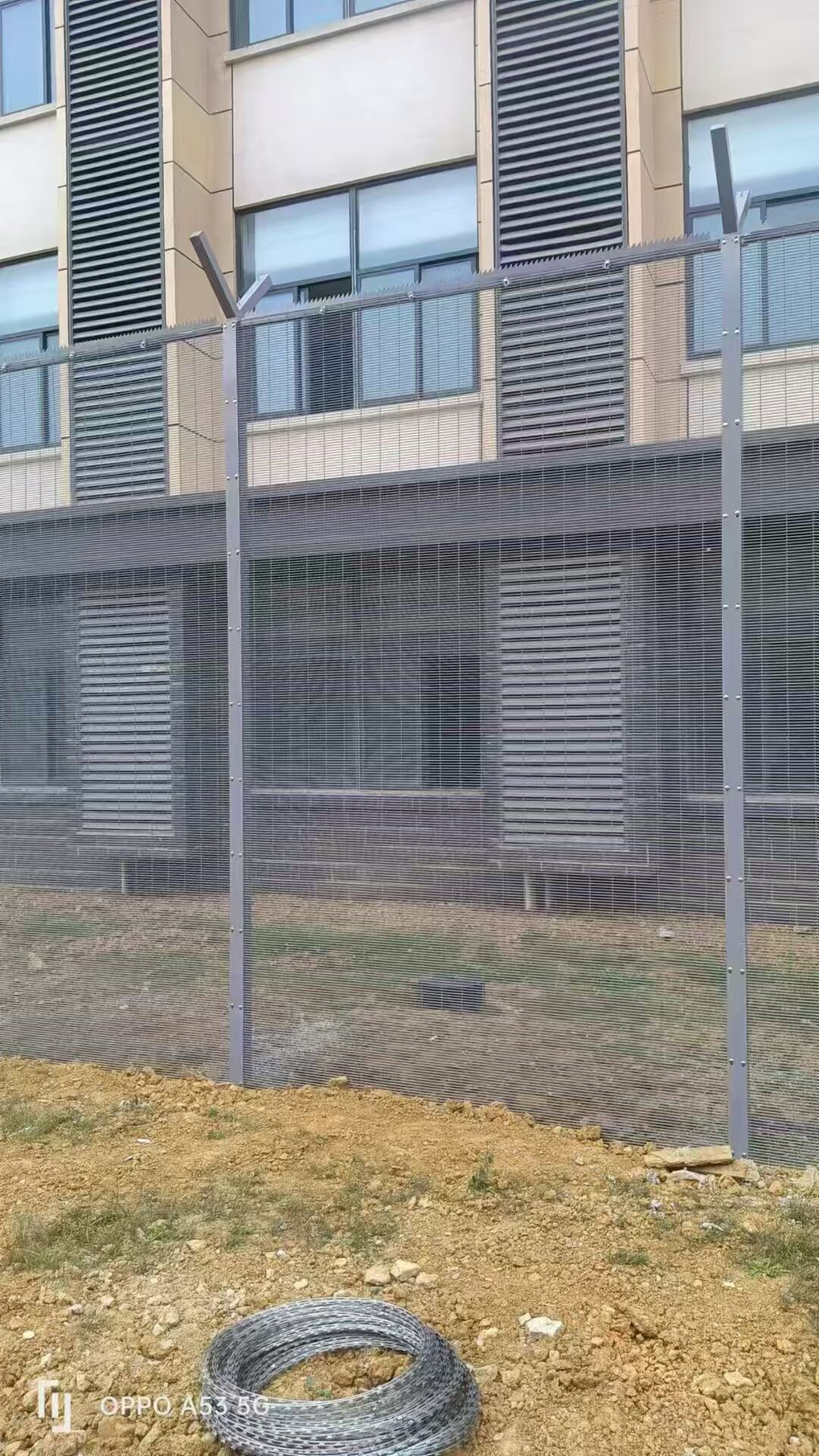
Key Factors That Determine Chain Link Fence Durability
Wire Gauge, Mesh Size, and Structural Strength
The toughness of a chain link fence starts right at how it's built. When looking at wire thickness, most fences use between 9 and 11 gauge wires. The thicker 9 gauge steel can actually hold up against about 35% more pressure compared to thinner 11 gauge according to recent studies by Perimeter Security Institute in 2024. For better protection against intruders, smaller mesh openings around 1.25 inches or even tighter make it harder for people to climb over or cut through. They still let air pass through though. Keeping everything standing straight depends heavily on solid corner posts and good installation of those tension bands that run across the top and bottom. Without these, fences tend to droop and get out of line when weather hits hard.
Corrosion Resistance in Outdoor Environments
Steel with galvanization offers basic protection against rust because of the zinc layer applied to it. However, when we look at vinyl coated options, there's an extra layer of polymer that stands up better against salt air and moisture from the environment. Some tests out there indicate that fences made with these special coatings can last anywhere between eight to twelve additional years along coastlines where regular steel would just corrode away. Then there's stainless steel which doesn't rust at all really. It works great in places like factories or near oceans where corrosion is a big problem. But most people don't see this kind of material in backyard fences simply because it costs way too much for what most homeowners need.
Material Longevity Comparison
| Material | Lifespan | Cost per Linear Foot | Best Use Case |
|---|---|---|---|
| Galvanized Steel | 15–25 years | $8–$12 | Dry climates, low budgets |
| Vinyl-Coated Steel | 20–30 years | $15–$20 | High rainfall, coastal areas |
| Stainless Steel | 30+ years | $25–$35 | Industrial/harsh conditions |
Balancing Upfront Cost with Long-Term Durability
Vinyl coated fences typically set homeowners back around 40% more initially compared to standard galvanized ones, but they need far less upkeep and tend to stick around about 35% longer before needing replacement. According to some industry data we've seen, this usually translates into roughly $2,300 saved over twenty years. When looking at fencing materials, another consideration is gauge thickness. Moving from regular 11 gauge wire to thicker 9 gauge stuff bumps installation expenses by somewhere between 15 and 20 percent. However, those extra dollars spent pay off big time since the stronger wire can withstand twice as much impact. For places where people constantly run into fences or where security matters most, this upgrade often makes total sense despite the higher price tag.
Weather Resistance of Chain Link Fencing in Harsh Conditions
Chain link fencing maintains performance in extreme environments through engineered materials and protective treatments. Strategic selection addresses the two most critical weather-related threats: corrosion and structural fatigue.
Performance in coastal and high-humidity climates
The salty sea breeze really takes a toll on metals, which explains why those plain steel fences along the coast tend to rust away at least three times quicker than what we see inland. Hot dip galvanizing makes all the difference though. The zinc coating forms a protective layer that cuts down on oxidation by around 90% after about ten years out there in the ocean air, research into marine corrosion tells us. For places where humidity stays high most of the year, people often turn to vinyl coated mesh fencing. This creates a sort of shield against moisture getting inside, so condensation doesn't build up and cause rust problems from within the material itself.
Protective coatings that prevent rust and degradation
Modern protective systems use layered defense mechanisms:
| Coating Type | Protection Mechanism | Lifespan Extension |
|---|---|---|
| Hot-Dip Galvanized | Sacrificial zinc layer oxidizes first | +15-20 years |
| Vinyl-Coated | UV-stable polymer seals out moisture | +12-18 years |
Double-coated systems–galvanized steel with an additional vinyl layer–are increasingly considered the gold standard, combining cathodic protection with physical sealing. Regular inspection using magnetic thickness gauges helps detect coating wear early, enabling proactive maintenance before structural damage occurs.
Comparing Wire Thickness and Fabric Coating Options
How Wire Gauge Affects Fence Strength and Durability
The thickness of wire has a big impact on how well it holds up structurally. Basically, the lower the gauge number, the thicker the wire gets. Take steel for instance, a 9 gauge can handle about 40 percent more pressure compared to something thinner like 11.5 gauge. Most serious installations need pretty thick stuff, somewhere between 6 and 9 gauge for things like business properties or securing large areas. Regular homes usually get away with 11.5 to 12 gauge for their fences around the yard. Wires that are heavier duty just don't bend or droop as easily either, which matters a lot when dealing with frozen ground conditions. The earth tends to shift under frost, putting extra strain on fence lines over time.
Galvanized vs. Vinyl-Coated Chain Link: Pros and Cons
| Coating Type | Advantages | Considerations |
|---|---|---|
| Galvanized | Zinc coating prevents rust, 20% cost savings | May require touch-ups in coastal climates |
| Vinyl-Coated | UV-resistant, color options, scratch protection | Limited to 9–11.5 gauge wires, 25–30% price premium |
While vinyl coatings extend service life by 8–12 years in humid environments, repairs can be challenging due to color-matching requirements. Galvanized remains the preferred economical choice for inland installations.
Mesh Density and Tensile Strength Benchmarks
When it comes to chain link fences, tighter mesh really does make a difference in terms of security against intruders and how well they hold up against strong winds. According to what the Chain Link Institute suggests for homes, most folks go with a 2 inch mesh size paired with 9 gauge wire for regular security needs around the house. But if someone has a swimming pool on their property, they need to stick to the 1.25 inch spacing requirement set by local safety codes. Going even denser with those weaves between 1 1/4 inches down to 1 3/4 inches will definitely cost more money upfront something like 18 to 22 percent extra but these stronger fences can handle much heavier loads vertically speaking about 35 to 50 percent better than standard ones. That makes them worth considering especially where there are frequent storms or areas that require extra protection from break-ins.
Maintenance Practices to Extend Chain Link Fence Lifespan
Routine Inspection and Cleaning for Outdoor Fences
It's wise to do quick visual inspections every week looking out for those pesky rust spots, any tension wires that have come loose, or posts that might be slightly off alignment. Give the fence a good going over with a soft bristle brush and some gentle soap to clear away dirt and grime, especially where the mesh sections cross each other since these areas tend to trap moisture and encourage rust formation. Don't forget the gate hinges and those bottom posts either they account for nearly 40% of early failures according to industry research from last year. And while we're on the subject, keep plants and weeds at least a foot away from the fence line. Vegetation growing too close creates extra moisture around the structure and puts unnecessary stress on the materials over time.
Repairing Coatings and Preventing Corrosion Spread
If galvanized coatings start showing damage, it's best to get on it within two days before rust really takes hold. Start with applying that zinc rich primer stuff first, then follow up with something that actually stops rust from spreading on those bare spots. People living near the coast should think about giving their fences a fresh coat once a year. We've seen this cut down corrosion problems by around three fifths when compared to old rusty fences left alone. When dealing with vinyl coated surfaces, make sure to properly seal any repairs using UV resistant sealant products. This helps maintain even protection against both sunlight and salty air, which keeps things looking good while extending how long everything lasts.
FAQ Section
What is the difference between galvanized and vinyl-coated chain link fences?
Galvanized fences are coated with a layer of zinc for rust prevention, making them cost-effective but requiring maintenance in coastal climates. Vinyl-coated fences offer UV resistance, color options, and scratch protection, though they come at a 25–30% price premium.
How does wire gauge affect fence strength?
A lower gauge number means a thicker wire, providing greater structural strength. For strong installations, a gauge between 6 and 9 is recommended, while residential fences can use thinner gauges like 11.5 to 12.
How often should chain link fences be inspected?
It's recommended to conduct quick visual inspections every week to check for rust, loose tension wires, or misaligned posts. Regular cleaning and inspection help prolong the fence's lifespan.
What protective coatings are best for coastal or high-humidity areas?
Vinyl-coated chain link fences are ideal for high-humidity and coastal areas as they provide a protective barrier against moisture and salt air. Hot-dip galvanized coatings also offer increased corrosion resistance.