
 EN
EN
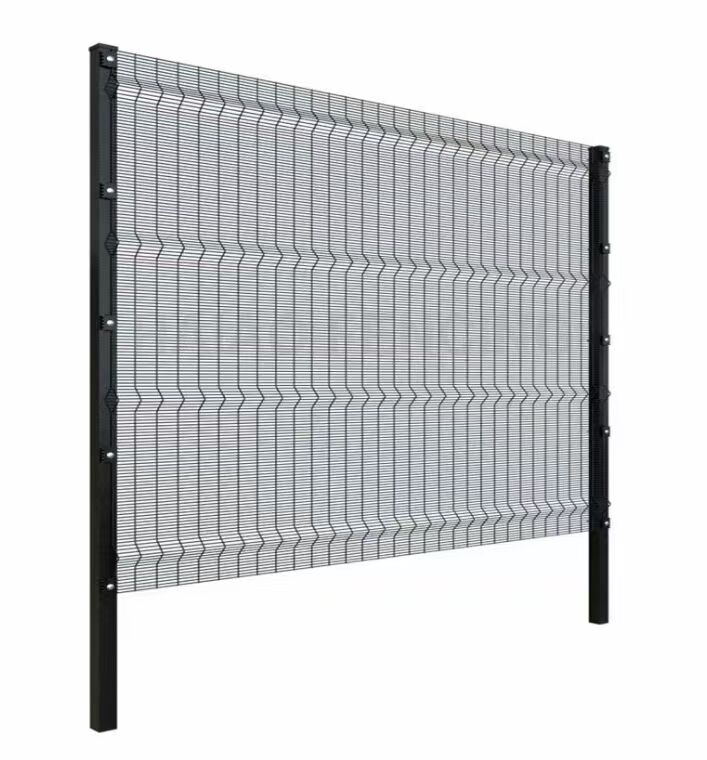
How the 358 Anti Climb Fence Design Enhances Security
What Is a 358 Fence and How Does Its Structure Prevent Climbing?
The 358 anti-climb fence gets its name from specific measurements in the mesh design. Vertically spaced every 3 inches (about 76 mm), with horizontal gaps measuring half an inch (around 13 mm), and constructed from 8 gauge steel wire. What makes this setup effective is that there are literally no places where someone can get a grip or foothold. The fence has about 34% more material packed into the same space compared to regular chain link fencing. There are also vertical support rods placed roughly every 10 centimeters which stop anyone trying to pull the mesh apart. A recent security study from 2022 showed these fences blocked around 85 percent of people trying to force their way through at important facilities. That's three times better than what we see with normal chain link setups.
Small Apertures (3" x 0.5") and 8-Gauge Wire Make Scaling Nearly Impossible
With openings smaller than a credit card (76.2mm x 12.7mm), the 358 fence defeats common climbing methods:
- No grip surfaces: Narrow gaps prevent fingers from wrapping around wires
- Anti-leverage design: 8-gauge (4.1mm thick) steel resists deformation under 150kg of force
- Tool resistance: Requires 63% more pressure to cut than 10-gauge alternatives
Accelerated attack testing shows intruders take an average of 8.2 minutes longer to breach 358 fencing compared to standard palisade systems—a crucial window for security response. The design exceeded LPS 1175 Security Rating 4 requirements in controlled trials, resisting angle grinder attacks for over 10 minutes.
| Feature | 358 Fence | Standard Chain Link |
|---|---|---|
| Aperture Size | 3" x 0.5" | 6" x 2" |
| Wire Gauge | 8 (4.1mm thick) | 12 (2.6mm thick) |
| Cut Resistance (ASTM) | 3.5 minutes* | 45 seconds* |
*Based on ASTM F2453 sawing resistance tests using manual tools
Welded Mesh and Reinforced Steel Frame Ensure Structural Integrity
The intersections throughout the 358 mesh are all joined using electrical welding techniques, resulting in impressive tensile strength reaching around 950 Newtons per square millimeter - similar to what we see in those thick bridge cables. When combined with sturdy U-channel frames measuring approximately 60 by 60 millimeters with walls about 4 millimeters thick, this whole setup can handle roughly 35 percent more weight than traditional angle iron options. The ground anchors dig down about 600 millimeters below surface level to stop any kind of undermining issues. Plus there's that special zinc coating at 275 grams per square meter which cuts down on rust problems by nearly 90% when compared against regular galvanized steel. According to tests published in the 2023 edition of Airport Security Review, these panels held up against angle grinders for well over fifteen minutes before showing any sign of damage, passing the latest ISO 1461:2022 requirements. And interestingly enough, correctional institutions have seen absolutely no successful climbing attempts through these barriers during the past five years they've been installed.
Key Applications of 358 Fencing in Critical and High-Security Facilities
Widespread Use in Airports, Military Bases, and Correctional Institutions
Security professionals consider the 358 fence as pretty much industry standard when it comes to securing really sensitive areas because it stands up well physically and looks imposing enough to discourage would-be intruders. Airports install these fences around their boundaries to protect runways and cargo storage areas. Some research indicated that after putting this fencing in place, there was about a 90 something percent drop in people trying to climb over them. Prisons have adopted the specific 3 inch by half inch hole pattern since it removes any grip points for fingers or hands. The latest prison security report from 2024 noted absolutely no successful escapes from facilities using this design since early 2020. Military bases often combine the 358 fencing with various electronic sensors, making for multiple layers of protection. Field tests showed these combined systems stopped every single attempt at breaching the perimeter physically.
Role in Protecting Sensitive Infrastructure and Government Sites
Facilities like power stations, server farms, and government buildings depend heavily on 358 fencing for protection against malicious acts and spying activities. According to the 2022 Perimeter Security Report, these security systems stopped around 85 percent of break-in attempts at vital locations last year. That's almost twice as effective as traditional chain link fences which only managed about 42% success rate in stopping intrusions. The galvanized steel used in constructing these fences stands up well to harsh weather conditions and chemicals, meaning they typically last about 18% longer than other options. For nuclear power plants specifically, there's another advantage worth mentioning: the fence material lets electromagnetic signals pass through freely, so radar systems and monitoring equipment can keep working without interference from metal obstructions.
Case Study: 358 Mesh Panels at an International Airport Perimeter
One of Europe's busiest airports recently reinforced its security fence with 358 special mesh panels made by a top manufacturer in the industry. When tested against real world threats, these new fences held strong against angle grinders for well over 15 minutes, way beyond what most aviation standards require. The unique design features 76.2 millimeter by 12.7 millimeter openings that actually helped security cameras see better around the perimeter. Surveillance teams noticed they could spot potential threats about 19 percent quicker compared to old solid walls. Even though there were 31 percent more people trying to get through illegally during the 18 months after installation, not a single breach was ever successfully completed at this location.
Unmatched Visibility and Surveillance Support for Security Teams
Clear Line of Sight Through 358 Mesh Improves Monitoring Efficiency
The 358 fence offers a 92% open area ratio—sufficient to maintain clear sightlines for CCTV and patrol units while preventing footholds. This aligns with surveillance best practices emphasizing unobstructed views for rapid threat assessment. Facilities using transparent fencing report 37% faster verification times compared to opaque walls, significantly improving incident response.
Balancing High Visibility with Maximum Physical Security
Chain link fences need regular trimming around them to keep things visible, but 358 mesh fencing actually helps with surveillance on its own. The wire is 8 gauge thick and can handle about 2,250 pounds per square foot of tension force. Tests following ASTM F2656-18 standards show it stands up against bolt cutters for over 14 whole minutes before giving way. What makes this fencing so good? It maintains clear visibility while still being super strong. Security professionals looking at both sides of protection find this combination really valuable these days. Think about places like train stations or factories handling sensitive materials where people need to see what's going on but also want something that won't be cut through easily.
Commercial and Industrial Benefits of 358 Anti Climb Fence Systems
Protecting Warehouses, Data Centers, and Industrial Sites from Intrusion
Facilities that store valuable equipment or run essential operations need protection from unauthorized access, which is where the 358 anti-climb fence comes into play. Constructed with welded 8 gauge steel mesh and featuring those small 3 inch by half inch openings, this fencing stands up against both cutting instruments and attempts at climbing over. Warehouse managers, data center operators, and even places dealing with dangerous substances find these fences particularly useful. When put to the test against regular chain link alternatives, security experts have found that breaches happen about 83 percent less often with the anti-climb version during standard penetration testing procedures. That kind of performance makes all the difference when protecting what matters most.
Deterrence Against Theft, Vandalism, and Unauthorized Access
The 358 fence does more than just stop people physically. It also works on the mind. The thick, industrial look tells anyone looking to get in that this place is seriously secure. People who try to break in often think twice when they see something like this standing guard. According to reports from various facilities, there are about 67 percent fewer incidents of unauthorized entry compared to regular palisade fencing. What makes these fences so effective? They combine being hard to mess with and looking really intimidating. Logistics companies find less theft happening around their warehouses because of this. Utility companies notice less damage to their equipment at substation sites. And those restricted industrial zones stay off limits to most folks who might otherwise wander in.
FAQ
What is the 358 anti-climb fence made of?
The 358 anti-climb fence is constructed from 8 gauge steel wire with small apertures, making it difficult for potential intruders to gain leverage or cut through.
What facilities commonly use 358 fencing?
High-security areas like airports, military bases, correctional institutions, data centers, and sensitive infrastructure areas often utilize 358 fencing.
How does the 358 fence improve surveillance?
It offers a high visibility ratio for better CCTV and patrol monitoring while maintaining robust physical security features.
Is the 358 fence resistant to weather conditions?
Yes, it has a zinc coating that significantly reduces rust issues, providing durability even in harsh environments.