
 EN
EN
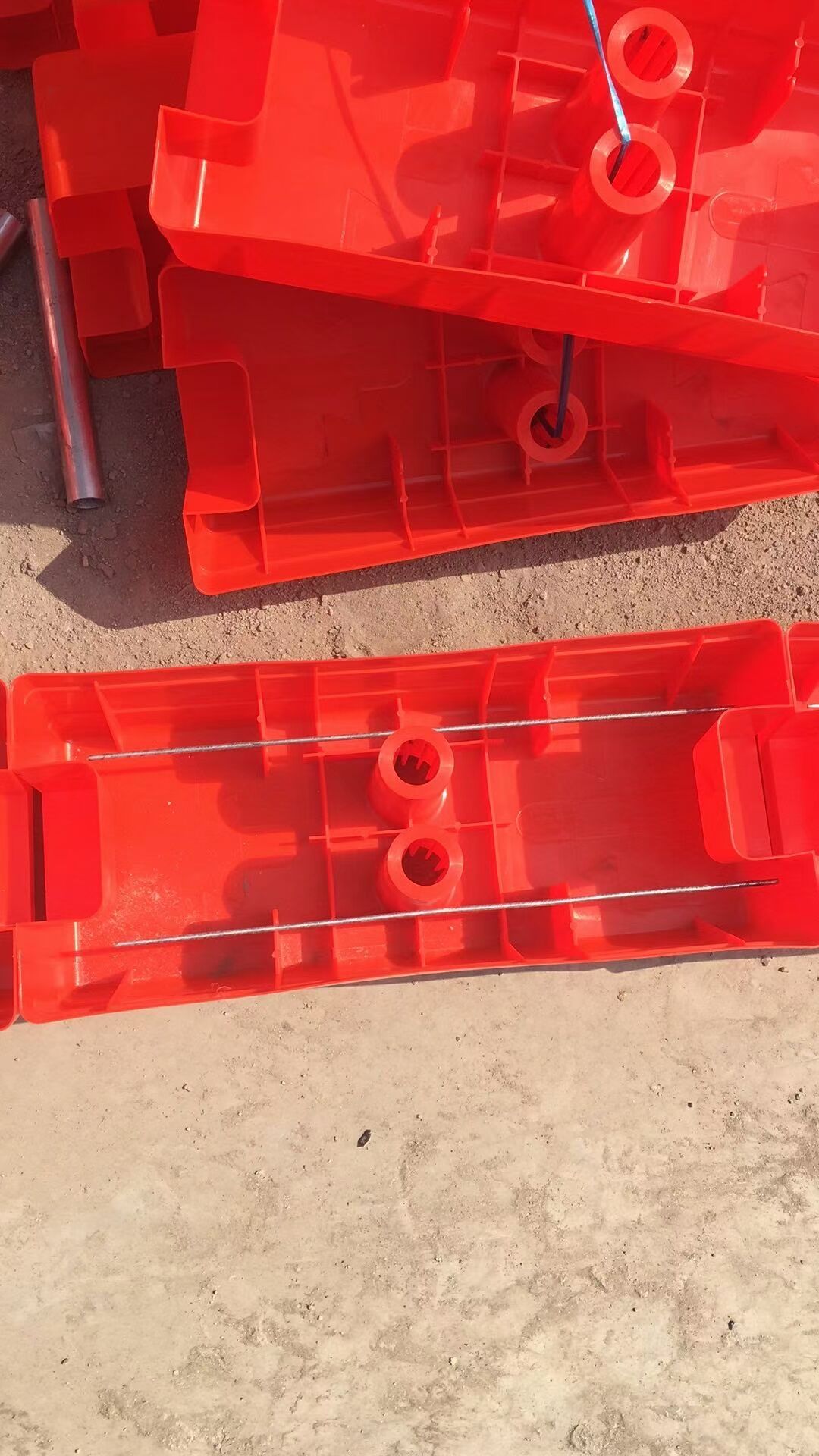
Site-Specific Customization of Temporary Fence
Wind Resistance Engineering: Structural Reinforcement for High-Wind Zones
Temporary fences installed in areas prone to strong winds need special reinforcement if they're going to hold up against gusts over 50 miles per hour. This is particularly important along coasts or out on flat plains where nothing blocks the wind. The way engineers tackle this problem involves several key techniques. First, they incorporate triangular bracing into the design because triangles are naturally stable shapes. They also use heavy footplates at the bottom that spread out sideways pressure from the wind. Another improvement comes from bolting together critical joints with two bolts instead of one, something that cuts down on failures by around 40% according to research published last year in Construction Safety Journal. For coastal installations, galvanized steel parts help fight off rust caused by saltwater exposure while still carrying their weight properly. Tests done in wind tunnels show these reinforced systems can stay standing even during Category 1 hurricanes, all while keeping the fence modular enough for easy assembly and disassembly when needed.
Privacy and Visual Buffering: Screening Sensitive Boundaries with Temporary Fence
Polyethylene screens transform regular mesh barriers into great visual shields around sensitive areas like near schools, hospitals, and residential communities. These UV protected panels can cut down outside noise levels by about 15 decibels and completely hide what's going on during construction work. For medical facilities specifically, there are special fabrics available that help maintain sterile conditions. At the same time, these screens have carefully designed holes that let air flow through without making anything visible from outside. Every material used passes the NFPA 701 fire safety tests which is really important when installing them next to busy roads where people walk or drive past regularly.
Aesthetic Integration: Color Matching, Branding, and Local Design Compliance
More and more cities are now asking contractors to match temporary fencing with what makes sense for each area's look. Think forest green in old town neighborhoods, sandstone colors where there's lots of desert landscape, and those flat, not-too-tall fences in places with historical significance. The powder coat finish on these fences really helps get that exact color match from the RAL charts while also standing up better against graffiti problems. When it comes to putting logos and messages on fences, digital printing on vinyl works great. These prints stay bright and clear for around 18 months even when sitting out in full sun, which means contractors can put up important safety info, show when projects will be done, or display company branding. Most municipalities have already approved certain basic designs that work well across different areas. According to Urban Planning Quarterly from last year, these standard options pass muster with about 92% of local design review committees.
Functional Configuration Options for Temporary Fence Layouts
Modular Sizing and Adaptive Perimeter Planning for Irregular Sites
Modular temporary fences work really well on uneven ground because they come in different sizes. Panels can be anywhere between six and twelve feet tall, and their width ranges from six to ten feet across. This flexibility means no need to pay extra for special custom made parts, plus it saves about thirty percent off installation time compared to traditional fixed fencing according to recent studies from 2023. When dealing with tricky locations such as expanding highways or building on hillsides, planners often start with drone surveys to map out the terrain first. Then they mix straight and angled panels together so corners fit smoothly without looking awkward. Some sections are also designed to come apart easily when heavy machinery needs to pass through during construction phases. The result? A secure boundary all around the site even though nearly four out of five delayed construction projects mention missing fence segments as major safety issues according to last year's Construction Safety Journal report.
Internal Zoning Strategies Using Temporary Fence: Safety Isolation and Workflow Optimization
Temporary fencing does much more than just mark off perimeters these days. It actually plays a big role in managing what goes on inside construction sites. When we set up clear boundaries around dangerous spots like open excavations, where cranes are swinging their loads, or near places where hazardous materials are stored, accident numbers drop significantly. According to OSHA data from last year, such measures cut incidents down by almost half. And it's not just safety improvements either. The way workspaces get divided up really boosts efficiency too. Having specific areas for storing materials, separate paths for people walking versus vehicles driving around, plus gates that control where heavy machinery can go all contribute to smoother operations. Most project managers notice better organization when they implement both safety and workflow strategies together. A recent industry report found that over two thirds of complicated construction projects saw noticeable improvements in how tasks were sequenced when this combined approach was used.
Branding and Regulatory Communication via Temporary Fence Wraps
UV-Resistant Vinyl Wraps with ADA-Compliant Safety Messaging and Logos
Vinyl wraps designed for high performance turn ordinary temporary fences into something much more than just barriers. These wraps stand up well against sun damage and keep their colors looking good for around 18 months, so important safety messages stay readable during construction projects. The materials meet accessibility standards too, with proper font sizes, strong contrast between text and background, and where things should go according to regulations. At the same time, companies can add their own logos, display specific safety instructions, or showcase project details right on site. When done right, this kind of wrapping serves two main purposes. First, it helps avoid problems with missing or unclear signs that could lead to fines. Second, it makes sure everyone involved in the project sees what's going on, from workers to property managers who need to know about ongoing developments.
Installation and Maintenance Best Practices for Temporary Fence
Pre-Installation Site Assessment: Grading, Drainage, Utility Clearance, and Egress
A rigorous pre-installation assessment is foundational to safe, compliant, and durable temporary fencing. Key evaluation steps include:
- Grading analysis: Identifying slopes over 15° to determine whether specialized anchoring (e.g., helical piers or concrete ballast) is required to prevent displacement.
- Drainage mapping: Flagging flood-prone areas where fence placement could impede stormwater flow or create pooling hazards.
- Utility clearance verification: Coordinating with 811 services to locate and mark underground utilities within 3 feet of planned fence lines.
- Egress pathway validation: Confirming all gates and access points maintain OSHA’s 28-inch minimum clear width for emergency egress.
Neglecting any of these steps increases safety incidents and rework risk by 34%, according to industry safety audits—making documented, site-specific assessment non-negotiable for responsible project execution.
FAQ
Why is wind resistance important for temporary fences?
Wind resistance is crucial for temporary fences, especially in high-wind areas like coasts or plains, to prevent them from being toppled by strong gusts and ensure the safety and integrity of the site.
How do polyethylene screens enhance privacy on temporary fencing?
Polyethylene screens act as visual shields that provide privacy and reduce outside noise levels, perfect for sensitive areas like schools or hospitals.
What benefits do modular temporary fences offer for irregular sites?
Modular fences offer flexibility in size and design, making them ideal for uneven ground as they can adjust to different site layouts and save on installation time and costs.
How do temporary fence wraps contribute to branding and communication?
Temporary fence wraps can feature logos and safety messages, offering excellent visibility and promoting brand identity while meeting safety regulations at the construction site.