
 EN
EN
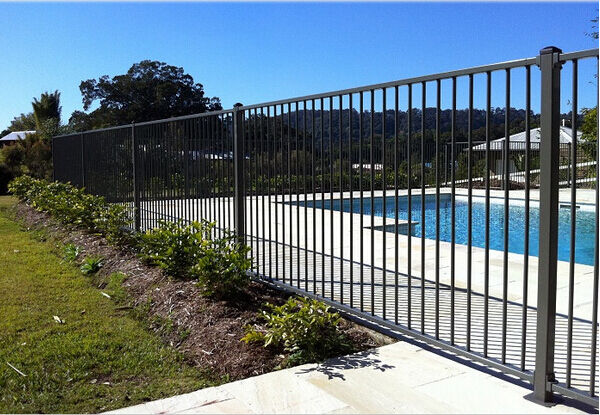
Understanding Commercial Steel Fence Code Compliance
IBC, IRC, and ASTM Structural Standards for Steel Fence Systems
Steel fences used in commercial applications need to meet requirements set by the International Building Code (IBC) as well as the International Residential Code (IRC) when it comes to how they hold up structurally. Wind loads, earthquake anchoring points, and proper foundation designs are all covered in these building regulations. The codes actually point back to ASTM standards for materials and performance testing so everyone's on the same page about quality and safety. When talking about impact resistance specifically, ASTM F2656 crash tests are what really matter. These tests show whether a fence system can actually stop something massive like a 15,000 pound vehicle going 50 miles per hour, and still manage to absorb around half a million foot pounds of energy from the collision. This kind of certification isn't just recommended but required for places where people's lives are at stake such as airports, power plants, and government buildings. Without meeting these standards, fences simply won't perform during severe weather events with sustained winds above 130 mph or during earthquakes. Systems that fall short here pose serious risks not only to human safety but also to valuable property and infrastructure investments.
Zoning Permits: Height Limits, Setbacks, and Site Placement Rules
Zoning laws around here control where fences can go, and they come with pretty specific rules. Most places limit how tall fences can be for regular property security between six and eight feet high. But if someone wants to build something along highway industrial areas, those need to stay back at least fifteen feet from the road edge. Schools have their own special rule too - they want at least four feet of clear space so kids can see what's coming when walking past fences. Getting the right paperwork sorted out matters a lot actually. According to a survey last year by ICMA, almost two thirds of all delays in business fence projects happen because people didn't get their permits first. And guess what? When folks break these rules, cities typically hit them with about five grandьў鏥 each time they mess up. The thing is, regulations change quite a bit from one town to another sometimes even across different parts of the same county. So checking exactly what applies to a particular location should happen way before digging starts. Talking to local planners ahead of time saves headaches later on down the road when mistakes would mean tearing everything down again or paying big bucks for fixes nobody wanted to make.
Steel Fence Durability for High-Traffic Commercial Sites
Wind, Impact, and Crash Resistance: ASTM F2656 and Load Testing Benchmarks
The strength of steel fences in busy commercial areas depends not only on how they handle regular weight but also their ability to withstand sudden impacts from vehicles. ASTM F2656 is still considered the best benchmark for crash rated barriers. This standard demands that entire systems including posts, rails, connections, and foundations be tested when subjected to actual vehicle collisions in controlled settings. When properly certified, these fencing systems stay intact after being hit, so there's no risk of someone breaking through or the whole thing collapsing. This kind of protection is absolutely essential for securing perimeters around places like airports, major data centers, and large industrial sites. Testing also checks if the fences can stand up to strong winds. Steel fences designed according to engineering specs will pass IBC requirements even when facing wind speeds over 130 miles per hour in areas prone to hurricanes. How deep the posts are set into the ground and what kind of anchors are used all depend on factors like local soil conditions and how exposed the location is to weather extremes.
Corrosion Protection: Galvanized vs. Powder-Coated Steel Performance Data
How long something lasts really comes down to how well it's protected against corrosion. Hot dip galvanization puts on a thick layer of zinc, about 5 to 6 times what electroplating offers, and this zinc actually sacrifices itself to stop rust from starting. For buildings in normal inland areas, this kind of protection typically lasts around 15 to 20 years without needing any maintenance at all. But things change near coasts or where roads get salted during winter. The salt speeds up the breakdown process, cutting the useful life down to just 5 or 7 years unless there's extra protection added. Powder coating creates another strong barrier made of polymer material. It looks better too and helps fight off corrosion much longer, especially if applied after galvanizing work is done. Looking at real world results, combining both methods gives structures over 40 years of good service life, with only occasional checks needed to make sure everything stays intact.
| Protection Method | Saltwater Resistance | Maintenance Cycle | Expected Lifespan |
|---|---|---|---|
| Galvanized Only | Moderate | None required | 15–20 years |
| Powder-Coated | High | Recoating every decade | 25+ years |
| Dual Protection | Maximum | Visual inspections | 40+ years |
The synergy between zinc’s cathodic protection and the polymer’s moisture barrier makes dual treatment the optimal choice for mission-critical sites where replacement downtime is unacceptable.
Security-Critical Steel Fence Features for Industrial Use
Anti-Climb Design, Welded Rigidity, and Tamper-Resistant Hardware
Steel fences built for industrial use need more than just basic barriers they must incorporate active security features too. Anti climb designs work by removing any places where someone could get a foot hold. Mesh patterns stay below 4 inches apart, and the top rails either angle downward or have spikes added. According to the DHS Physical Security Assessment Guide from 2022, this approach cuts down on successful break ins by about 78% when compared to regular chain link fencing. The fence stays strong because welders connect every panel to rail and rail to post without gaps. When something hits the fence, the force spreads out across the whole structure instead of concentrating in one spot which would cause it to fail. For the final layer of protection, manufacturers install tamper resistant hardware. Fasteners are hidden away, bolts resist shearing forces, and caps cannot be removed easily. All these components together create what security experts call a layered defense system that makes unauthorized access much harder to achieve.
- Anti-climb geometry denies access
- Full-welded construction resists crash forces
- Engineered hardware defeats tool-based intrusion
This approach exceeds baseline code requirements and aligns with Department of Homeland Security (DHS) and ASIS International best practices for high-risk facilities such as chemical plants, power substations, and federal installations.
Selecting the Right Steel Fence: Matching Specifications to Project Type
Picking out the correct steel fence isn't about grabbing whatever looks good off the shelf. It needs careful thinking based on what actually matters for each specific job. Start with what really counts for the project at hand. If security is top priority, then look for fences certified under ASTM F2656 standards, those special shapes that stop people from climbing over, plus hardware that won't let anyone tamper with it easily. For places where looks matter most, focus on fancy designs and coatings that last forever, like those double coated steels that resist rust. Where the fence goes makes all the difference too. Salt air near beaches or harsh chemicals in factories mean regular galvanized steel just won't cut it. Cities might get away with powder coating if they have proper warranty coverage against corrosion issues. Don't forget about daily wear and tear either. Busy areas need stronger steel construction even though it costs more upfront because weaker materials just break down faster and need replacing constantly. And before anything else gets finalized, check local regulations first. Make sure about how tall the fence can be, where exactly it needs to go around property lines, and when permits need to be filed. Skip this step and face major headaches later on with redesigns or fines. Taking time to think through these details properly leads to better results, stays within legal boundaries, and saves money in the long run.
Frequently Asked Questions
What are the key standards that commercial steel fences must meet?
Commercial steel fences must meet the International Building Code (IBC), the International Residential Code (IRC), and ASTM standards for materials and performance testing to ensure quality and safety.
Why is ASTM F2656 crash testing important for steel fences?
ASTM F2656 crash testing is crucial as it measures the fence's capability to stop significant impacts, like those from vehicles, ensuring they can withstand these forces and protect facilities.
What are the zoning permit considerations for installing a steel fence?
Zoning permits require adherence to regulations such as height limits, setbacks, and site placement rules. Getting the right paperwork is essential as non-compliance can lead to fines and project delays.
How do galvanized and powder-coated steel fences compare in terms of corrosion protection?
Galvanized steel offers moderate resistance lasting 15-20 years while powder-coated options provide higher protection and a lifespan of over 25 years. Combining both offers maximum resistance and longevity of over 40 years.