
 EN
EN
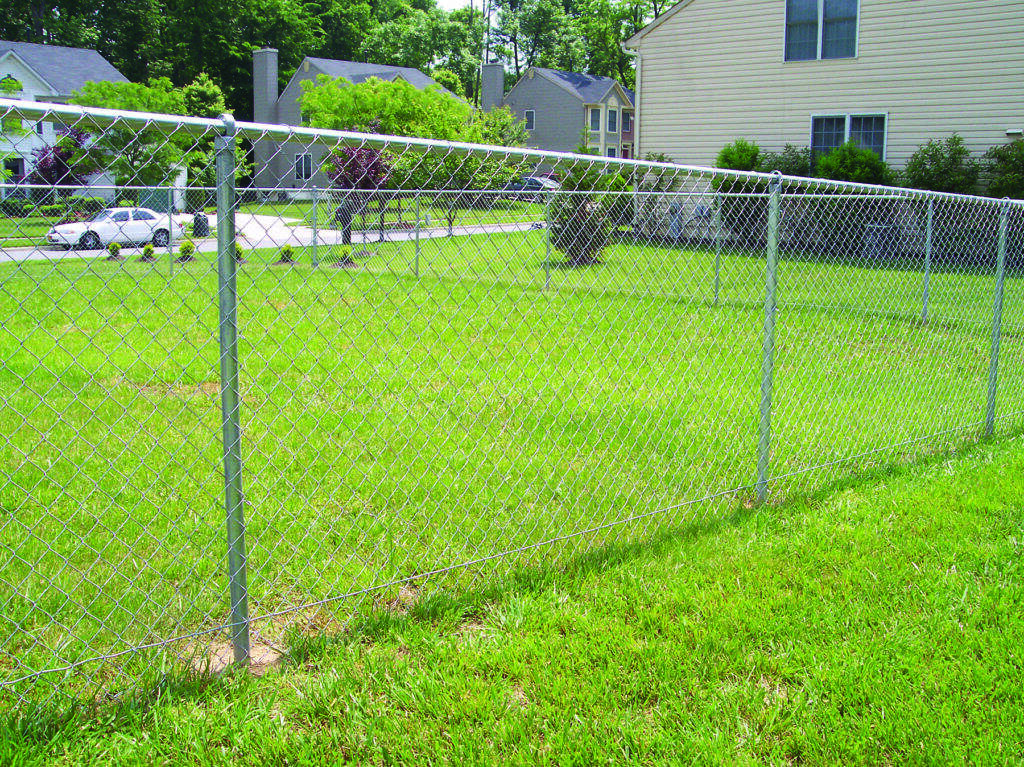
Core Chain Link Fence Specifications for Engineering Compliance
Height, Mesh Aperture, and Wire Gauge: Meeting Structural Load and Security Requirements
Getting the right size for chain link fences makes all the difference when it comes to how strong and secure they actually are. Most standard fences sit between 6 and 12 feet tall, though many experts recommend going with an 8 foot height since studies show this can cut down on break ins by about 60% compared to those shorter ones according to ASTM F567-22 standards. The mesh holes themselves usually measure somewhere between 1 3/8 inches and 2 1/4 inches across. Smaller holes make it harder for people to grab onto the fence, but they also catch more wind which can be problematic in certain areas. When looking at wire thickness, most installations use gauges ranging from 11.5 down to 6. Thicker wires mean stronger fences obviously enough. A 9 gauge wire will hold up against around 1200 pounds of force, whereas the heavier 6 gauge versions can take hits from heavy machinery without giving way. And if we're talking about really important sites like power plants or government buildings, there's another consideration too. According to ASTM F1712 guidelines, these locations need special treatment where they remove the top rail entirely so nobody can climb over easily. Plus, they have to install those special coil springs right where the tension bars connect for extra stability.
Corrosion Protection Standards: Hot-Dip Galvanization vs. PVC-Coated Chain Link Fence for Durability
The ability to resist corrosion really matters when it comes to how well materials perform over time in tough engineering situations. Hot dip galvanization, specifically the Z275 coating according to ISO 1461 standards, can last more than 50 years in average climate conditions because of the way zinc and iron form an alloy layer. Salt spray tests have shown these coatings can withstand at least 5,000 hours before any red rust appears. For areas around petrochemical plants where chemicals and sunlight are harsh, PVC coated chain link fence does better against both chemicals and UV damage. These fences typically have two layers of coating between 16 to 20 mils thick which keeps them flexible even after exposure. Accelerated weather testing indicates about 90% of their properties remain intact after what would be roughly 10 real years outdoors. But there's something interesting about coastal locations. While PVC coated systems tend to start showing cracks around the 12 year mark in salty marine air, hot dip galvanized structures keep going strong for over 30 years in exactly the same conditions along the shore.
Engineering-Specific Procurement Workflow and Documentation
Bid Package Essentials: Submittals, Shop Drawings, and QA/QC Certifications for Chain Link Fence
Good technical documentation is essential when buying chain link fences that meet standards. For engineering projects, the bid package needs to include all the necessary product info, especially ASTM certified materials specs. Wire gauge matters a lot too - usually between 9 and 11 gauge works best, and the steel needs at least 65,000 psi tensile strength. Shop drawings should show exactly what kind of mesh size we're talking about (typically 50 to 75 mm), how deep those posts need to go into the ground (around 24 to 36 inches depending on soil type), and the whole anchoring system design. Most importantly, third party quality checks can't be skipped. Nearly every big infrastructure project requires mill test reports to prove the galvanized coating meets specs (at least 2 ounces per square foot according to ASTM A123). When contractors forget any of these details, they end up resubmitting paperwork again and again, which typically pushes back installation schedules by about three weeks in most cases.
Contractor Coordination: Alignment with Site Phasing, Anchor Conditions, and Inspection Protocols
Effective installation hinges on synchronizing fence deployment with earthwork and concrete curing phases. Contractors must validate anchor conditions using geotechnical reports—adjusting post foundations for high-water-table sites or seismic zones requiring 30% deeper footings. Inspection checkpoints should align with critical path milestones:
- Post alignment verification before concrete sets
- Mesh tension testing (±5% tolerance)
- Coating integrity checks via DFT gauges
Phased installations reduce rework by 40% when coordinated with grading schedules. Daily huddles between civil teams and fence crews prevent clashes with underground utility installations.
Optimizing Batch Procurement of Chain Link Fence for Cost and Schedule Efficiency
Leveraging Volume Purchasing: Tiered Discounts, Freight Consolidation, and JIT Delivery Models
When it comes to saving money and time on engineering projects, buying materials in batches makes all the difference. Many suppliers offer tiered pricing where bigger orders get better deals. For instance, anyone ordering over 10k linear feet usually sees around 12 to maybe even 15 percent off their total bill. Consolidating freight shipments is another smart move. Instead of sending out several smaller loads, companies can combine them into full truckloads which saves about 20 to 30 percent on shipping expenses and helps reduce environmental impact too. Just-In-Time delivery works wonders when timing matches up with actual construction needs. This method keeps excess material from sitting around on site and has been shown to cut inventory costs by roughly 17% according to industry reports from last year. While JIT requires tight coordination with suppliers, mixing bulk buying with selective JIT deliveries during key project stages tends to work best overall. This combination approach typically brings down procurement costs by nearly 9% without compromising the project timeline.
Risk Mitigation in Bulk Chain Link Fence Procurement
When buying large quantities of chain link fencing, companies face bigger problems with supply chain issues, bad materials, and unpredictable prices. For construction projects, smart planning is needed to keep things on track without breaking any rules. Start by working with suppliers from different regions instead of relying on just one source. Many construction delays happen because of this problem, with over three quarters caused by material shortages last year alone according to industry reports. Before shipping goods, check randomly selected batches to make sure the zinc coating meets minimum standards (at least 70 grams per square meter as specified by ASTM A123) and test how strong the metal actually is. Contracts should include penalties if suppliers miss delivery deadlines, something that keeps them accountable. Keep extra stock of parts that tend to fail most often, especially those tension wires used throughout installation phases. Also watch suppliers' financial status and manufacturing capabilities closely so unexpected bankruptcies or production drops don't catch anyone off guard. All these steps help protect against big purchase risks while keeping everything compliant and on schedule.
FAQ Section
What is the recommended height for chain link fences to prevent break-ins?
Experts recommend using an 8-foot height for chain link fences since studies show it can reduce break-ins by about 60% compared to shorter ones.
Which coating type lasts longer in coastal areas, PVC coating or hot dip galvanization?
Hot dip galvanized chain link fences tend to last over 30 years in coastal areas, while PVC coated systems may start showing cracks around the 12-year mark.
What are the crucial documentation components required in a bid package for chain link fences?
The bid package should include ASTM certified material specs, wire gauge details, shop drawings, and third-party quality checks like mill test reports.
How can volume purchasing of chain link fences save costs?
Volume purchasing offers tiered discounts, and freight consolidation saves on shipping expenses, reducing overall procurement costs and impacting environmental footprint positively.