
 EN
EN
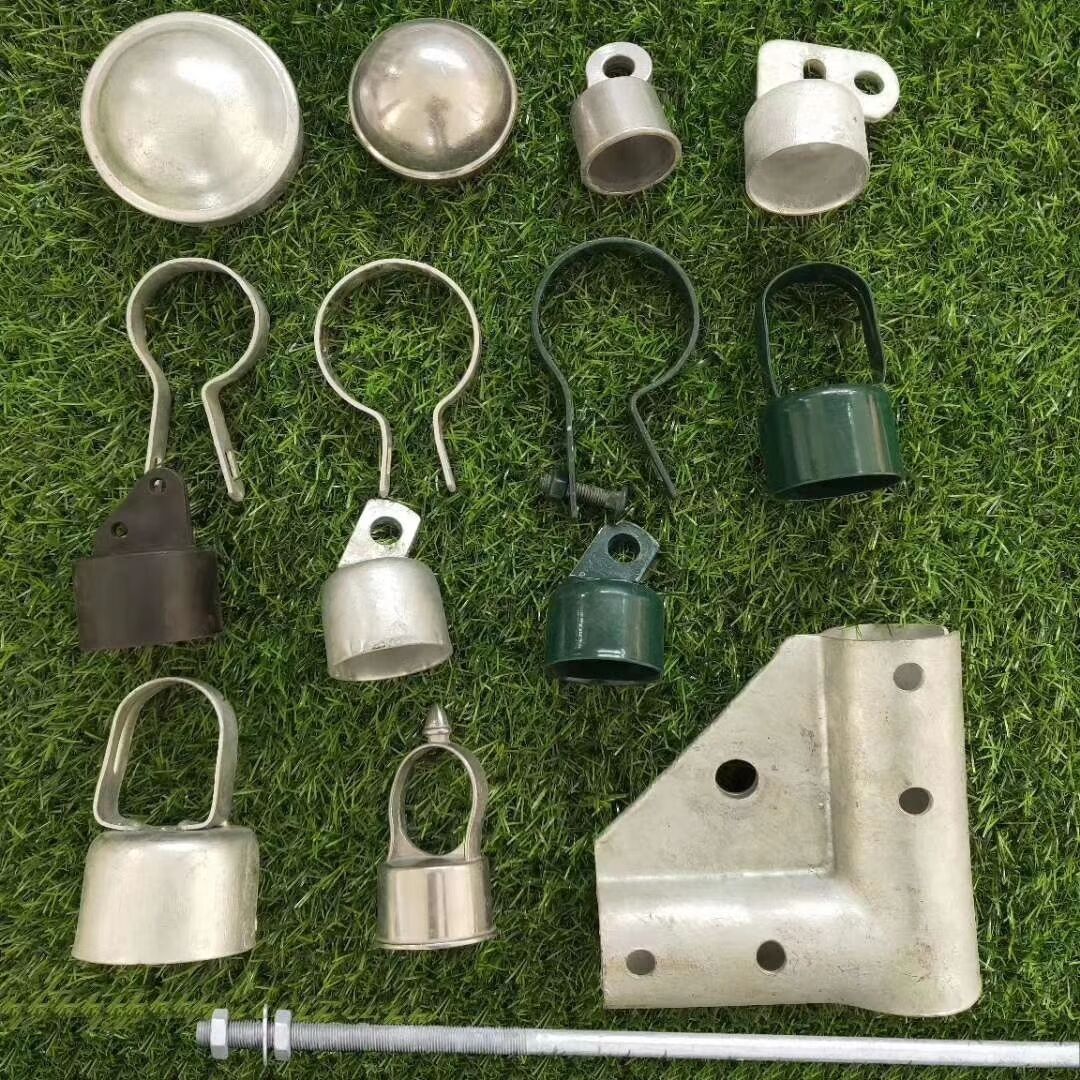
Essential Chain Link Fence Hardware Components and Their Roles
Tension Bands, Bars, and Bracing: Distributing Load Across Posts
The tension bands go around those terminal posts to hold the tension bars in place. These are basically steel rods that get woven into both the top and bottom edges of the chain link fabric. When winds blow or something hits the fence, this whole system spreads out the sideways force across several posts instead of letting one spot take all the pressure, which stops the fence from sagging over time. Things like rail ends and those diagonal supports really strengthen up the corners and ends of fences because that's where most of the heavy lifting happens structurally speaking. Get everything installed right and the fence can bend just enough during storms without losing its shape completely. But mess up the setup? Well, nobody wants their fence flopping around after a big wind event.
Tie Wires, Hog Rings, and Clamps: Securing Fabric Without Sacrificing Tensile Strength
The fasteners basically make even connections between the fabric material and the structural frame without causing damage. For instance,镀锌 tie wires get threaded through those mesh links every 12 inches apart. Then there are those hog rings that look like little C-shaped clamps, letting workers attach things quickly while keeping the galvanized coating intact. Welding is different because it tends to create spots that are just waiting to break under stress. These alternative methods keep the wire strong throughout its length, something that really matters when dealing with security fencing or installations in areas prone to strong winds.
Post Caps, Rail Ends, and Gate Fittings: Enhancing Durability, Safety, and Functionality
Post caps keep water out of those hollow posts which really cuts down on rust forming inside and helps maintain how strong the whole structure stays over time. The rail ends are there too, shielding those open ends of tubes from getting wet and collecting dirt and grime. When it comes to gates, we're talking about some serious hardware here. The hinges can handle three times what the gate itself weighs, so they won't give way anytime soon. And those latches? They're built to last through at least 15 thousand opens and closes before needing replacement. All these parts working together mean fences tend to last around 40% longer than ones without them. Plus, no more worrying about kids or pets bumping into sharp metal edges that could cause injuries.
Matching Chain Link Fence Hardware to Height, Use Case, and Environmental Demands
Height-Based Hardware Sizing: Band Count, Spacing, and Material Selection (Galvanized vs. Stainless Steel)
The height of a fence has a big impact on what kind of hardware we need and how dense it should be. When dealing with fences between six and eight feet tall, most experts recommend spacing those tension bands about 18 to 24 inches apart. This helps handle all that extra wind pressure without the whole thing coming apart. For regular installations away from the coast, galvanized steel works great and saves money while still resisting rust pretty well. But if the fence will sit near saltwater, next to factories, or where they spread road salt in winter, stainless steel becomes a must. We've seen time and again that stainless lasts roughly twice as long as galvanized options in these tough spots. Gauge size also plays a role here. Most folks go with 9-gauge hardware when security or commercial strength is needed. The lighter 11-gauge stuff tends to work fine for home use where things aren't quite so intense.
Gate-Specific Hardware Requirements: Why Load Distribution Differs from Linear Runs
Gates create these special twisting forces that just aren't found on regular straight fence runs, which means they really do need some special strengthening work. When building them, contractors often install those double braced posts, throw in some additional tension bands around the pivot areas, and definitely go for those heavy duty hinges if they want to stop the fabric from getting all warped or sagging over time. Most commercial quality gates actually end up needing about half again as many tension bands compared to what's used on the rest of the fence line next to them. And let's not forget about those drop rod latches plus torque rated closures too. These little extras make such a big difference when it comes to keeping things secure and making sure the gate lasts through years of constant opening and closing at those main access points.
Proper Installation Sequence for Reliable Chain Link Fence Hardware Performance
The 'Loose-to-Tight' Method: Timing Tension Bands and Tie Wires to Maximize Fabric Integrity
Start off by attaching those tension bands to the posts first, then connect the mesh itself. This helps keep the fabric from getting stressed out too early on. Put the tie wires in place across their full spacing range, but don't pull them tight yet. After everything's laid out where it needs to be, slowly tighten those tension bars and clamps. Begin at the corners and gradually move towards the middle section. Going through this process step by step really makes a difference for how things hold up over time. It spreads the weight evenly across the whole setup, keeps the mesh looking good instead of warped, and stops it from sagging down after months of hanging around. People who've done it right report that both the hardware components and the actual fabric tend to last about 30 percent longer than when folks rush through or skip balancing the tension properly.
FAQ
What are tension bands used for in chain link fences?
Tension bands are used to hold tension bars in place on terminal posts, distributing force across multiple posts and preventing sagging.
Why is stainless steel preferred over galvanized steel near saltwater?
Stainless steel is preferred near saltwater because it resists corrosion better than galvanized steel, lasting roughly twice as long in harsh conditions.
What's the role of hog rings in chain link fencing?
Hog rings are C-shaped clamps used to attach the wire mesh to the structural frame without damaging the galvanized coating, maintaining tensile strength.