
 EN
EN
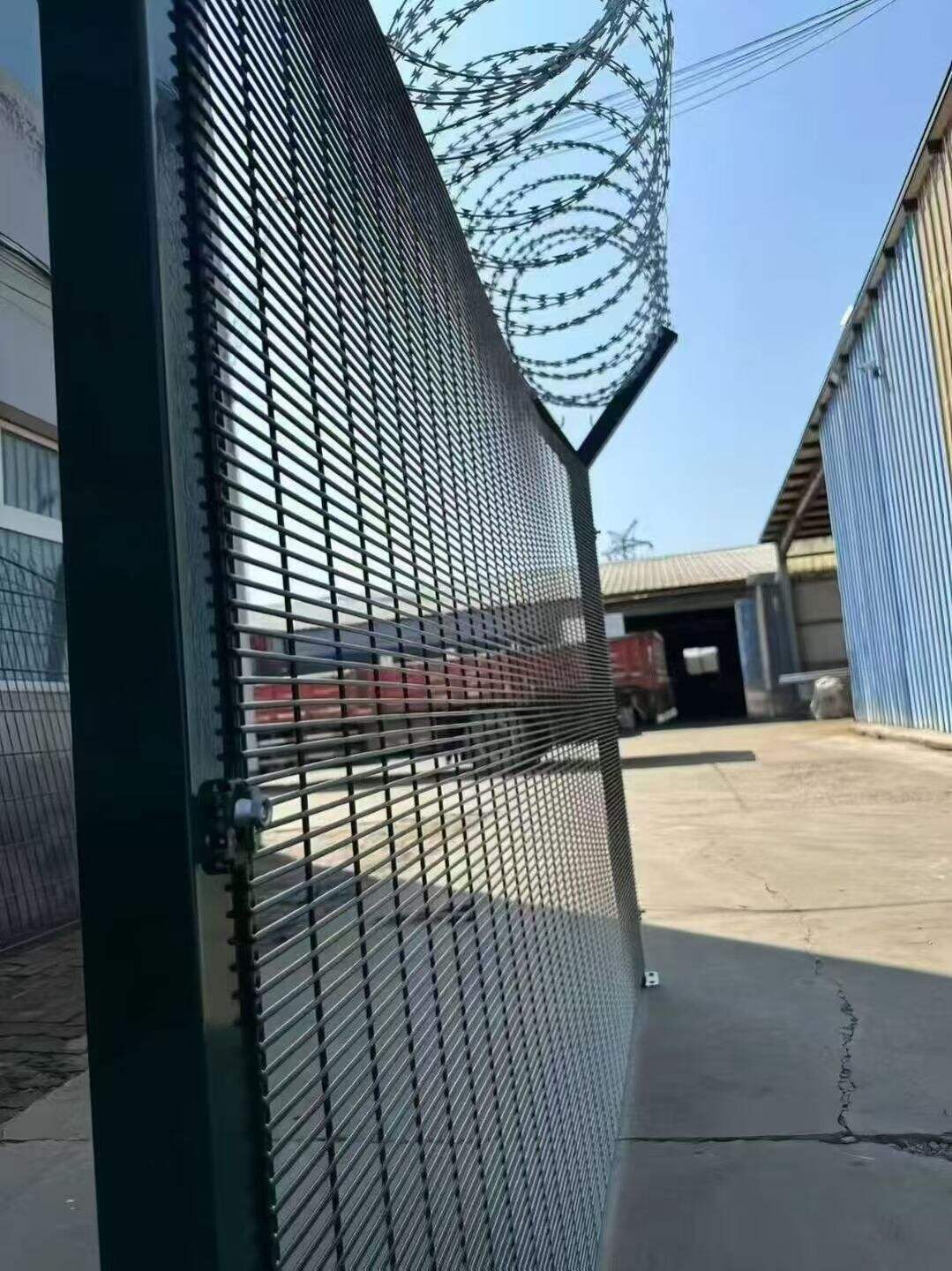
Engineering Superiority: How the 358 Anti-Climb Fence Delivers Unmatched Physical Deterrence
Geometry, wire thickness, and stiffening bends: The science behind true anti-climb and anti-cut performance
What makes the 358 anti climb fence so secure? Look no further than those carefully measured openings measuring about 76.2 by 12.7 mm. These dimensions are specifically chosen because they prevent fingers and toes from getting purchase, staying comfortably below the magic number of 100 mm where people can actually get a grip. The fence also features steel wires around 4 to 5 mm thick that have been bent in special ways at each junction point. This clever design spreads out any force applied to the mesh, making it much harder for intruders to cut through or bend the structure manually. Compared to regular welded mesh which typically has bigger gaps and thinner wires (often under 3.5 mm), the 358 model packs in about 34 percent more material per square inch. This increased density turns what was once just a barrier into something actively discouraging would be climbers based on solid engineering principles rather than mere aesthetics.
Performance validation: Tensile strength, tool resistance, and deformation thresholds vs. standard welded mesh
Tests have shown that the 358 fence really stands out when looking at basic security performance. The thing can take almost three times the pulling force compared to regular welded mesh before breaking apart completely. That means it stays strong even when someone tries to pull on it for extended periods. What makes this fence special is how it handles attempts to break through. When using bolt cutters, intruders need about eight whole minutes to make one cut through the fence, whereas normal mesh gets cut in just under a minute. Looking at impact tests too, there's not much bending or denting either. Even when hit with something weighing over 500 kilograms, the maximum bend stays below five centimeters. Most standard fences would buckle under similar conditions. All these features work together to slow down anyone trying to get in, which matters a lot for places that face serious security threats. Every extra second counts when security teams are responding to breaches.
Real-World Proven Effectiveness Across Critical Infrastructure
Strategic deployment in prisons, airports, military bases, and energy facilities — aligning threat profile with 358 anti-climb fence capabilities
The 358 fence isn't just another standard security option. Instead, it's designed specifically based on actual threats, with engineering features that match exactly what different sites need to stay secure. Prisons install this fencing because the small vertical gaps (less than 76mm) and thick 5mm wire make it impossible for inmates to get a grip or cut through the barrier. That helps stop escapes and keeps contraband from getting inside. Airports use the version with 12.7mm spacing between horizontal wires since this allows guards to see clearly across runways while still stopping unauthorized people from entering restricted areas. For military bases, the real selling point is how strong the material is over 1,200 Newtons per square millimeter and those special bends in the metal that make climbing nearly impossible. Energy plants go even further by choosing galvanized versions that won't rust away when exposed to harsh weather conditions. These panels stand up to attacks lasting days without failing. Every time someone installs 358 fencing, they're making sure their property has protection against everything from simple break-ins to sophisticated attempts at damage or theft.
UK MoD case study: 92% reduction in perimeter breach attempts after installing certified 358 anti-climb fence panels
The UK Ministry of Defence (MoD) provides definitive real-world validation: certified 358 anti-climb fence panels reduced perimeter breach attempts by 92% across 12 facilities. Monthly incidents dropped from an average of 17 under prior chain-link fencing to just 1.4 post-installation. The MoD attributed this outcome to three interlocking advantages:
- Tool resistance: Bolt cutters required over 8 minutes per cut—versus 45 seconds on standard mesh
- Climb prevention: 85° angled bends eliminated footholds, increasing climb time from 9 to 22 seconds
-
Detection advantage: Reduced visual obstruction enabled guards to identify 78% more intrusion attempts
The result was a transformation in perimeter security economics—annual patrol costs fell by £310k, while detection-to-intervention rates at monitored sites rose from 34% to 91%.
Balanced Design Integrity: Visibility, Durability, and Intrusion Delay in One System
The 76.2 × 12.7 mm aperture and 4.0–5.0 mm wire gauge — optimizing surveillance clarity without compromising security
The 358 fence design tackles that age old problem where security usually means sacrificing visibility. With an aperture size of 76.2 by 12.7 mm, it gives great sightlines for both cameras and people watching the area, which is really important for knowing what's going on around the perimeter. At the same time, the holes are just small enough that nobody can get a good grip to climb through. The wire itself measures between 4.0 to 5.0 mm thick, made from hardened steel with those extra bends added for strength. Tests show these fences hold up way better than standard ones when someone tries to cut them or scale them. Some numbers back this up too: fences with bigger holes over 100 mm tend to have about 40% more break ins that go unnoticed. And if the wire is thinner than 3.5 mm, most will snap within less than a minute under bolt cutters. What makes this fence stand out is how smooth everything feels and fits together so tightly. Security personnel can monitor areas effectively while still keeping intruders at bay without having to choose one benefit over another.
Compliance, Certification, and Long-Term Value of 358 Anti-Climb Fence Solutions
The 358 certified anti climb fence systems actually tick all boxes when it comes to international security standards like LPS 1175 A1 from BRE Global (2023) and ASTM F2656-20. These aren't just random specs either they've been put through their paces with proper third party testing for forced entry attempts. When facilities need protection for things like power plants or water treatment centers, meeting these standards means fewer headaches down the road with regulations and potential lawsuits. What makes these fences really stand out though is how they hold up over time. The galvanized steel construction resists corrosion incredibly well. Real world tests show something remarkable too about 0.5mm of material loss every ten years even near saltwater coastlines where regular fences would rust away much faster. This kind of longevity means companies don't have to replace them as often which cuts maintenance bills significantly around 40% cheaper than standard fencing options. And let's face it, saving money on replacements while avoiding costly security breaches? That's what good business looks like in the long run.
FAQ Section
What is the main advantage of the 358 anti-climb fence?
The 358 anti-climb fence is designed to provide unmatched physical deterrence with its optimal geometry, wire thickness, and special bending techniques, making it extremely challenging to climb or cut through.
How does the 358 anti-climb fence improve security compared to standard welded mesh?
The 358 anti-climb fence offers enhanced performance with almost three times the tensile strength, longer cutting periods for bolt cutters, and superior resistance to bending or denting under impact tests.
Why is the 358 anti-climb fence commonly used in high-security areas like prisons and military bases?
Its high density, strong material, and design specifics like small apertures and strong wire make it ideal for high-security areas by preventing both escape and unauthorized entry.
What are the economic benefits of installing 358 anti-climb fences?
Beyond enhanced security, installing these fences can significantly reduce patrol costs and maintenance expenses over time due to their long-lasting, corrosion-resistant materials.
Table of Contents
- Engineering Superiority: How the 358 Anti-Climb Fence Delivers Unmatched Physical Deterrence
- Real-World Proven Effectiveness Across Critical Infrastructure
- Balanced Design Integrity: Visibility, Durability, and Intrusion Delay in One System
- Compliance, Certification, and Long-Term Value of 358 Anti-Climb Fence Solutions
-
FAQ Section
- What is the main advantage of the 358 anti-climb fence?
- How does the 358 anti-climb fence improve security compared to standard welded mesh?
- Why is the 358 anti-climb fence commonly used in high-security areas like prisons and military bases?
- What are the economic benefits of installing 358 anti-climb fences?