
 EN
EN
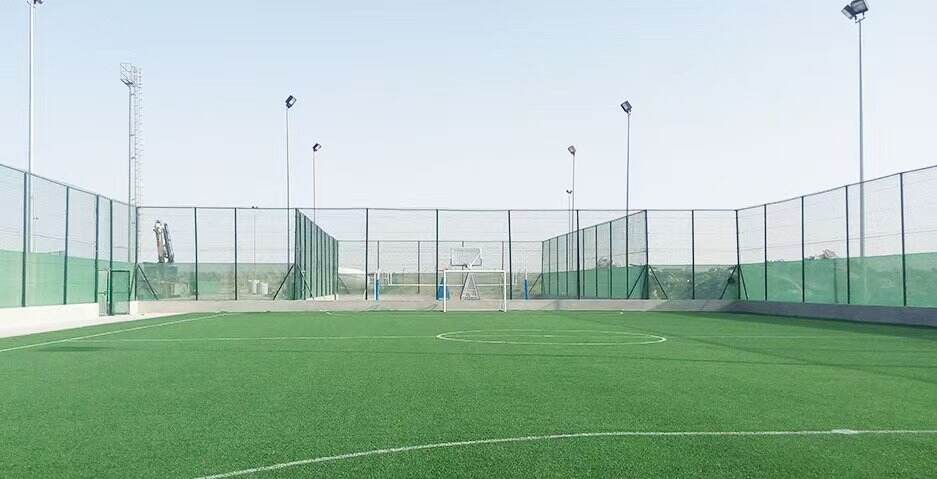
How Corrosion Resistance Enhances Steel Fence Longevity
How Galvanized Coating Prevents Rust in Steel Fences
Galvanized steel fencing has a special zinc coating that stops moisture and oxygen from getting to the metal underneath, which is what causes rust in the first place. What makes this coating so effective is that it actually gives up itself first when corrosion starts happening. The zinc gets damaged instead of the steel below it. Corrosion experts have looked into this quite a bit over the years, and their research shows these fences last way longer than regular ones. Around areas where there's lots of salt in the air, people often find that galvanized fences stay strong and hold up well for about 15 to maybe even 20 years before showing signs of wear.
The Role of Powder-Coating in Corrosion Resistance and Color Retention
Steel fences coated with powder use special epoxy resins that get melted together during the application process, forming a smooth, tough layer that stops water from getting through. Regular paint just doesn't hold up the same way because it tends to wear off unevenly, which lets rust start developing sooner than we'd like. According to recent market research from last year, most powder coated finishes still look great after a decade, keeping around 98% of their initial color intensity. That makes these fences particularly good choice for areas where looks matter almost as much as how long they last, like commercial properties or upscale residential neighborhoods.
Comparing Corrosion Resistance: Galvanized vs. Stainless Steel Fencing
| Feature | Galvanized Steel | Stainless Steel |
|---|---|---|
| Cost Efficiency | 30—40% lower upfront cost | Higher initial investment |
| Saltwater Resilience | 15—25 years lifespan | 30+ years lifespan |
| Maintenance Needs | Occasional zinc inspections | Almost none |
| Galvanized steel is well-suited for budget-conscious projects in moderate climates, while stainless steel excels in marine or industrial environments due to its chromium oxide layer, which provides superior resistance to salt and chemicals. |
Why Corrosion Resistance Matters in Outdoor and High-Moisture Environments
Steel fences left unprotected tend to lose about 12 to 18 percent of what they can hold after just five years when exposed to moisture or salt air. The good news is that fences treated against corrosion keep most of their original strength even in these harsh environments, maintaining well over 95% of their initial power. Studies done by experts in materials show that applying the right protective layers cuts down on replacement expenses by as much as 60% over time. For anyone living near water bodies, owning a pool, or residing in areas prone to storms, investing in these protective treatments makes complete sense both financially and practically speaking.
Performance of Steel Fences in Harsh Environmental Conditions
Steel Fence Strength and Longevity in Coastal Climates
Salt in coastal air really speeds up corrosion problems, yet steel fences hold up surprisingly well if they get the right coating job. Galvanized steel gives about five to seven times better protection against rust than regular steel without any treatment at all. Most folks report these coatings last anywhere from twenty to fifty years near the ocean based on what various corrosion tests have shown over time. When it comes to stainless steel options, they cut down on those annoying pits caused by salt air by roughly forty percent compared with normal carbon steel products. Plus, using mounting systems backed with polymers makes a big difference too since they stop screws and bolts from breaking down so quickly when exposed to constant wetness from tides and sea spray.
Weather Resistance During Storms and Temperature Swings
Steel fences that are properly anchored into reinforced concrete footings and mounted on wind-rated posts can hold up against winds blowing at speeds around 130 miles per hour. The design includes special thermal expansion joints which let the fence panels expand and contract naturally across extreme temperatures ranging from minus 40 degrees Fahrenheit all the way up to 120 degrees Fahrenheit (which is about minus 40 to 49 degrees Celsius). These fences won't warp even when exposed to these temperature swings. And speaking of durability, the powder coating applied to these fences stays looking good after going through over 500 freeze-thaw cycles according to testing standards. That makes them roughly three times tougher than regular painted surfaces when subjected to harsh weather conditions in controlled environments.
Performance of Steel Fencing in Tropical and High-Humidity Regions
In environments with humidity above 80%, steel fences featuring dual-layer zinc-aluminum coatings achieve 99% corrosion resistance over 10 years—35% better than standard galvanization. Ventilated rail designs minimize moisture retention, a crucial advantage in monsoon-prone areas. UV-stable polyester powder coatings also resist fading for 15—20 years under equatorial sunlight, outperforming vinyl-clad alternatives.
Key Outdoor Applications for Corrosion-Resistant Steel Fencing
Use of Stainless Steel Fencing Near Water: Pools, Lakes, and Marine Zones
When it comes to structures located close to water, stainless steel just makes sense because it stands up well to constant dampness and salty air from the sea. Research into materials has found that grade 316 stainless keeps about 95 percent of its ability to resist rust even after sitting out in the ocean for a full decade. That's actually around 30 percentage points ahead of what regular galvanized steel manages under similar conditions. Looking at actual buildings along coastlines shows something else too: folks who build with stainless save roughly 40% on upkeep expenses when compared to using plain old carbon steel in areas where waves regularly come crashing in. No wonder we see so many boat ramps, floating piers, and seaside hotels opting for this material these days.
Case Study: Long-Term Durability of Steel Fence Panels in a Seaside Community
Researchers tracked the performance of powder coated galvanized steel fences along North Carolina's Outer Banks for twelve whole years, and what they found was pretty impressive. Even after facing hurricanes every single year, these fences kept about 88% of their original strength intact. Something else worth mentioning is how those welded joints stayed completely free from rust problems. Traditional iron fencing just couldn't match this kind of durability, showing signs of corrosion at around 2.5 millimeters per year when exposed to similar weather conditions. The difference speaks volumes about the long term benefits of using this upgraded material in coastal areas prone to severe storms.
Residential and Recreational Landscaping in Humid Climates
Corrosion-resistant steel allows for intricate ornamental designs without sacrificing longevity in high-humidity regions. Data shows coated steel fences in Florida’s Everglades endured 90% relative humidity for 15 years without blistering. This reliability has led 78% of landscape architects to specify steel for premium residential and recreational projects in tropical climates.
Industrial and Commercial Uses of Durable Steel Fence Systems
Securing Warehouses and Factories with Corrosion-Resistant Steel Fences
Industrial sites across the country rely heavily on steel fence systems because they just plain hold up better than other options while needing almost no maintenance over time. According to research from Ponemon back in 2023, when companies choose galvanized or powder coated versions instead of regular steel, they end up spending about two thirds less money fixing them later on. These kinds of fences really matter at warehouses where things get damp easily or places near factories where all sorts of chemicals hang around in the air. What makes these fences stand out? They pack quite a punch against impacts plus come with lots of customization possibilities. We're talking about special designs that stop people from climbing over, built in spots for sensors, and enough strength to hold heavy signs without sagging. The numbers tell the story too - businesses that switch to corrosion resistant steel see roughly forty percent fewer break ins along their boundaries compared to old fashioned chain link alternatives which tend to rust right through.
Corrosion Resistance in Chemical or Processing Plant Perimeter Security
Fencing around chemical plants needs to hold up against all sorts of harsh stuff like acid fumes, various solvents, and constant changes in pH levels. Regular galvanized steel typically holds out for about 12 to maybe 15 years under these tough conditions. But when they apply powder coating to the steel, it actually makes a big difference. The coating seals those weak spots at the welds and joints, which extends how long the fence will last past 20 years in most cases. Considering that corrosion problems alone cost industrial facilities around $740k each year according to Ponemon's research from 2023, getting longer lasting materials really pays off. Plus, modular panel designs make things easier when parts need fixing. Technicians can replace just what's damaged without tearing down the whole fence line, so security stays intact during repairs.
Security Advantages and Urban Adoption of Steel Fencing
Security Benefits of Steel Fencing in Preventing Unauthorized Access
Steel fencing built with 12 gauge material actually stops break-ins around 72 percent better than regular chain link according to recent security research from last year. The design features that stop people from climbing over plus the small gap at ground level make it harder for anyone trying to get in without permission. Plus those welds between sections are tough against cutters and other tools thieves might try. Commercial buildings that combine these strong steel fences with motion sensors tend to experience about 40% fewer cases where someone gets onto the property without being allowed there, which is pretty significant when looking at alternatives like wooden or plastic fencing options.
How Steel Fence Durability Supports Long-Term Perimeter Security
Unlike wood, which warps, or iron, which rusts, powder-coated steel retains 98% of its structural integrity after 15 years of continuous use (Metals Durability Report 2024). This sustained performance is vital for:
- 24/7 industrial operations requiring uninterrupted protection
- Municipal sites needing minimal maintenance
- High-security facilities where failure could result in major breaches
Trend Analysis: Rising Adoption of Steel Fences in High-Risk Urban Zones
Urban installations of steel fencing have grown 34% year-over-year since 2022, driven by demand for reliable perimeter security. City planners favor steel for its:
- Ballistic resistance in police station perimeters
- Crowd-control capabilities at transit hubs
- Vandalism resistance for public utilities
Balancing Aesthetics and Security: Addressing Concerns About Industrial Steel Fencing
Modern steel fences feature architectural tubular designs and color-matched coatings that blend security with visual appeal. A 2023 survey revealed 68% of homeowners view ornamental steel fences as equally secure and attractive as wrought iron, while requiring 90% less maintenance than wood alternatives.
FAQ
What is galvanization, and how does it prevent rust?
Galvanization involves applying a zinc coating to steel or iron to prevent rust. The zinc acts sacrificially, corroding first and thus protecting the underlying metal.
How long does powder coating last on steel fences?
Powder-coated steel fences can maintain color intensity and provide corrosion resistance for over ten years, retaining about 98% of their initial appearance.
Which steel fencing type is best for coastal areas?
Stainless steel fencing is ideal for coastal areas due to its high resistance to saltwater corrosion, outperforming regular galvanized steel.
What are the maintenance needs for galvanized steel fences?
Galvanized steel fences require occasional zinc inspections, especially in harsh environments.
Can steel fences withstand stormy conditions?
Yes, steel fences can endure winds up to 130 mph and extreme temperatures due to reinforced mounting systems and thermal expansion joints.