
 EN
EN
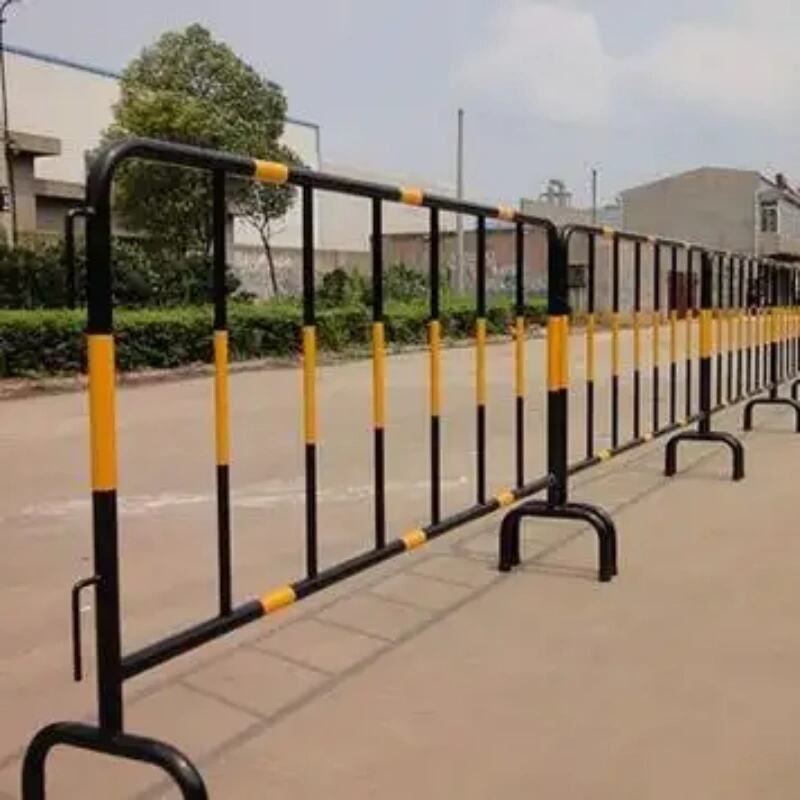
Public Events: Ensuring Safety and Flow with Crowd Control Barrier
Large-scale gatherings demand meticulous crowd management, where crowd control barrier serves as the foundational tool for maintaining order and safety. Strategically placed barriers transform chaotic environments into structured spacesâreducing incident risks while enhancing attendee experience.
Concerts and Festivals: Managing High-Energy, Dense Crowds
High-density events like festivals leverage barriers to:
- Prevent dangerous crowd surges near stages
- Create designated flow channels between attractions
- Separate VIP zones from general admission areas
- Establish emergency service corridors for rapid response
In 2023, events using perimeter barriers reported 40% fewer crowd-related incidents compared to non-barricaded venues (Event Safety Journal). The physical boundaries guide movement naturally, allowing security teams to focus on proactive monitoring rather than reactive containment.
Marathons and Sporting Events: Guiding Pedestrian Movement and Separating Spectators from Routes
Barriers create critical spatial divisions at races and games:
- Securing athlete routes from spectator encroachment
- Forming organized queuing systems at transit points
- Preventing accidental entry into active vehicle lanes
- Channeling post-event exit flows to avoid bottlenecks
A clear separation between participants and observers is non-negotiable for incident prevention. When crowds exceed 5,000 people, structured barricade systems reduce collision risks by up to 62% (Public Space Management Review 2024).
Transportation Hubs: Optimizing Queue Management and Access Control with Crowd Control Barrier
Crowd control barriers turn those hectic transportation hubs into something resembling order and safety. We see them everywhere these days at airports and train stations where they help form neat lines and clear paths for people moving through. A recent study from 2024 found that this organization actually cuts down on waiting time when boarding flights by about 30 percent. When placed right, these barriers stop the usual traffic jams forming near security areas and departure gates. Plus, the colors and signs on them give travelers directions without needing anyone to shout instructions over loudspeakers.
Streamlining Passenger Flow at Airports and Train Stations
Barriers segment crowds into manageable lines, accelerating processing at ticket counters and customs. They establish clear pedestrian channels that prevent cross-traffic collisionsâparticularly vital during peak hours when stations handle over 20,000 travelers daily. Integrating signage with barrier systems further enhances navigation efficiency, reducing passenger confusion by 45% (Transit Safety Journal 2023).
Deterring Unauthorized Access in High-Traffic Transit Corridors
Security barriers around restricted areas such as baggage handling spaces and control centers stop unauthorized access effectively. The way these barriers are built together makes it hard for people to mess with them, and their heavy bases can handle bumps from passing equipment without tipping over. Along train lines, these barriers form actual walls between platform edges and the tracks themselves. The Federal Transit Administration actually reports that places using these systems see about 60 fewer trespassing cases per year compared to those without. What's really useful is how easy they are to move around when needed. During emergencies or when train schedules change unexpectedly, maintenance crews can rearrange sections quickly without needing special tools or extra parts lying around.
Construction and Industrial Sites: Using Crowd Control Barrier for Perimeter Security and Risk Mitigation
Establishing Clear Boundaries Around Active Work Zones
Crowd control barriers mark off construction zones and industrial areas where people shouldn't go, stopping accidents from happening in dangerous spots. The temporary fencing keeps workers safe from curious onlookers and protects folks walking nearby from things like falling rocks, open machines, and deep holes being dug. Those bright orange barriers really help when it gets dark outside, showing people exactly where they should walk safely. Industry reports from last year show these barriers cut down on unauthorized entries by about two thirds, which means fewer problems for companies too. Plus, since they can be put up fast, contractors can move them around as needed without losing protection while working on ever-changing job sites.
Emergency Response and Crowd Dispersal: Strategic Crowd Control Barrier Deployment
Integrating Barriers into Evacuation Plans and Egress Pathways
Good evacuation plans need temporary crowd control barriers placed in smart spots to keep people moving safely out during emergencies. These barriers stop traffic jams forming in crowded spaces and help direct folks towards the exits marked as safe. When things get smoky or dark, having clear paths makes all the difference in keeping people calm. The barriers also create space between those leaving and emergency workers coming in, so firefighters and medics can reach injured people faster. Event organizers should map out where barriers go ahead of time, making sure there's enough room for everyone including those who use wheelchairs or have other mobility needs. According to a recent safety check in 2023, venues that had their barriers set up before an emergency happened saw evacuation times drop by around 37% compared to places that tried to improvise on the spot. Well thought out exit routes with properly spaced barriers stop stampedes caused by panic because they eliminate confusing dead ends and keep people going in the right direction.
FAQ
-
Why are crowd control barriers essential at public events?
Crowd control barriers help maintain order, enhance safety, and improve the overall experience by creating structured spaces and guiding the flow of people. -
How do barriers improve safety at concerts and festivals?
They prevent crowd surges, designate flow channels, separate different areas, and allow for emergency service access, thus reducing incidents by about 40%. -
What is the impact of crowd control barriers at transport hubs?
They reduce waiting times by about 30% and prevent traffic jams at key transit points, ensuring smoother operations. -
Can barriers be integrated into emergency plans?
Yes, strategically placed barriers facilitate safe evacuations by directing pedestrian flow and reducing confusion and panic during emergencies.
Table of Contents
- Public Events: Ensuring Safety and Flow with Crowd Control Barrier
- Transportation Hubs: Optimizing Queue Management and Access Control with Crowd Control Barrier
- Construction and Industrial Sites: Using Crowd Control Barrier for Perimeter Security and Risk Mitigation
- Emergency Response and Crowd Dispersal: Strategic Crowd Control Barrier Deployment