
 EN
EN
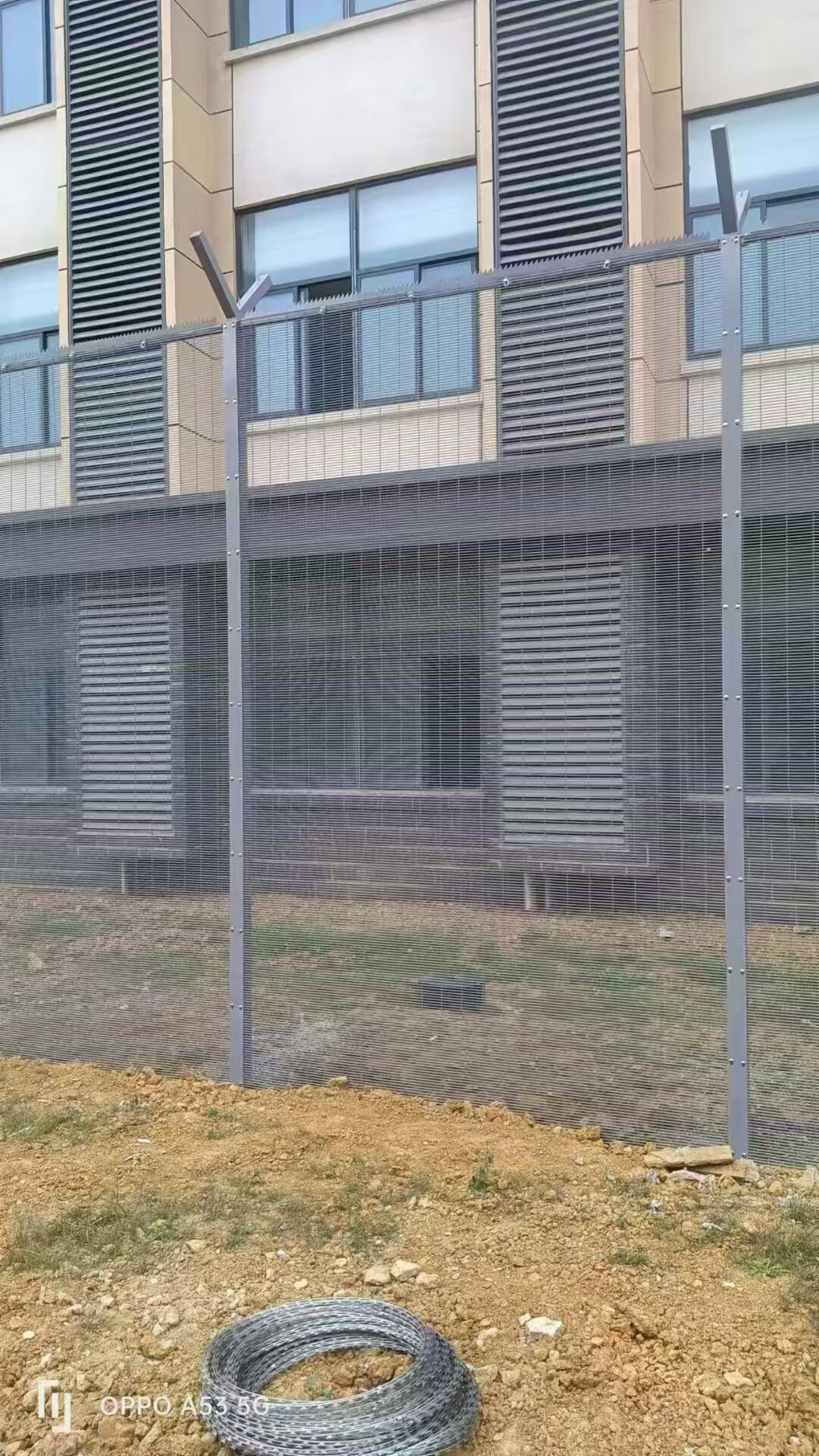
Residential Security Needs: Why Standard Fencing Isn't Enough
Most regular home fences look nice and offer some privacy, but they really don't stop determined intruders. People breaking in know exactly where to go after the horizontal bars on standard fences, especially since many are only around five or six feet tall. The materials used also bend easily when someone climbs up. We're talking about over a million attempted break-ins every year across the country. When homes get broken into, it typically costs around seven hundred forty thousand dollars according to recent studies, which shows just how much money homeowners lose because their fences aren't secure enough. Anti-climb fences work differently from those plain wooden pickets or flimsy chain links. These special security fences have been designed so there's nowhere for fingers or toes to grab hold. They feature straight vertical surfaces and tricky angles that make climbing nearly impossible. With all the break-ins happening these days, switching to these tougher fence options isn't just smart anymore it's practically necessary for anyone serious about protecting their property.
Key Anti-Climb Fence Design Features for Homes
Vertical-only profiles, curved tops, and no footholds: engineering true climb resistance
Effective anti-climb fences prevent access by eliminating footholds through vertical-only construction and curved tops. Tight aperture spacing—under 3.5 inches—removes finger grips, while smooth, rounded surfaces deny handholds. Research shows that openings smaller than 1.2 inches cause 73% of climbers to abandon attempts due to instability. Key engineering principles include:
- Vertical orientation: Removes horizontal supports that aid climbing
- Anti-cut materials: Galvanized steel retains 95% structural integrity after 15 years
- Curved tops: Create unstable balance points, discouraging attempts
This design meets ASTM F2656-20 standards for perimeter security, transforming passive fences into active deterrents.
Optimal height and anchoring: why 6–8 ft anti-climb fence installations deter intruders effectively
Height significantly influences security performance. Anti-climb fences between 6 and 8 feet create both psychological and physical barriers:
- Intruder psychology: Heights over 6 feet signal strong security, deterring 89% of opportunistic trespassers
- Anchoring systems: Concrete footings extending 3+ feet underground resist leverage attacks
- Structural reinforcement: Angled base designs prevent lifting or cutting attempts
Studies show that 8-foot installations reduce breach attempts by 2.5× compared to standard 4-foot fences. Proper anchoring also extends service life beyond 15 years, aligning with CPNI guidelines for critical infrastructure protection.
Material, Aesthetics, and Privacy in Residential Anti-Climb Fence Selection
Balancing security with curb appeal: powder-coated steel, composite, and privacy-enhanced mesh options
Picking out an anti climb fence involves finding that sweet spot between keeping things secure and making sure it looks good in the yard. Powder coated steel stands out because it lasts longer and fights off rust, which matters a lot if someone lives near the beach or in a damp climate. The matte finish options come in colors like black, green, maybe even bronze, and these tend to match pretty well with most outdoor spaces while standing up to sun damage over time. When property sits close to power lines or other electrical stuff, going for non conductive composites makes sense since they cut down on dangers such as accidental electricity leaks through the fence material itself.
Privacy-enhanced mesh uses tightly woven patterns to block visibility without sacrificing strength. These designs prevent handholds while allowing airflow and natural light. When selecting materials, consider:
| Factor | Security Priority | Aesthetic Priority |
|---|---|---|
| Durability | Corrosion-resistant alloys | Matte/satin finishes |
| Privacy | No-grip micro-mesh | Color-matched to surroundings |
| Climate Fit | UV/salt-spray resistance | Minimal visual bulk |
Avoid raw chain links or horizontal rails, which provide climbing aids. Prioritize rounded tops and vertical-only profiles to maintain security without an industrial look. Leading suppliers offer custom heights (6–8 ft) and textures that deter intrusion while complementing architectural styles.
Installation, Compliance, and Long-Term Value of Your Anti-Climb Fence
HOA approvals, zoning laws, and setback requirements for residential anti-climb fence projects
Check what the local rules say before putting up an anti climb fence. Many towns cap backyard fences at around six to eight feet tall, while front yard fences usually have stricter height limits. Homeowners Associations frequently need approval ahead of time for both materials and design choices so the whole neighborhood looks consistent. There are also setback requirements most places enforce, asking for space of about two to four feet between the fence line and actual property boundary. Failing to follow these guidelines might lead to unpleasant surprises like getting fined or having to tear down part of the fence later on. It pays off to stop by city hall for zoning info and carefully read through any HOA documents that apply to make sure everything checks out before breaking ground on this home improvement project.
Low-maintenance durability: corrosion resistance, warranty coverage, and ROI over 10+ years
Anti climb fences made from premium materials offer real value over time because they're built to last. The galvanized steel frames plus those powder coat finishes stand up to rust pretty well, so most folks find their fences still standing strong after around 15 to 20 years with hardly any maintenance needed. When shopping around, check if the warranty covers at least 10 years for both corrosion issues and manufacturing flaws since this kind of coverage really matters when making a home investment. Studies show that over ten years these durable fences can cut down replacement expenses by about 60 percent compared to regular fencing solutions while keeping trespassers out effectively throughout that period. Homeowners who install them generally see good returns on their money thanks to ongoing security benefits and minimal repair costs down the road.
Frequently Asked Questions (FAQ)
What makes anti-climb fences more secure than standard fences?
Anti-climb fences feature vertical-only profiles, curved tops, and no footholds, making it extremely difficult for intruders to climb them compared to standard fences.
Are anti-climb fences aesthetically pleasing?
Yes, modern anti-climb fences offer options like powder-coated steel and privacy-enhanced mesh that combine security with curb appeal.
Do I need permission from authorities before installing an anti-climb fence?
It is essential to check with local zoning laws and Homeowners Associations (HOA) for approvals and compliance before installing an anti-climb fence.
What materials are recommended for anti-climb fences?
Galvanized steel and non-conductive composites are recommended for durability, corrosion resistance, and safety.
Are anti-climb fences a good long-term investment?
Yes, they provide low-maintenance durability, with potential warranty coverage stretching over 10 years and reducing long-term costs.