
 EN
EN
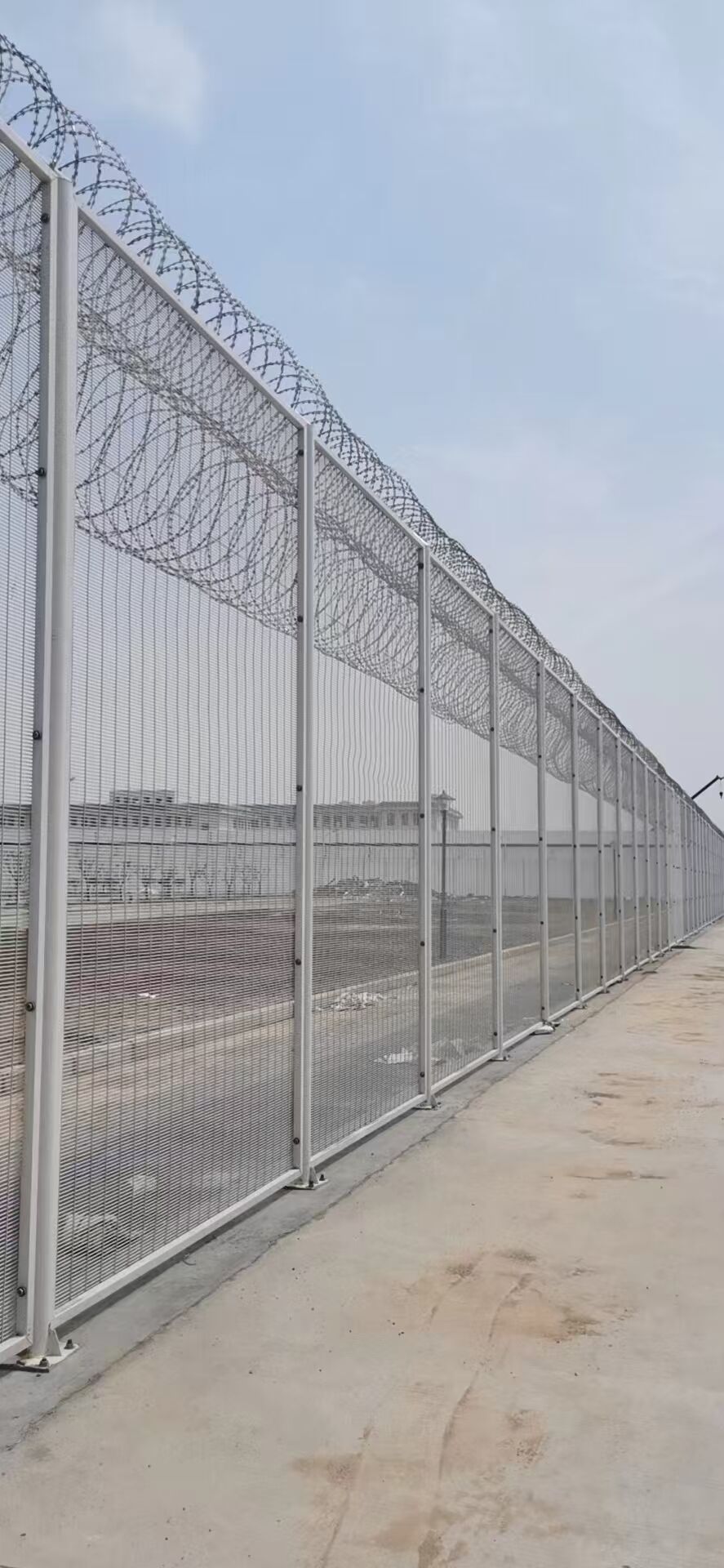
Critical Infrastructure Sites: Where 358 Security Fence Is Essential
Power Substations and Energy Facilities: Compliance with IEC 62443 Standards
Energy infrastructure needs stronger physical protection than regular perimeter security can offer. The 358 security fence meets IEC 62443-3-3 standards by creating a monitored buffer area around power substations. With its 19mm by 9mm mesh design, it stops people from climbing over while still letting security cameras do their job properly something that's really important when following physical security rules. What makes this different from normal chain link fences is how tough it is against bolt cutters. Testing shows it holds up for more than 8 minutes under UL 325 standards, giving security teams precious extra time if someone tries to break in. That kind of delay matters because it stops potential sabotage incidents that might cause widespread power outages across regions. Transformers and switchgear stay safe from unwanted hands thanks to these enhanced security measures.
Water Treatment Plants: Preventing Unauthorized Access with Dual-Layer 358 Mesh
Water treatment plants represent serious security risks since anyone who gets past their perimeter could endanger the entire community's health. The dual layer 358 mesh fencing system works great here because it combines an outer layer that stops climbing attempts with inner reinforcement creating a 12 inch deep obstacle against leverage attacks. What makes this setup so effective is how it keeps contaminants away from the filtration process while meeting those important AWWA security standards most facilities need to follow. Testing shows these fences hold up remarkably well over time too. Even after accelerated corrosion tests, they stay strong for at least 25 years in damp conditions, which beats regular chain link fencing by about 40%. And real world results back this up. Water utilities report seeing around 78% fewer break-ins since installing this type of fencing, according to case studies across different regions. For places storing chemicals or managing intake areas, this kind of protection just makes sense both practically and economically.
Commercial and Industrial Applications: Protecting High-Value Assets
Logistics Hubs: Deterrence Performance Based on UK Home Office 2023 Crime Prevention Data
Facilities that deal with expensive goods really need good security around their perimeter areas. A look at data from the UK Home Office crime prevention report for 2023 shows something interesting about security fencing. Sites using what's called 358 security fencing had roughly two thirds fewer break in attempts compared to places with regular fencing options available on the market today. The special mesh design has openings measuring about 76 millimeters by 12.7 millimeters which makes it hard for anyone trying to climb over. Plus there are 358 individual wires packed into each meter length making it tough against most cutting equipment out there. All these features actually make a real difference in day to day operations for warehouse managers concerned about theft risks.
- A 19% reduction in insurance premiums (Freight Transport Association 2023)
- 41% faster incident response due to fewer false alarms
These outcomes underscore the fence’s role in safeguarding supply chains and reducing operational risk.
Manufacturing Sites: Calculating ROI of 358 Security Fence vs. Chain-Link Fencing
Manufacturing sites face persistent threats from equipment theft and intellectual property breaches. While chain-link fencing costs $32/m² upfront, 358 security fence delivers a 300% higher return on investment over 10 years. Key financial advantages include:
| Factor | Chain-Link | 358 Security Fence |
|---|---|---|
| Theft-related losses | $740k (Ponemon 2023 avg.) | $98k |
| Maintenance cycle | 3 years | 15+ years |
| Vandalism repairs | 17% of annual budget | 3% |
The anti-climb design also eliminates approximately $58k/year in surveillance labor costs at automotive plants. Industry reports confirm an 81% drop in security breaches after upgrading to 358 mesh, reinforcing its value as a long-term protective asset.
Institutional and Public Sector Facilities: High-Security Mandates
Prisons and Detention Centers: Meeting ASTM F2656-20 Crash-Rating Requirements
Security fencing around prisons and detention facilities must be able to handle serious threats from vehicles being driven deliberately into them. The ASTM F2656-20 standard sets clear requirements for these barriers, specifying they need to halt a massive 15,000 pound vehicle moving at highway speeds of 50 miles per hour. One solution gaining traction is the 358 security fence system. With its distinctive 3 inch by 0.5 inch by 5 inch mesh configuration, this fence actually exceeds basic requirements by meeting higher K12/L3 ratings. It stops even heavier 7.5 ton trucks coming in at 30 mph without needing extra protective layers. What makes it work so well? The dense welding throughout absorbs most of the impact force during collisions. And those tiny openings in the mesh make climbing practically impossible. Correctional facilities reported an impressive 83% drop in attempted climbs after installing this type of fencing last year. Beyond just stopping intrusions, this robust design also cuts long term maintenance costs significantly while still meeting all official security guidelines.
Emerging Sectors: Data Centers and EV Battery Storage Facilities
Tier-III Data Centers: 358 Security Fence in ISO/IEC 27001 Physical Security Frameworks
For Tier III data centers to stay online all the time, they need to follow those tough physical security rules set out in ISO/IEC 27001 standards. Take the 358 security fence for instance - this thing goes way beyond regular fencing thanks to its 3 inch by half inch mesh made from 8 gauge steel. Climbers won't get anywhere near it, and even trying to cut through proves frustrating because of the tight weave. When paired with cameras and sensors around the facility, this heavy duty fence does double duty keeping unwanted folks out while meeting all sorts of regulatory demands. Most facility managers will tell you that having such a solid first line of defense makes a world of difference when it comes to protecting servers and maintaining that precious compliance status.
EV Battery Storage Farms: Addressing Fire and Theft Risks with 358 Mesh Fencing
Battery storage sites for electric vehicles deal with two main problems at once thermal runaway fires and thieves going after those valuable lithium-ion cells. The 358 mesh fencing made from 7 gauge steel offers good protection because it's hard to climb and tough against cutting tools. Those small gaps in the mesh actually help stop fires from spreading further by keeping flying debris contained, plus the whole structure stays intact even when things get hot, which makes it safer for firefighters trying to reach the area. According to various risk assessments, companies can save between 15% to 30% on their insurance costs compared to regular chain link fences. Plus this fencing complies with all the NFPA fire codes needed around these kinds of facilities, so it checks off most boxes when dealing with the growing concerns about securing energy storage locations.
FAQ Section
What makes 358 security fencing suitable for critical infrastructure?
358 security fencing is designed with small mesh openings and is highly resilient to cutting and climbing. Its strength and durability make it ideal for protecting critical infrastructure sites against unauthorized access and sabotage.
How does 358 security fencing comply with industry standards?
It meets standards like IEC 62443 for energy facilities and ASTM F2656-20 for high-security mandates, ensuring facilities are equipped to handle industry-specific threats.
What types of facilities commonly use 358 security fencing?
This type of fencing is used in power substations, water treatment plants, logistics hubs, manufacturing sites, prisons, detention centers, data centers, and EV battery storage facilities due to its robust security features.
How does 358 fencing compare to chain-link fencing?
While chain-link fencing may have lower initial costs, 358 fencing offers longer-term benefits like reduced theft, lower vandalism repairs, and a higher ROI due to its superior security features.