
 EN
EN
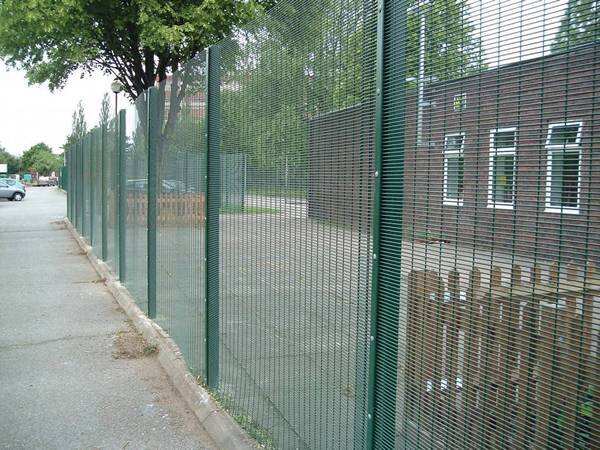
Material Selection and Surface Protection for Long-Lasting Anti Climb Fence
Comparative Lifespan: Welded Wire Mesh, Steel Palisade, and Precast Concrete Anti Climb Fence
The type of material used has a big impact on how long anti climb fences will hold up over time. Welded wire mesh typically lasts around 15 to 20 years and is relatively cheap to install. But there's a problem at those weld points where rust tends to start forming unless the mesh has really good, even galvanization coverage. Steel palisade fences generally stick around for about 25 to 30 years because those vertical posts make it harder for someone trying to climb over them using leverage. Still worth noting though that those powder coated finishes need checking regularly since any scratches can let moisture get to the bare metal underneath. Precast concrete options are by far the longest lasting, often going beyond 40 years with almost no upkeep needed. They handle impacts well thanks to their strong compressive qualities. However these concrete structures do have weaknesses too. In areas with freezing temperatures followed by thawing cycles, the concrete can crack unless they include steel reinforcement inside. Looking at failure patterns across all materials, welded mesh usually starts breaking down at connection points first, steel palisades tend to bend when someone applies force in specific spots, and concrete will chip away if not properly cured during manufacturing.
Galvanized Chain Link as the Benchmark: Corrosion Resistance and Tensile Strength Metrics
When it comes to performance that can be measured and repeated time after time, galvanized chain link is pretty much the gold standard in the industry. The amount of zinc coating matters a lot here, as specified by ASTM A641 standards ranging from G60 to G90, and meeting ISO 1461 requirements too. We know what to expect from these coatings: around 610 grams per square meter gives us about 20 years of good service in average weather conditions. The steel used is 11 gauge, which means it has tensile strength above 800 MPa, making it tough enough to stand up against bolt cutters. Testing shows that properly treated chain link holds up eight times better against corrosion compared to those without any coating at all in salt spray tests. All these numbers and specs explain why this material remains the go to reference point when assessing new types of anti climb fencing solutions on the market today.
Why High-Strength Materials Fail Without Adequate Surface Protection
Strong alloys still break down pretty fast if they don't have proper surface protection. Take carbon steel for instance - it basically falls apart after about five years near the coast because saltwater causes those little pits to form all over it. Then there's sunlight messing things up too. When polymers in vinyl coatings get hit by UV rays day after day, they start cracking and losing their flexibility at around 40% per year. And let's not forget about wind carrying tiny particles that wear away protective layers, leaving materials vulnerable to rust and other forms of corrosion. A major manufacturer did some accelerated tests recently and discovered something shocking: high tensile steel that wasn't protected lost nearly two thirds of its strength after only 1,000 humidity cycles. The good news is we've got options like hot dip galvanizing and ceramic coatings that serve as shields against these environmental attacks. These treatments take the brunt of the damage themselves so the actual material underneath stays intact longer.
Environmental Exposure and Its Direct Impact on Anti Climb Fence Durability
Coastal, Industrial, and Arid Climates: Regional Data on Anti Climb Fence Service Life Decline
The environment really takes its toll on anti-climb fences over time, which means we need to think about what kind of weather they'll face when installing them for proper security. Take coastal areas for instance salt spray from the ocean air gets all over these fences and makes them corrode much quicker than ones installed further inland. Some studies show degradation happens around 40 percent faster there. Then there's industrial areas where things get even worse because of acid rain and all sorts of chemicals floating around in the air. Fences near factories tend to lose their zinc coatings at about triple the rate compared to cleaner locations. And don't even get me started on desert climates! The constant sand blowing against the fence wears down those protective layers, plus intense sunlight breaks down polymers and weakens metals so they just aren't as strong anymore after years of exposure. Real world testing shows these environmental factors cut into fence longevity quite dramatically across different regions.
| Environment | Avg. Service Life Reduction | Primary Degradation Factor |
|---|---|---|
| Coastal | 30–40% | Salt-induced corrosion |
| Industrial | 25–35% | Chemical/acid exposure |
| Arid | 20–30% | UV + particulate abrasion |
UV Degradation in Vinyl-Coated Anti Climb Fence and Structural Integrity Loss
Prolonged sun exposure causes irreversible photodegradation in vinyl-coated anti climb fence systems. UV radiation breaks down polymer chains within two to three years, initiating surface micro-cracks that widen during thermal cycling. This leads to:
- Brittleness development: Vinyl loses 60% flexibility after 5,000+ UV hours
- Coating delamination: Weakened adhesion exposes underlying metal to corrosion
-
Color fading: Reduced solar reflectivity increases heat absorption and thermal stress
Compromised coatings accelerate rust formation at critical load-bearing joints—reducing impact resistance by over 50% within eight years, per accelerated weathering studies.
Corrosion Resistance: The Core Determinant of Anti Climb Fence Longevity
Galvanization Thickness (Zinc Coating Mass) and ISO 1461 Compliance for 20+ Year Performance
When it comes to how well something lasts over time, galvanization thickness matters more than just the strength of the base material itself. The actual weight of zinc coating on surfaces, usually measured in grams per square meter, is really what counts most. Systems that meet ISO 1461 standards need at least 70 to 85 microns thick coatings to stand up to harsh conditions for two decades or more when tested under accelerated salt spray conditions. Look at fences installed in coastal areas that don't reach this minimum standard—they corrode three times faster, and their structures start failing between five and seven years after installation. Even if we're using high quality steel, it doesn't matter much if there isn't enough zinc protection covering it all. Rust starts forming at tiny cracks and works its way inward, gradually weakening everything from within. Anyone wanting their structures to last should always check for proper third party certifications regarding coating weights, making sure they match up with whatever specific environmental challenges those structures will face throughout their service life.
Key Compliance Checks:
- Minimum 70 μm zinc coating for moderate industrial exposure
- 85 μm+ for coastal or high-humidity installations
- Batch test reports validating ISO 1461 adherence
Failure Analysis:
| Non-Compliant Factor | Service Life Reduction |
|---|---|
| Sub-50 μm coating | 60–70% shorter lifespan |
| Inconsistent galvanization | Localized corrosion hotspots |
Structural Performance Under Real-World Loads: Wind, Impact, and Vandalism Resistance
Wind resistance is a major concern for anti-climb fence design. These barriers need to hold up against winds that can blow over 90 miles per hour in open areas. Most engineers recommend adding internal supports and digging foundation posts down at minimum three feet below ground level to fight off those uplifting forces from strong gusts. Steel has something going for it though - when hit by powerful winds, it bends instead of breaking apart completely. This matters a lot along coastlines where hurricanes regularly tear through poorly built security fencing systems. We've seen plenty of failures in places that didn't account for this basic principle of material behavior under extreme conditions.
Impact and Vandalism Resistance Relies on Material Science
Real-world perimeter threats include both deliberate breaches and environmental debris. Sustained performance depends on three evidence-based criteria:
- Yield strength exceeding 55 ksi (per ASTM A572 Grade 50 standard)
- Welded joints with shear resistance greater than 50 kN
- Absence of external footholds below 2.5 m height
Fences missing these attributes degrade 72% faster in high-traffic zones, according to peer-reviewed perimeter security studies. Proper engineering ensures functional resilience—not just initial compliance.
FAQ Section
What factors affect the longevity of anti climb fences?
The longevity of anti climb fences is influenced by material selection, surface protection, environmental exposure, and structural performance under real-world loads.
Why is galvanized chain link considered the industry standard?
Galvanized chain link is considered the industry standard due to its excellent corrosion resistance and tensile strength, having undergone extensive performance testing against environmental factors.
How do environmental factors impact the durability of anti climb fences?
Environmental factors such as coastal salt spray, industrial chemical exposure, and arid climate conditions can significantly reduce the service life of anti climb fences through accelerated corrosion and material degradation.
Table of Contents
- Material Selection and Surface Protection for Long-Lasting Anti Climb Fence
- Environmental Exposure and Its Direct Impact on Anti Climb Fence Durability
- Corrosion Resistance: The Core Determinant of Anti Climb Fence Longevity
- Structural Performance Under Real-World Loads: Wind, Impact, and Vandalism Resistance
- FAQ Section