
 EN
EN
Site-Specific Risk Factors That Challenge Temporary Fence Stability
Wind loads and environmental exposure (urban canyons, open sites, coastal zones)
The amount of wind hitting construction sites can be all over the map, which really affects how well temporary fences hold up. Think about those tight spaces between tall buildings in city centers where wind gets funneled through like it's going through a tube. Gusts there sometimes hit over 60 kilometers per hour, putting serious sideways pressure on regular fencing materials until they start to bend or break. Out in open areas, the problem is different but just as bad. Wind keeps blowing steadily for hours on end, so special support structures become necessary. Coastal locations present their own headaches too. Saltwater air eats away at metal components while storm season brings winds that blow past 100 km/h regularly. Because of these varied conditions, contractors need fencing specifically designed to handle wind stress with proper reinforcement. Standard fence setups tend to collapse completely when local wind speeds jump 40% above normal levels, and then those broken panels turn into flying hazards that nobody wants near workers or equipment.
Ground conditions: soil type, slope, compaction, and urban vs. roadside variability
What kind of soil we're dealing with and the landscape itself really affects how well anchors hold in place. Sandy soils found along coastlines just don't grip spike anchors nearly as good as compacted clay does, sometimes dropping their effectiveness by around two thirds. When the ground slopes more than five degrees or so, there's definitely more chance of things slipping sideways. For structures going up in cities on concrete surfaces, bolt down systems become necessary. Roadside fences face another challenge too since they need to stay put despite constant vibrations from passing vehicles. Something worth noting is that soil density changes across even small areas, which creates spots where everything might suddenly become unstable. Because of this variability, different anchoring methods work best depending on conditions. Soft ground calls for T bar anchors generally speaking, whereas those heavy duty ballast blocks are better suited for pavement surfaces if we want to avoid any structural failures down the road.
Proven Anchoring and Ballast Strategies for Temporary Fence Security
Ground-anchoring methods: steel spikes, T-bar anchors, and bolt-down systems by soil class
The type of soil makes all the difference when it comes to how well anchors hold up. Steel spikes work best in compacted gravel areas classified as Class B soils. They install quickly but won't stand up to much force in sandy ground or heavy clay. For deeper penetration, T-bar anchors are the go-to choice, especially in loose sand (Class C) and dry clay (Class D). However, if dealing with frozen ground or rocky terrain (Class A), some pre-drilling becomes necessary first. When working with hard surfaces like concrete, bolt-down systems perform exceptionally well thanks to expansion bolts that fight against sideways movement. 安装前一定要做土壤测试:沿海沙地需要T型锚深度至少24英寸;城市沥青路面则必须采用螺栓固定系统。
Ballast solutions: sandbags, concrete blocks, and jersey barriers â weight-to-height ratios for wind-rated stability
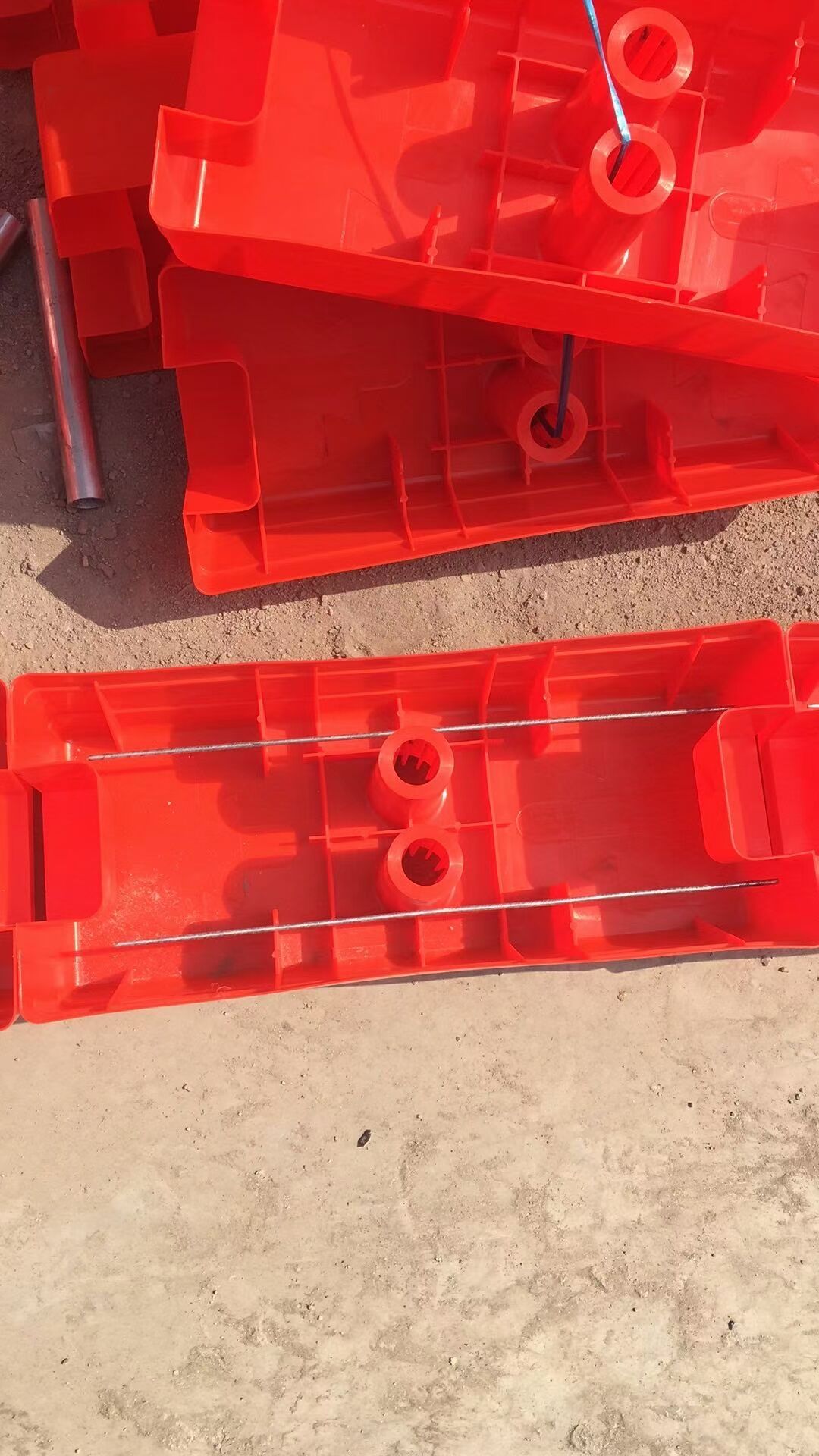
When permanent anchoring just won't work, non-penetrative ballast becomes the go-to solution for securing those temporary fence installations. Take sandbags for instance they give good flexibility but come with their own set of challenges. Most folks find they need at least eight standard 25kg bags per six foot section just to hold up against winds blowing around 30 miles per hour. Concrete blocks are another option that many contractors prefer because they pack serious weight into compact form. The typical 300kg unit works pretty well in areas with average wind conditions. But what about places where things get really intense? Coastal regions or those tight urban canyons between buildings? That's where jersey barriers shine brightest. These heavy duty structures weigh over a ton each and have those clever interlocking designs that make them practically impossible to tip over even in storm force conditions. And remember those important weight to height relationships we were talking about earlier?
| Fence Height | Low Wind (<30mph) | High Wind (>50mph) |
|---|---|---|
| 6 ft | 200 kg/post | 400 kg/post |
| 8 ft | 300 kg/post | 600 kg/post |
| Redistribute sandbags after rain and inspect concrete blocks for cracks to maintain wind-rated integrity. |
Structural Reinforcement and Correct Installation of Temporary Fence Systems
Bracing techniques: V-bracing and triangulated support for high-wind resilience
The V-brace system forms strong triangles between fence posts and panels that spread out wind pressure across several connection points instead of concentrating it all in one spot. Tests in wind tunnels indicate these braces cut down on panel bending by around 40% compared to fences without any bracing at all. For taller fences (over eight feet), another option is triangulated support with diagonal cross braces attached to heavy duty ground plates. These work pretty well too when dealing with high winds. Both approaches help fight against wind lift problems that plague areas near coasts or between buildings where sudden gusts often blow past fifty miles per hour. Getting the bracing right from the start prevents metal parts from wearing out at their weakest spots the joints which tend to give way first during bad weather events.
Installation best practices: panel alignment, three-point clamping, corner anchoring, and post spacing guidelines
Getting things right starts with using a laser level for panel alignment so everything sits evenly across the surface. When it comes to securing those panels, we recommend three points of contact - top, middle and bottom positions work best. This setup stops them from sliding around when winds pick up and allows space for materials to expand and contract naturally with temperature changes. For corner areas specifically, we need deeper foundations with solid concrete bases underneath because these spots take twice as much pressure compared to regular straight sections. Standard panels generally need posts no further apart than eight feet, but cut that down to six feet between supports if we're dealing with areas prone to strong gusts. Keep an eye on how tight those clamps are too, aiming for somewhere between 25 and 30 foot pounds of force. Check vertical alignment stays within plus or minus two degrees either way. Construction safety reports show following all these guidelines cuts down on installation problems by about two thirds, which makes sense given what happens when shortcuts get taken during assembly.
Compliance, Inspection, and Maintenance for Ongoing Temporary Fence Stability
Keeping temporary fences in good shape needs more than just showing up once in a while. A solid plan should include checking for problems every day, looking at how stable everything is about once a week, and doing thorough checks monthly to catch small issues before they become big ones. When something goes wrong, fix it right away whether that means tightening those wobbly connections, swapping out bent parts, or making sure those clamps are properly secured. Not following local rules can lead to serious trouble like getting shut down or paying hefty fines, so staying compliant isn't optional. And don't forget to keep records of everything checked and fixed. These documents aren't just paperwork; they show who did what when, help prepare for any inspections from authorities, and most importantly, let us learn from past mistakes to do better next time around.
FAQs
What are the most effective anchoring methods for different soil types?
Anchoring methods vary by soil type. Steel spikes are effective in compacted gravel areas (Class B soils), while T-bar anchors are suitable for loose sand (Class C) and dry clay (Class D). In rocky or frozen terrain (Class A), pre-drilling is sometimes necessary.
How can wind-related challenges be mitigated for temporary fences?
Using bracing techniques like V-bracing or triangulated support, applying ballast solutions, and selecting wind-rated materials can significantly enhance the wind resilience of temporary fences.
What are key maintenance practices to ensure ongoing stability of temporary fences?
Regular inspections, daily checks for problems, weekly stability assessments, and monthly thorough inspections are vital. Immediate repairs and compliance with local rules are also important for maintaining stability.