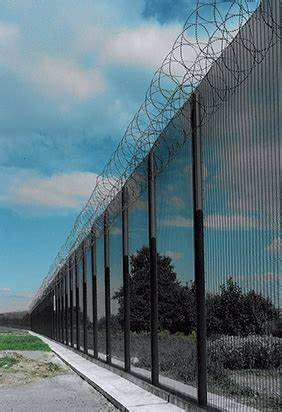
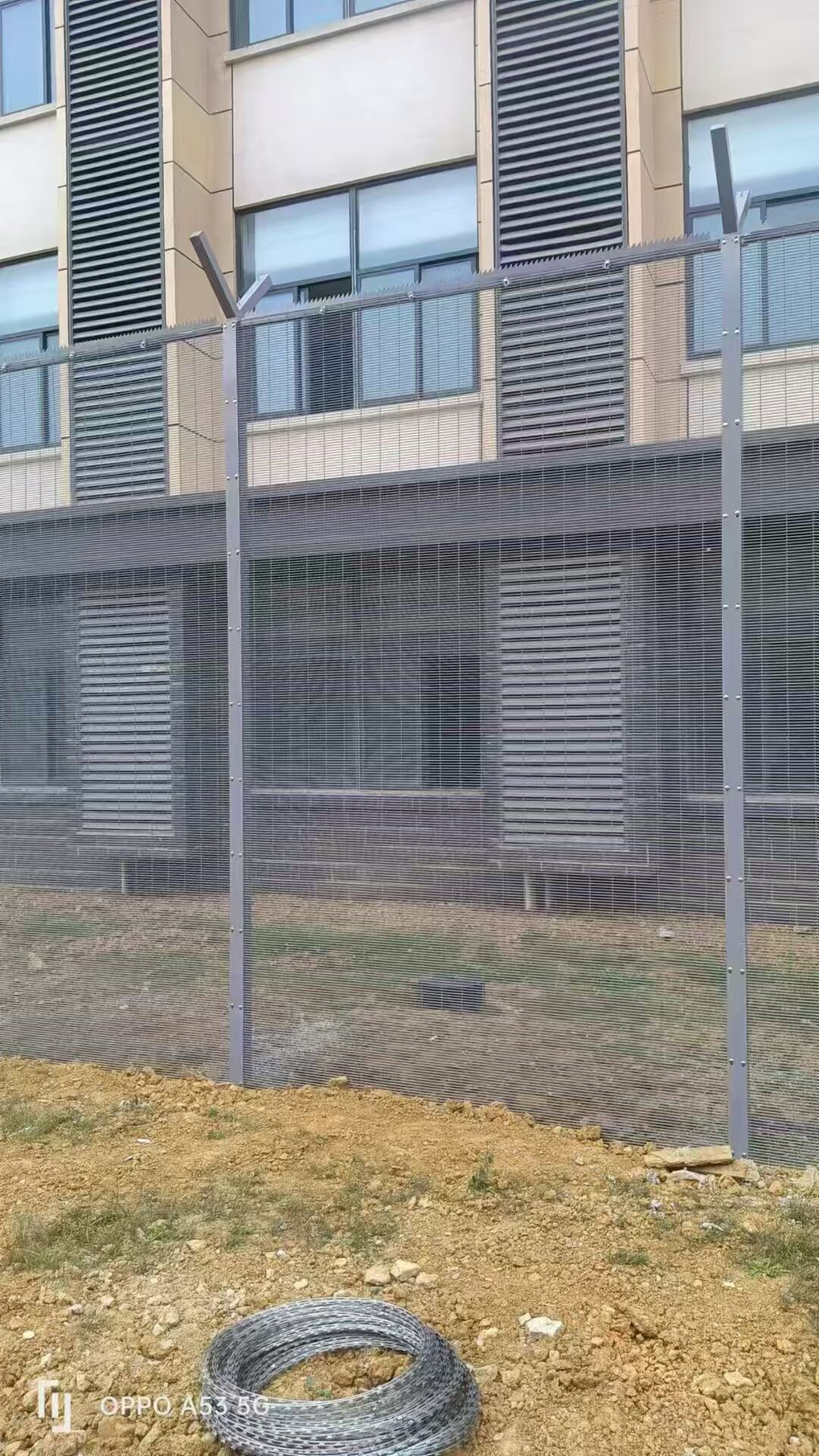
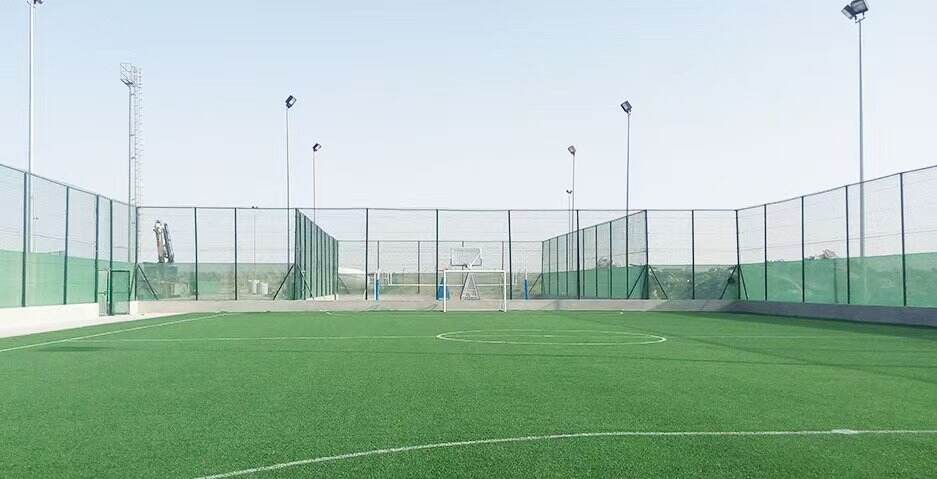
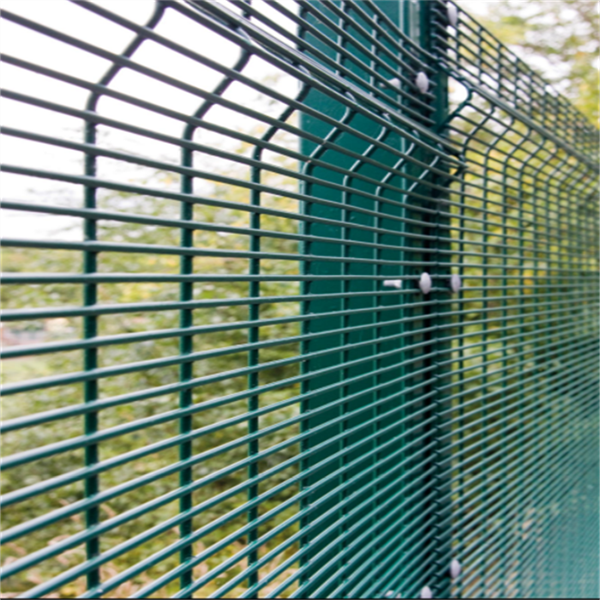
358 Anti Climb Fence represents advanced perimeter security technology through its engineered defeat of climbing methodologies using precision geometry and high-strength materials. The security principle operates on dimensional exclusion where the 12.7mm vertical openings prevent finger grip insertion while the 76.2mm horizontal spacing eliminates foothold possibilities, creating a surface that cannot be scaled without specialized equipment. Manufacturing quality begins with raw material selection of continuously cast steel billets that undergo controlled rolling to achieve fine-grained microstructure before precision drawing to final dimensions with surface finish of N5 per ISO 1302 standards. Production automation ensures consistent quality through vision-system guided robotic welders that maintain electrode alignment within 0.1mm tolerance while applying 14kA current for 2.5-second duration, creating fusion zones with shear strength of 52kN per weld point. Corrosion protection exceeds industry standards through application of zinc-aluminum-magnesium alloy coating (4% Al, 3% Mg) that demonstrates 500% improved corrosion resistance in cyclic weathering tests compared to conventional galvanizing, achieving protection class C5-M per ISO 12944 for extreme industrial environments. Security performance certification includes ASTM F2656-07 M50/P1 ratings for tool resistance, IWA 14-1 compliance for impact performance, and ISO 1461:2009 certification for hot-dip galvanizing quality. The system finds extensive application in critical infrastructure protection including water treatment facilities where its combination of security and ventilation prevents hazardous gas accumulation while restricting access to processing areas - documented implementations show successful prevention of vandalism attempts that had previously caused service disruptions. Government facility deployments utilize the fencing for secure compound perimeters where its transparency maintains architectural aesthetics while providing delayed entry exceeding 5 minutes against determined attackers, with particular effectiveness when integrated with microwave detection systems. Technical innovations include development of stainless steel versions for pharmaceutical clean rooms, aluminum alloys for non-corrosive environments, and composite materials for extreme weather conditions. Installation engineering requires specialized expertise including soil bearing capacity analysis, wind load calculations per ASCE 7-10 standards, and seismic design for active fault zones. For detailed technical data and application-specific configuration recommendations for 358 Anti Climb Fence systems, our engineering support team provides comprehensive consultation including threat assessment and design specification services.