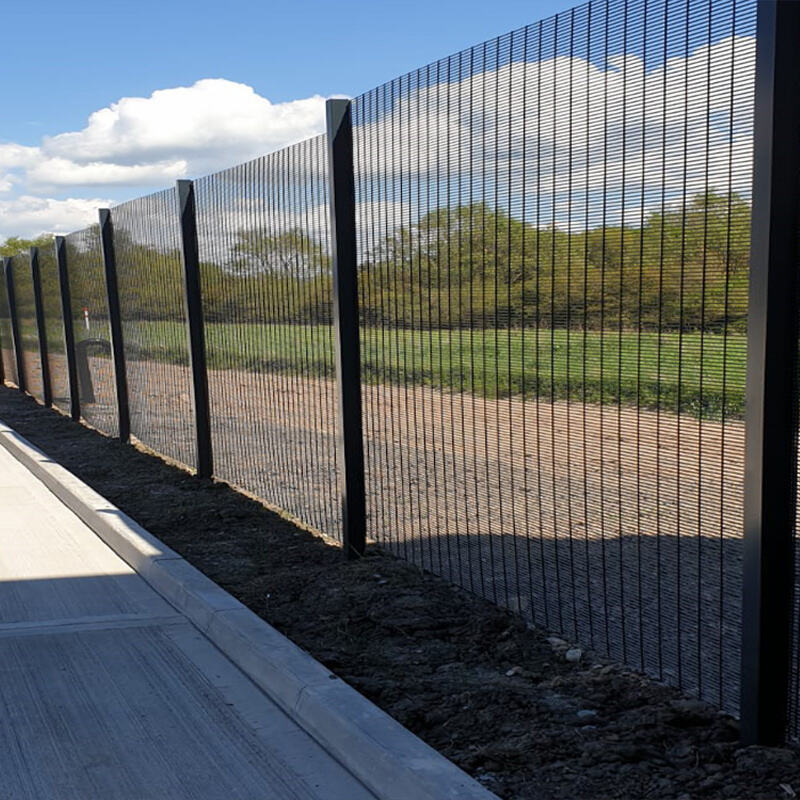
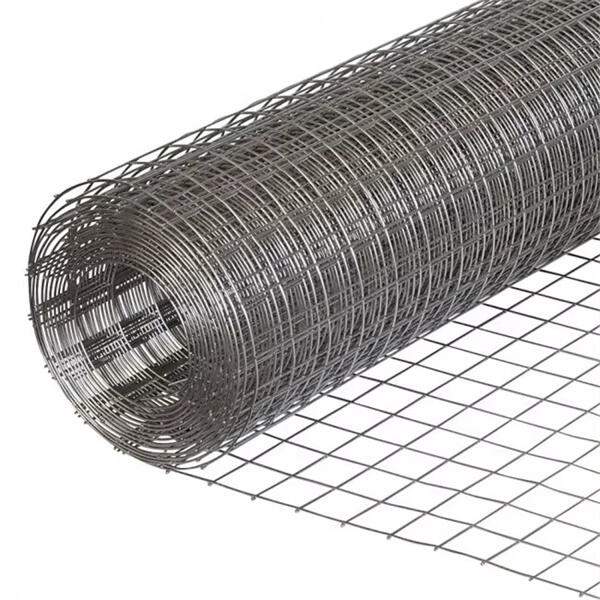
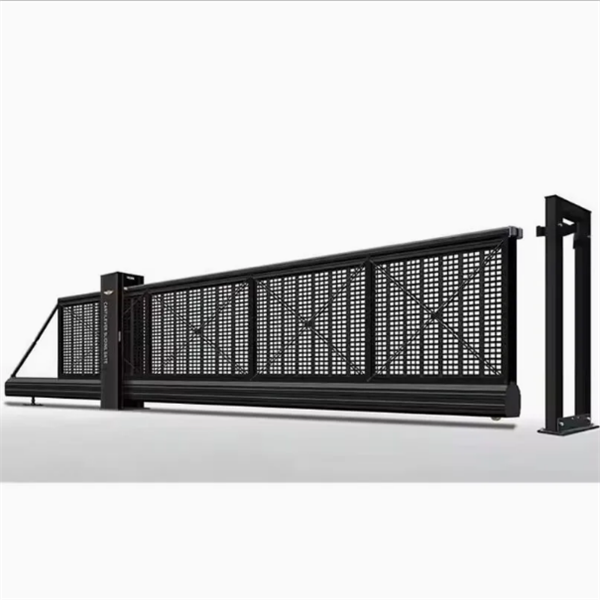
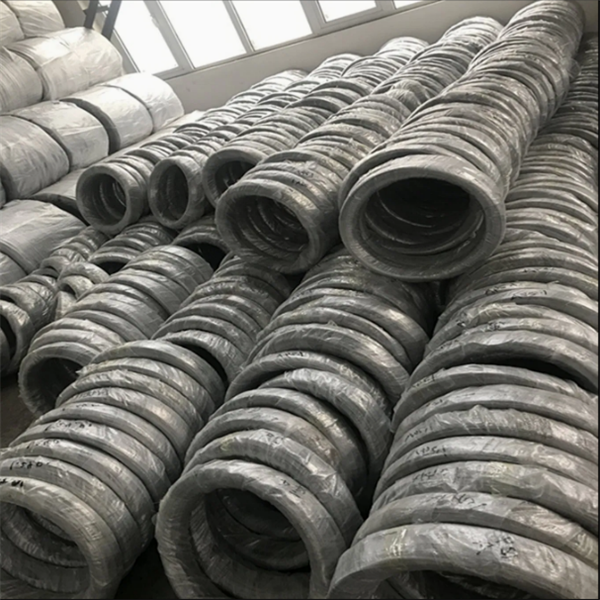
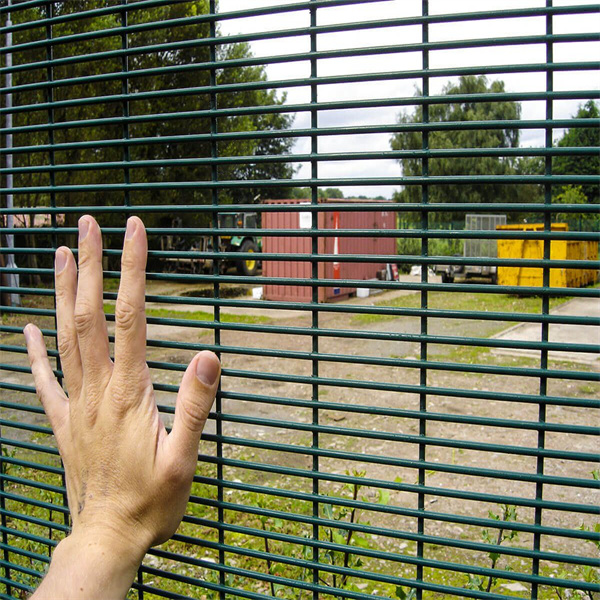
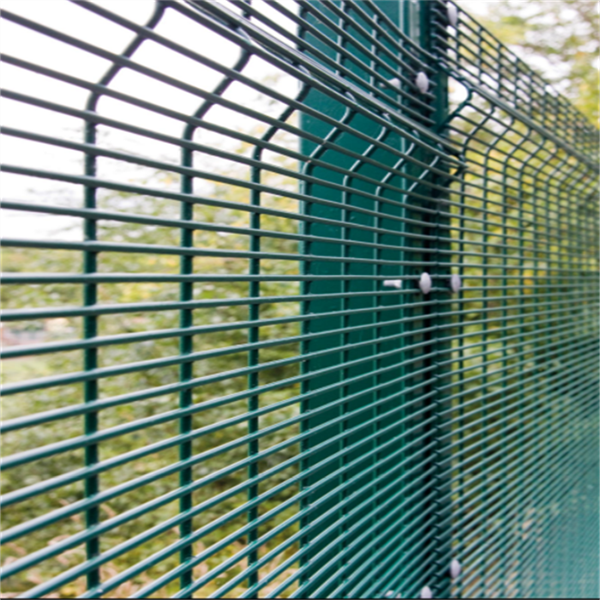
358 Anti Climb Fence, also known as prison mesh or security mesh, represents a high-strength barrier system engineered to deliver superior intrusion resistance through its unique 3-inch (76.2mm) pattern spacing, 0.5-inch (12.7mm) aperture gaps, and 8mm diameter wire rods. This specific geometric configuration creates an exceptionally dense and rigid grid structure that drastically reduces footholds and handholds, making it virtually impossible for individuals to gain sufficient leverage for climbing. The system's effectiveness stems from its robust construction methodology, typically utilizing S355 grade structural steel for core wires and S235 grade for cross wires, which are joined through full-depth automated resistance welding at every intersection. This manufacturing process ensures uniform weld strength exceeding 70% of the base material's tensile capacity, creating a monolithic panel that distributes impact forces evenly across the entire surface area. Modern production incorporates continuous hot-dip galvanizing to Z275 standards (275g/m² zinc coating) followed by optional powder coating to Class C4/C5 corrosion protection specifications, providing maintenance-free service life exceeding 25 years in industrial or coastal environments. The fence system's architectural integration requires specialized mounting solutions including anti-ram crash-rated posts (tested to IWA-14-1 standards) with foundation embedment depths calibrated to soil bearing capacity, complemented by 60-degree angled extension arms with outward-angled razor wire coils or electric fence integration. Primary deployment scenarios include critical infrastructure protection for electrical substations, water treatment facilities, and data centers where unauthorized access could cause catastrophic service disruptions. A documented case at Frankfurt Airport's perimeter demonstrated successful deflection of organized intrusion attempts through coordinated cutting and climbing, where the fence's wire density delayed breach time beyond the 4-minute security response threshold. Correctional facilities worldwide specify 358 mesh for exercise yard partitions and perimeter zones, with the UK's HM Prison Service reporting 87% reduction in contraband throwing incidents after installation. The system's design accommodates various threat levels through customized implementations - standard residential applications may utilize 4mm wires with 50mm frame sections, while high-security government installations often specify 6mm wires with 100x100mm RHS framing and seismic-rated concrete footings. Current technological evolution integrates smart monitoring capabilities including fiber optic vibration sensors embedded within mesh panels that can distinguish between environmental effects and genuine intrusion attempts with 99.2% accuracy, transmitting real-time alerts to centralized security operations centers. The fencing solution demonstrates particular efficacy in urban environments where space constraints preclude traditional barrier setbacks, as its slim profile (typically 77mm depth) enables installation directly along property boundaries while maintaining Defensive Depth principles through layered electronic countermeasures. Professional installation requires certified perimeter security specialists who conduct comprehensive threat assessments including soil analysis, climber vulnerability indexing, and attack vector modeling before determining appropriate post spacing (typically 2.5-3m centers), foundation design, and anti-dig skirt configurations. The system's performance validation comes from independent testing certifications including LPS 1175 SR3, PAS 68:2013 vehicle impact ratings, and ISO 1461:2009 corrosion resistance standards, providing measurable performance metrics for security managers and insurance underwriters. For detailed specifications and project-specific pricing considerations regarding our advanced 358 Anti Climb Fence solutions, please contact our technical advisory team for comprehensive consultation and site-specific threat assessment services.