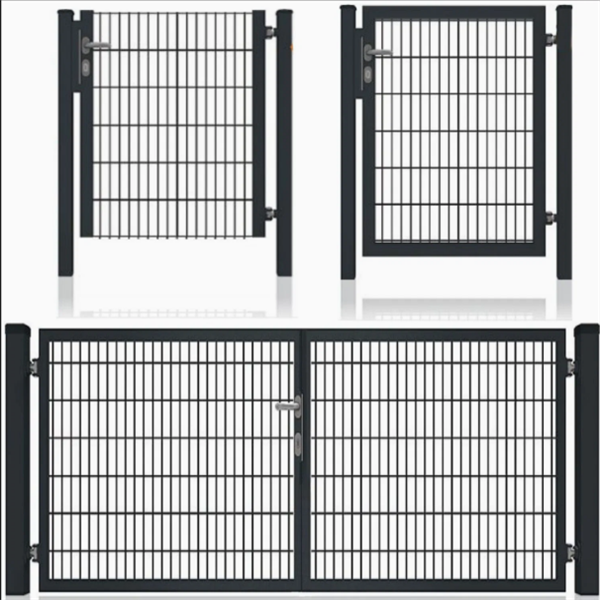
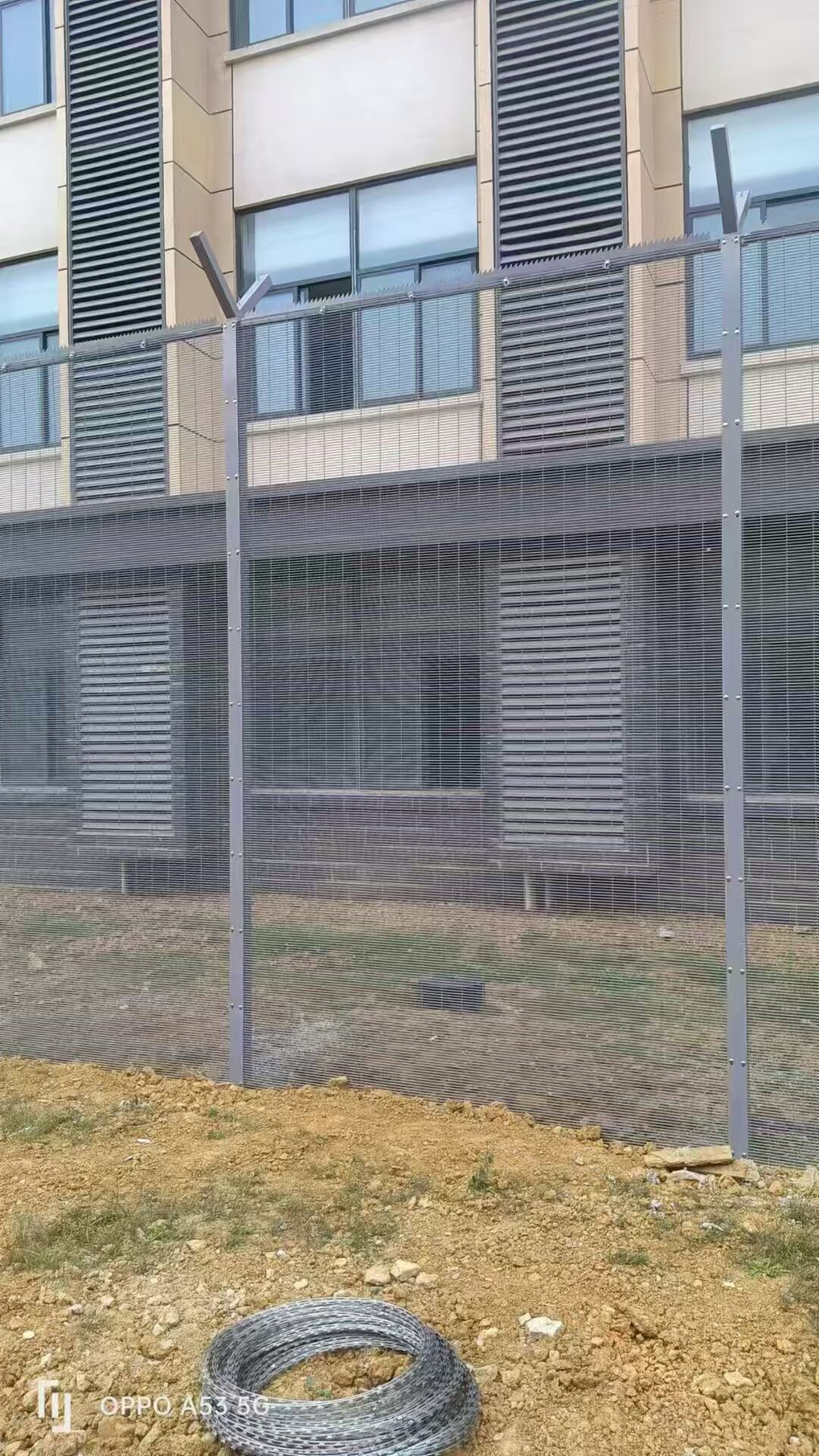
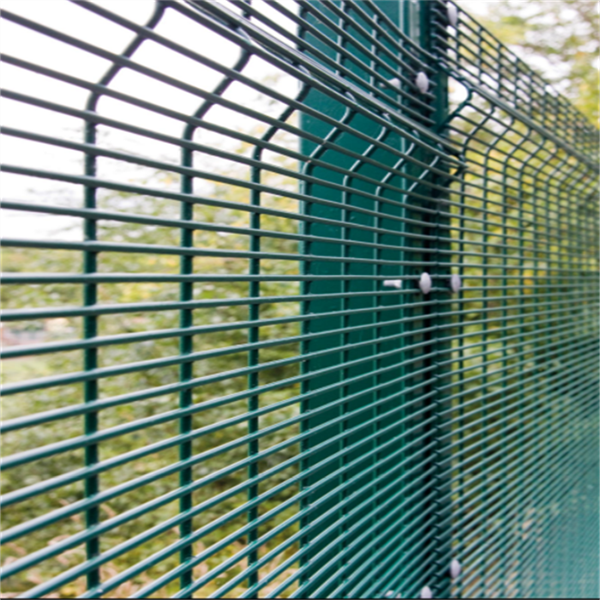
358 Anti Climb Fence constitutes a specialized perimeter security solution characterized by its mathematically optimized aperture configuration - three-inch longitudinal spacing between supporting wires intersected with half-inch vertical gaps creates an impenetrable matrix against human traversal. The nomenclature derives from its dimensional specifications where the primary structural wires maintain 3-inch (76.2mm) center-to-center spacing while the secondary cross wires create 0.5-inch (12.7mm) openings, utilizing 8mm diameter high-tensile steel rods that achieve 550MPa yield strength through cold-rolling processes. This dimensional precision results in Open Area Ratio calculations below 15%, creating psychological and physical deterrence by eliminating visible handhold opportunities while maintaining adequate transparency for surveillance camera sightlines. Manufacturing protocols involve robotic welding cells applying 12kA current at 2.3-second duration per intersection, creating fusion zones with shear strength ratings of 45kN per weld point as certified under EN ISO 14385 standards. Surface treatment sequences begin with alkaline degreasing followed by hydrochloric acid pickling, then flux immersion prior to hot-dip galvanizing in zinc baths maintained at 450°C, achieving minimum coating thickness of 85μm across all surfaces including weld junctions. Advanced installations incorporate duplex protection systems combining zinc metallization with epoxy-polyester hybrid powder coatings applied electrostatically at 60-80μm thickness, tested to 3,000 hours salt spray resistance according to ASTM B117 protocols. The system's structural integrity derives from its continuous panel design where each 2.4m × 3m section withstands distributed loads of 2.5kN/m² and point impacts of 250J without permanent deformation, as validated by CPNI impact testing methodologies. Custom engineering adaptations include curved panels for compound perimeter alignment, galvanized steel frame reinforcements for high-wind regions (tested to withstand 150km/h winds), and various mounting options from concrete-embedded posts to base plate fixed systems for paved surfaces. In transportation infrastructure applications, the fence demonstrates exceptional performance when deployed along railway corridors where its combination of visibility and security prevents trespassing while allowing train operators clear sightlines - Network Rail implementations showed 94% reduction in unauthorized access incidents within six months of installation. The pharmaceutical industry extensively utilizes 358 mesh for research facility perimeters where its non-climbable characteristics protect intellectual property while permitting natural surveillance, with particular effectiveness when combined with microwave detection systems that generate minimal false alarms due to the fence's vibration damping properties. Military installations employ specialized versions with tamper-resistant fastener systems and anti-tunnel skirts extending 1.2m below grade, complemented by thermal imaging integration that creates comprehensive perimeter protection zones. Architectural integration challenges are addressed through color-matching capabilities (RAL palette availability) and various transparency options including decorative elements that maintain security ratings while enhancing aesthetic appeal. For current technical data sheets and project-specific configuration guidance for 358 Anti Climb Fence systems, our engineering department remains available for detailed consultations and threat-based design recommendations.