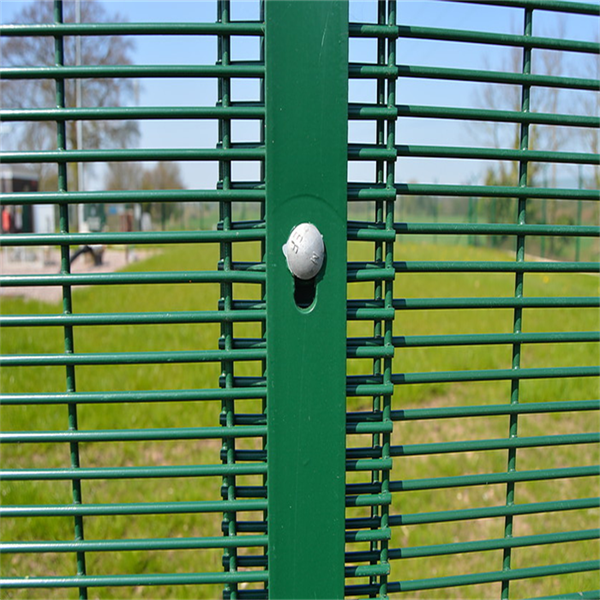
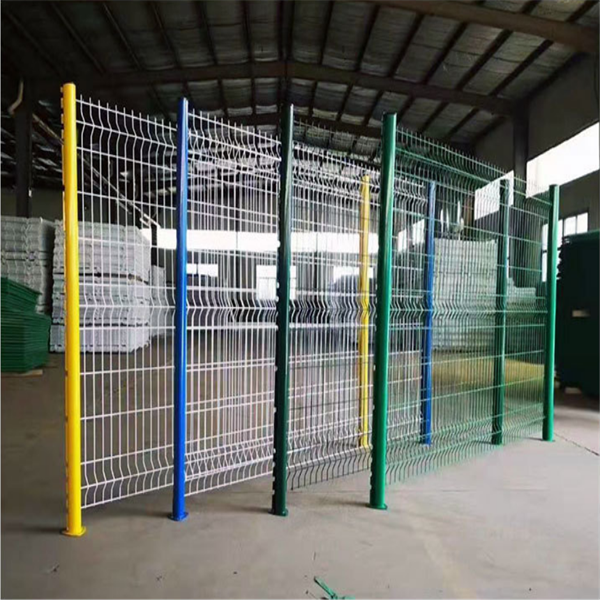
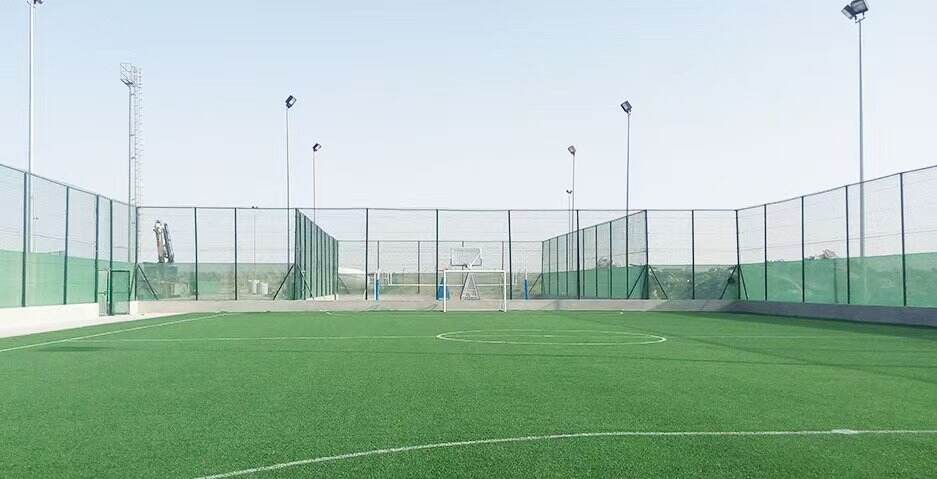
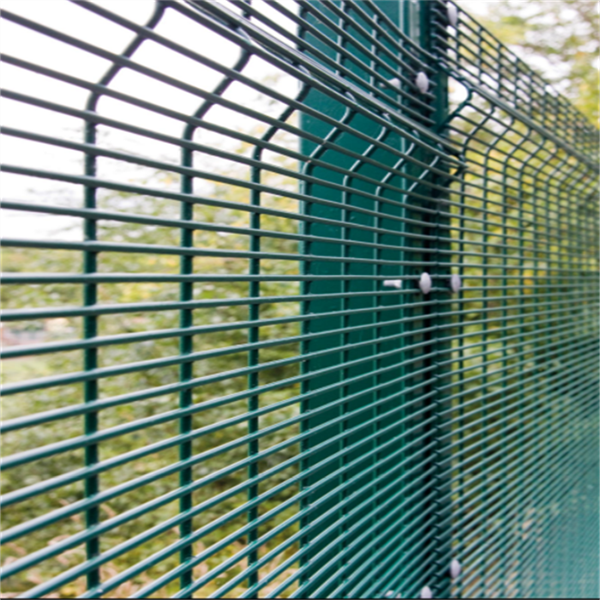
358 Anti Climb Fence embodies the convergence of materials science and security engineering through its meticulously calibrated dimensions that create an optimal balance between physical barrier performance and visual permeability. The system's security efficacy derives from its mathematically precise aperture ratio of 1:6 between vertical and horizontal dimensions, creating a grid pattern that defeats standard climbing techniques while maintaining 82% open area for surveillance and ventilation. Industrial manufacturing processes begin with steel wire production in electric arc furnaces using iron ore with controlled phosphorus content below 0.03% to ensure weld integrity, followed by multi-stage drawing through tungsten carbide dies that achieve diameter tolerance of ±0.05mm. Automated production cells feature computer-controlled resistance welding equipment applying 420V at 12kA current with silver-tungsten electrodes that maintain contact pressure of 5.2kN, creating nugget diameters of 6.5mm that undergo ultrasonic testing to verify internal soundness. Corrosion protection systems employ innovative triple-layer technology including zinc-iron alloy coating (8-12% Fe content) applied through continuous hot-dip process to 75μm thickness, intermediate epoxy primer with 25μm dry film thickness, and final fluoropolymer topcoat providing 20-year color retention in UV-intensive environments. The fencing system achieves independent certification including CPNI Impact Rating Class 4 for manual attack resistance, ISO 14001 environmental management certification for manufacturing processes, and OHSAS 18001 compliance for workplace safety standards. Transportation infrastructure applications demonstrate exceptional performance when deployed along high-speed rail corridors where the fence's aerodynamic profile minimizes wind drag while providing animal intrusion prevention, with documented cases showing elimination of track incursions along problematic sections. Industrial facility implementations include chemical plant perimeters where the fence's corrosion resistance and non-sparking characteristics meet safety requirements while providing access control, with particular effectiveness when integrated with thermal imaging cameras that benefit from the mesh's minimal thermal obstruction. Custom engineering capabilities include development of extra-height versions for specialized applications (up to 8m height), curved panels for compound perimeter alignment, and various mounting options including concrete-embedded posts for permanent installations or bolt-down systems for temporary security needs. Technical consultation services include computational modeling for wind load analysis, security risk assessment for threat level determination, and integration planning with electronic detection systems. For comprehensive technical specifications and project-specific pricing information regarding our 358 Anti Climb Fence solutions, please contact our security engineering department for detailed consultation and site assessment services.