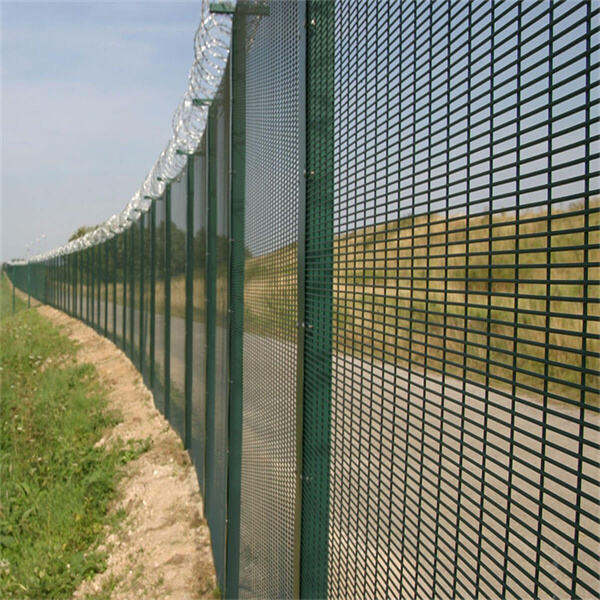
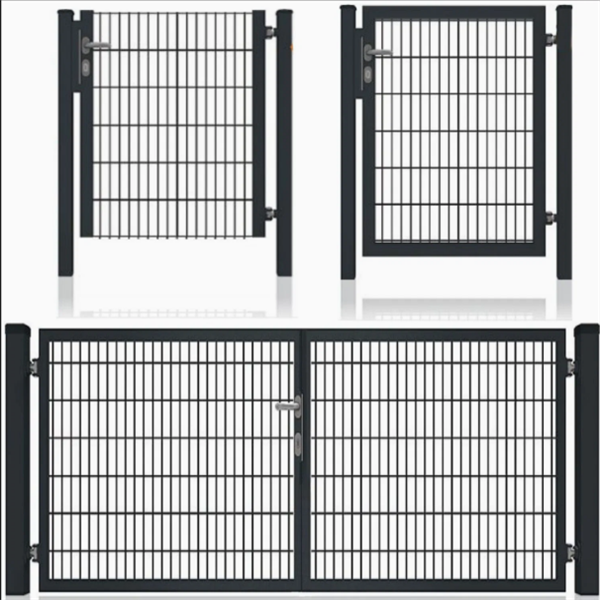
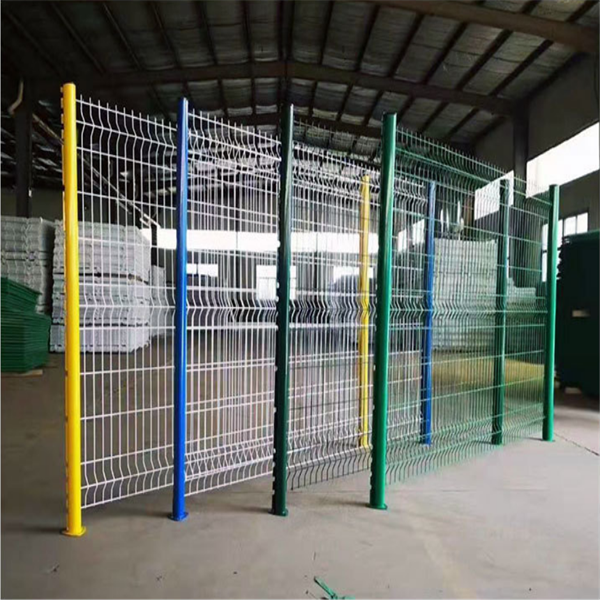
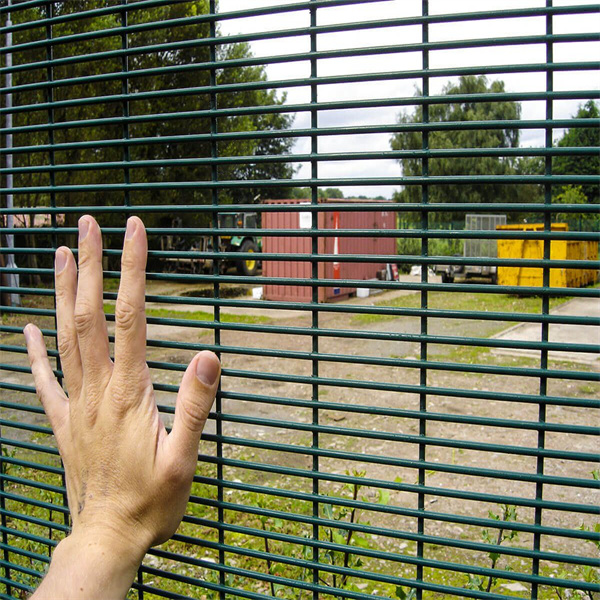
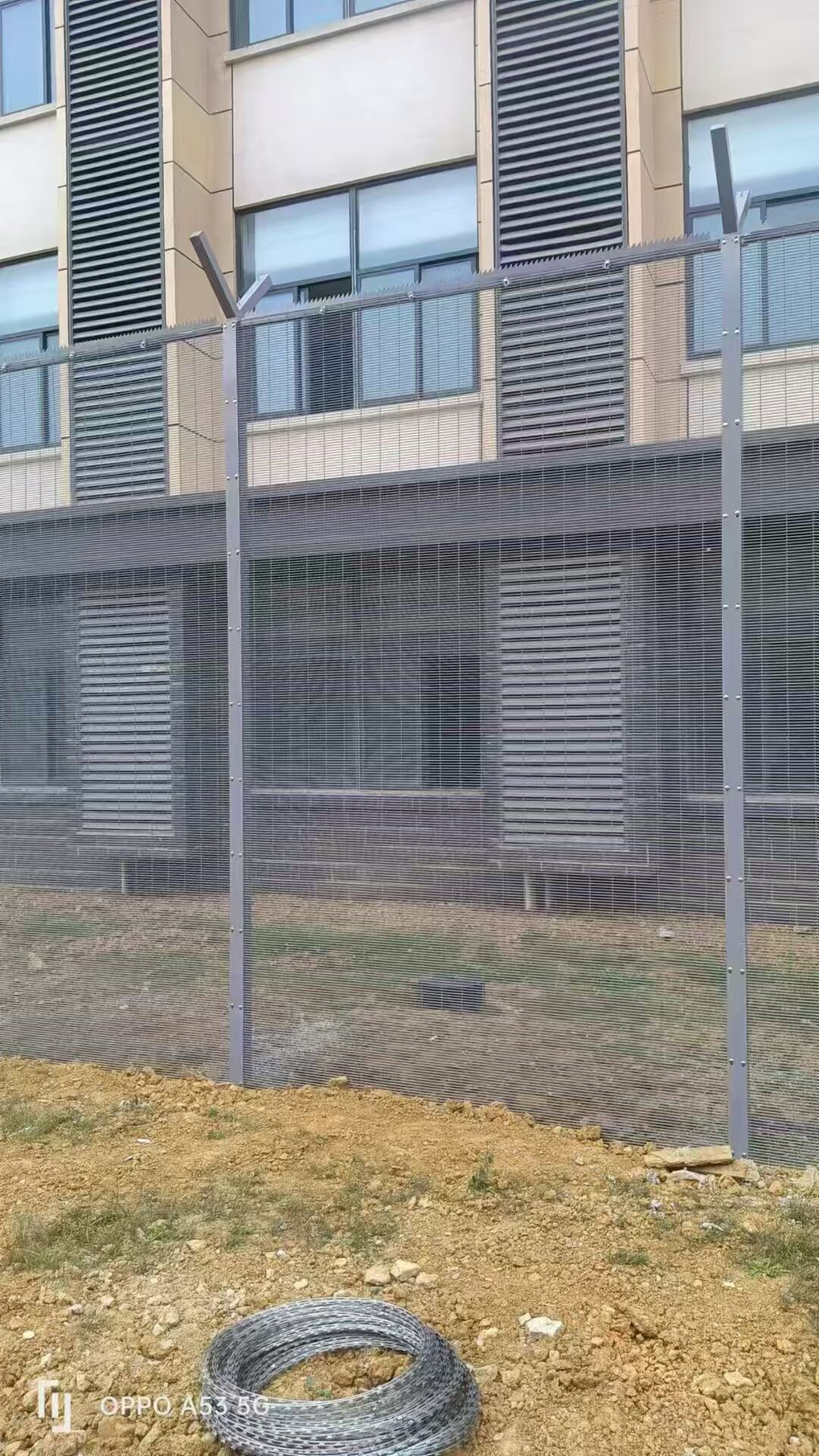
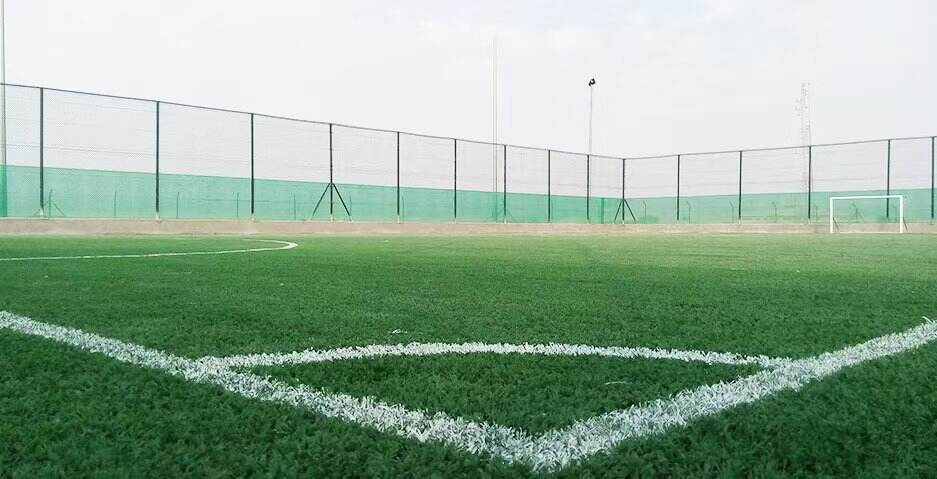
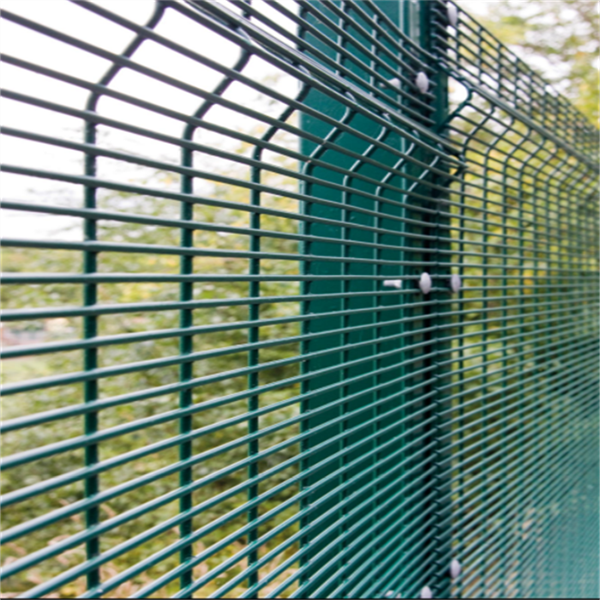
358 Anti Climb Fence represents technological evolution in perimeter security through its optimized balance of physical barrier performance and situational awareness preservation. The system's dimensional parameters create what security experts term "biomechanical defeat" - the 12.7mm aperture size exceeds the maximum finger pressure point requirement of 9mm while remaining below the minimum toehold dimension of 15mm, making sustained climbing physically impossible. Manufacturing quality begins with steel wire production in ISO 9001 certified facilities where continuous casting billets undergo controlled cooling before precision drawing to achieve surface roughness below Ra 1.6μm, crucial for consistent coating adhesion. The production line incorporates real-time monitoring of welding parameters including voltage stability within ±2%, electrode force maintained at 4.5kN ±0.3kN, and weld time controlled to 3.0 seconds ±0.1s, ensuring consistent heat input of 12.5kJ per weld intersection. Corrosion protection exceeds standard requirements through application of zinc-titanium alloy coatings (0.2% Ti content) that demonstrate 40% improved corrosion resistance in marine environments compared to conventional galvanizing, validated through 4000-hour salt spray testing per ASTM B117 standards. The fence system achieves certified performance ratings including IWA 14-1 impact resistance for vehicle barriers when installed with reinforced posts, and SB4 security rating under CEN/TS 14383-3 for delayed entry exceeding 3 minutes against determined attackers. Practical applications demonstrate exceptional performance in utility substations where the fence provides physical security while maintaining necessary ventilation for equipment cooling, with documented cases showing prevention of copper theft attempts that had previously plagued facilities with chain link fencing. Correctional facility implementations utilize the system for recreational yard enclosures where its transparency allows guard observation while preventing contraband throwing, with impact resistance sufficient to withstand deliberate attacks using improvised weapons. Custom engineering solutions include development of radiation-shielded versions for nuclear facilities using lead-core wires, blast-resistant configurations for military applications, and architecturally integrated designs for historic preservation districts. Technical support includes computational fluid dynamics modeling for wind load optimization, finite element analysis for impact resistance verification, and site-specific security audits recommending appropriate integration with electronic detection systems. For complete technical documentation and performance certification details regarding our 358 Anti Climb Fence products, please initiate a formal inquiry through our technical consultation portal to receive project-specific engineering data.