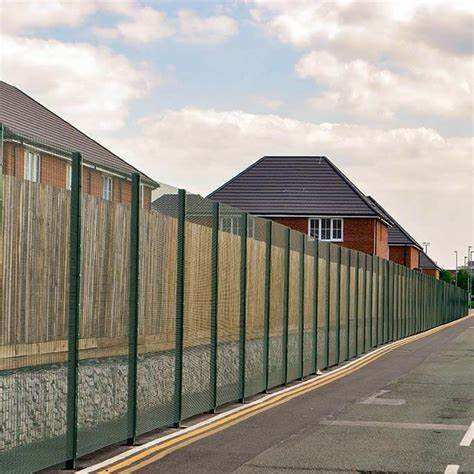
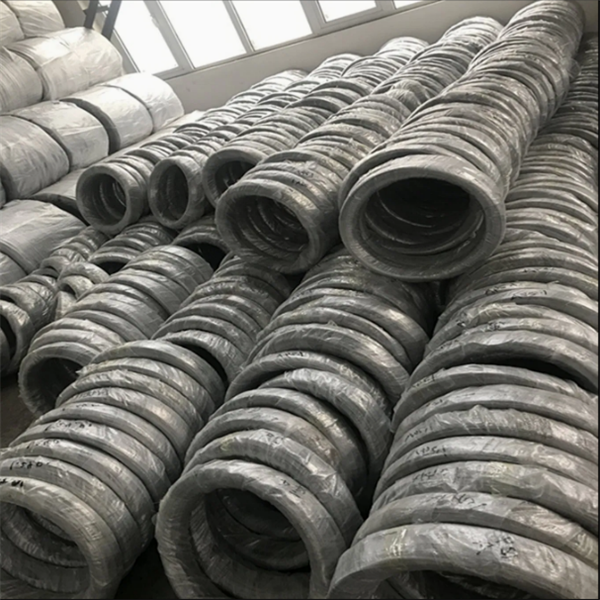
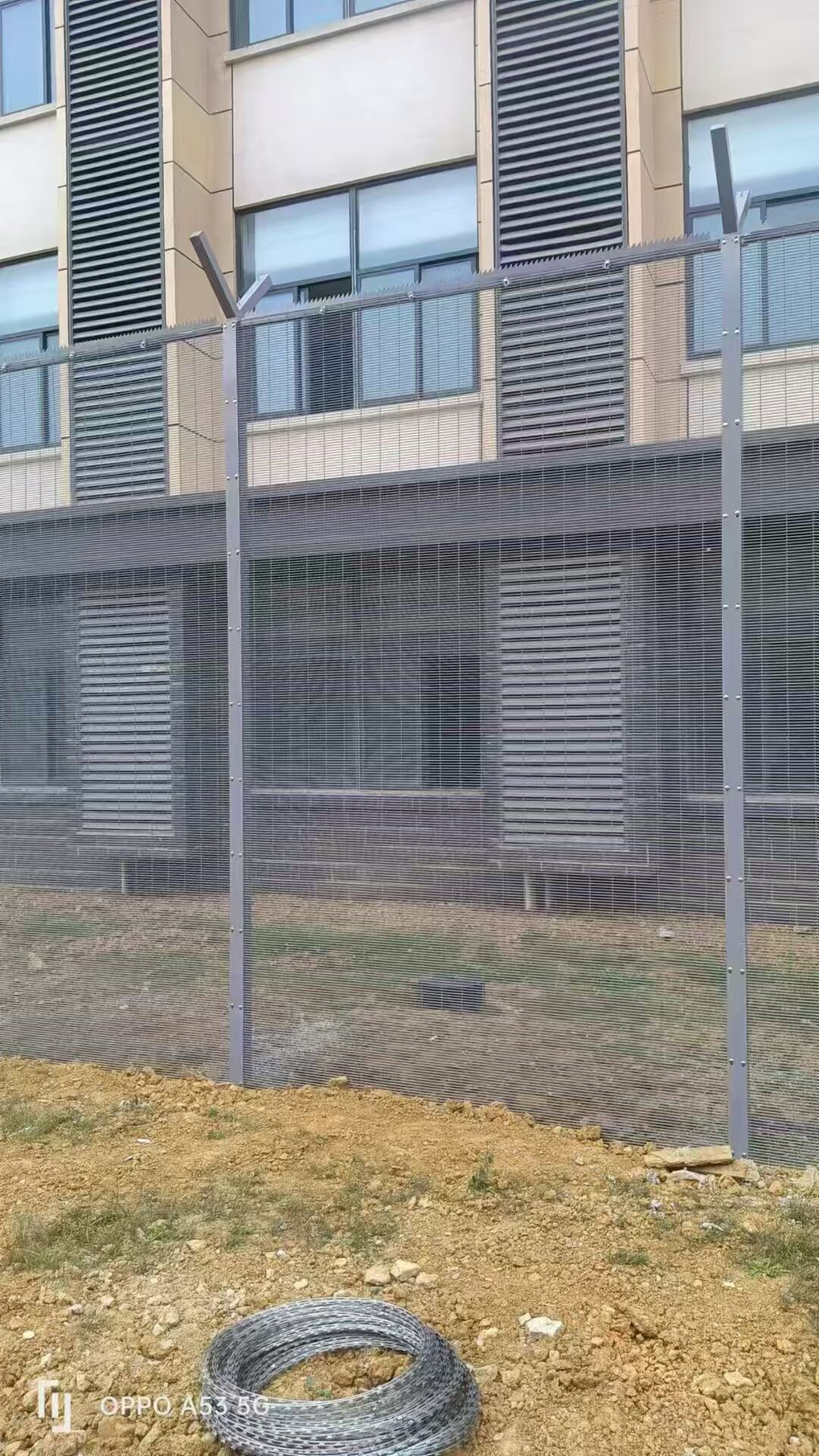
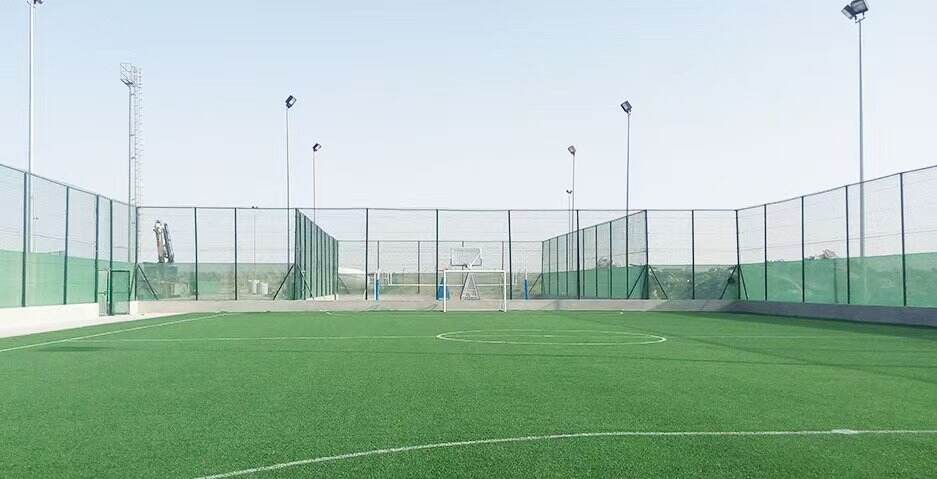
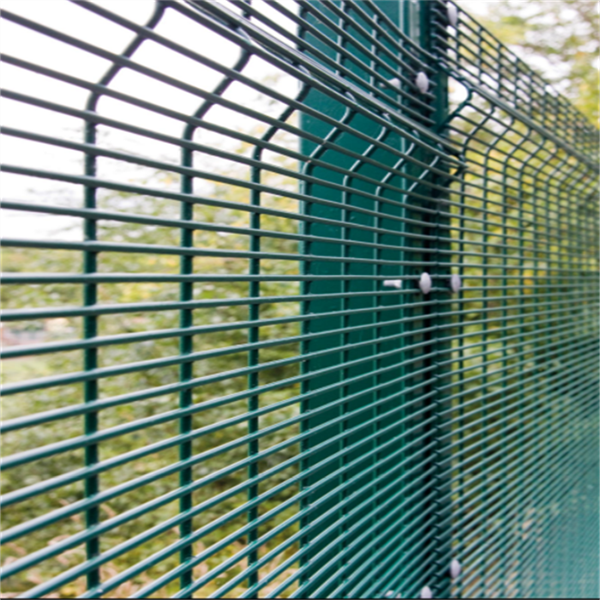
358 Anti Climb Fence stands as engineering excellence in perimeter barrier technology, specifically designed to address vulnerability gaps in conventional fencing systems through its millimeter-precise aperture configuration. The security geometry utilizes triangular stability principles where the 76.2mm horizontal spacing between 8mm diameter vertical wires creates structural rigidity exceeding 280MPa yield strength, while the 12.7mm vertical openings eliminate potential grip points for climbers. Production methodology incorporates blockchain-tracked raw materials from certified steel mills, with each coil receiving ultrasonic thickness verification before entering the drawing process that reduces wire diameter through 15 successive dies with intermediate annealing at 450°C. Welding precision achieves exceptional consistency through vision-system monitored robotic cells that maintain electrode alignment within 0.2mm tolerance, producing weld nuggets with cross-sectional area of 48mm² that undergo 100% non-destructive testing via eddy current inspection. Surface preparation involves nine-stage pretreatment including cathodic electrocoating followed by hot-dip galvanizing in zinc-aluminum alloy baths (5% Al composition) that provide sacrificial protection reaching 100μm coating thickness. Security performance metrics include successful testing against Category III tools per ASTM F2656 standard, demonstrating resistance to attacks using 36-inch leverage tools for continuous 10-minute durations without creating man-passable openings. The system finds extensive application in government facilities where its combination of physical security and visual transparency meets requirements for protected perimeters without creating prison-like appearances, with particular effectiveness when integrated with ground-based radar systems that benefit from the fence's minimal radar cross-section. Commercial implementations include data center campuses where the fencing provides initial security layer while permitting airflow for cooling systems, with documented case studies showing 40% reduction in false alarms from perimeter intrusion detection systems compared to solid barriers. Technical innovations include development of stainless steel variants for coastal environments (316L grade with 2.5% molybdenum content), aluminum versions for non-magnetic applications, and composite materials for chemically aggressive environments. Installation engineering accounts for site-specific factors including wind load calculations per ASCE 7-16 standards, frost depth considerations for foundation design, and seismic zone requirements for dynamic loading. For detailed information regarding technical certifications and application-specific design considerations for 358 Anti Climb Fence systems, our engineering support team provides comprehensive consultation services and project-specific performance data.